Did you know that a 2023 consumer poll found 68% of people who color their hair at home are disappointed with the final shade? The good news is that the right kit and a solid technique can turn that disappointment into salon‑level confidence—all without stepping out the front door.
In This Article
- What You Will Need (Before You Start)
- Step 1: Pick Your Desired Shade
- Step 2: Prepare Your Hair
- Step 3: Mix the Dye
- Step 4: Apply the Color
- Step 5: Let the Color Process
- Step 6: Rinse, Shampoo, and Condition
- Step 7: Aftercare for Long‑Lasting Color
- Common Mistakes to Avoid
- Troubleshooting & Tips for Best Results
- Summary Conclusion
- Frequently Asked Questions
What You Will Need (Before You Start)
- Hair dye kit – Choose from the best at home hair dye brands like L’Oréal Paris Excellence Creme ($12.99, 2‑pack), Garnier Nutrisse Ultra Color ($8.99, 1‑L), or the premium Madison Reed Radiant Hair Color ($45‑$55 per box).
- Gloves – Disposable nitrile gloves protect your hands; a box of 100 costs about $6.
- Applicator brush & mixing bowl – Most kits include these, but a separate bowl ($3) helps avoid cross‑contamination.
- Timer or smartphone alarm – Precise processing times (usually 30–45 minutes) are crucial.
- Shampoo & conditioner – Use a color‑safe shampoo (e.g., Pureology Hydrate) and a deep‑conditioning mask (e.g., Olaplex No. 5, $28).
- Wide‑tooth comb – For even distribution.
- Old towel & cape – To keep bleach or dye off your clothes.
Having everything laid out before you start cuts down on stress and helps you follow the steps methodically.
Step 1: Pick Your Desired Shade
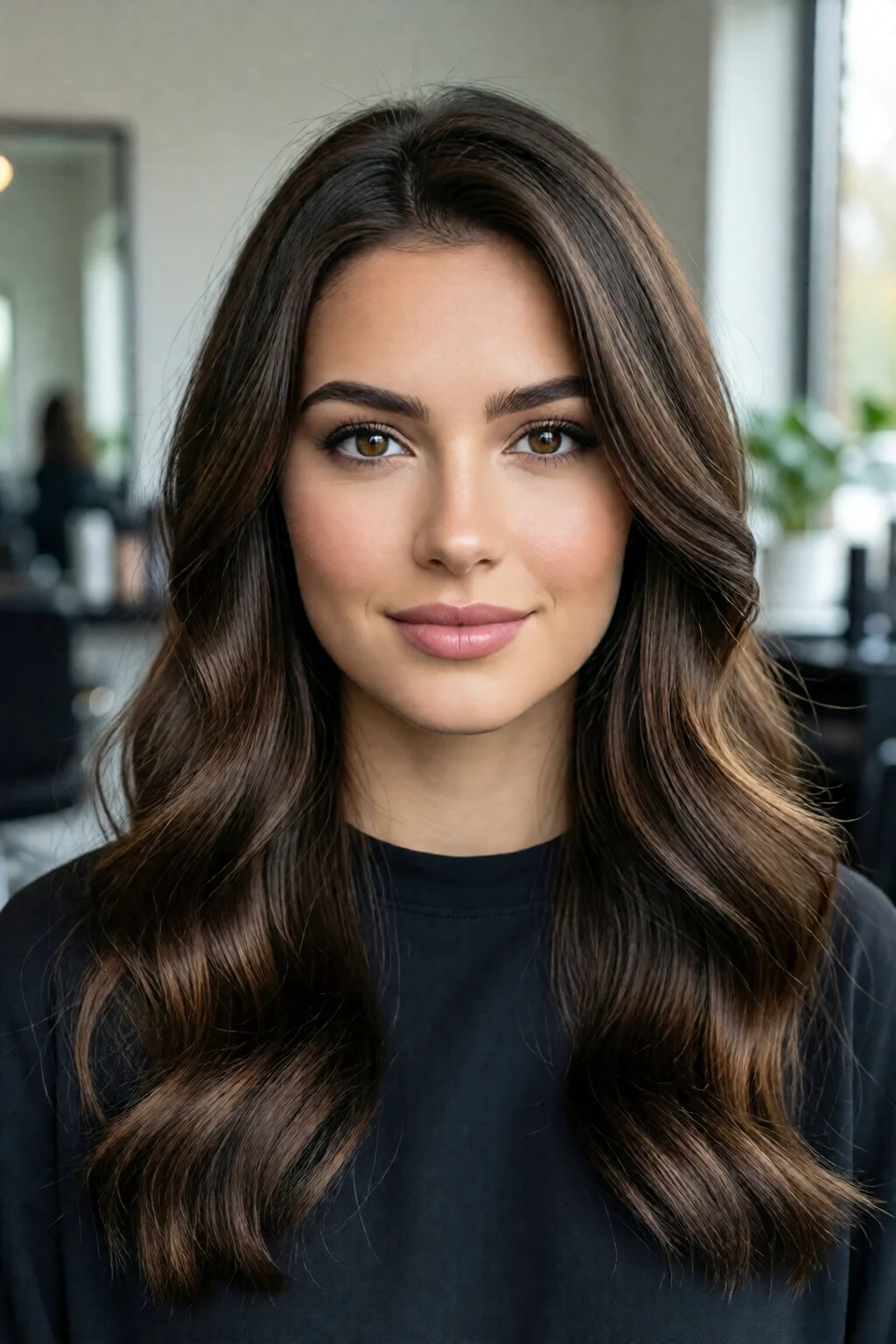
First, decide the level of change you want. A shift of 1‑2 levels (e.g., from dark brown to medium brown) is safest for at‑home work. If you’re chasing a bold fashion hue, Arctic Fox (prices $13‑$15) offers vibrant, ammonia‑free colors that hold well on pre‑lightened hair.
In my experience, matching the undertone (warm, cool, or neutral) to your natural hair prevents unwanted brassiness. Use the shade chart on the box, then compare it to a photo of the color you like—online or in a salon magazine.
Step 2: Prepare Your Hair
Hair should be clean but not freshly washed; natural oils protect the scalp. I recommend washing 24 hours before dyeing with a gentle sulfate‑free shampoo. If your hair is damaged, apply a protein treatment (e.g., Redken Extreme) a week prior to boost resilience.
Brush out tangles, then section your hair into four quadrants using rubber bands. This makes application smoother and reduces the chance of missing spots.
Step 3: Mix the Dye
Follow the kit instructions exactly—most require a 1:1 ratio of color cream to developer. For a 30‑ml bottle of L’Oréal Excellence, you’ll need 30 ml of 20‑volume developer (about 1 oz). Mix in the provided bowl, scraping the sides to ensure a uniform consistency. If you’re using a demi‑permanent shade like Clairol Natural Instincts, the developer is already pre‑mixed, saving a step.
One mistake I see often: over‑mixing. Stir just until the two components blend; too much air introduces bubbles that can cause uneven color.
Step 4: Apply the Color
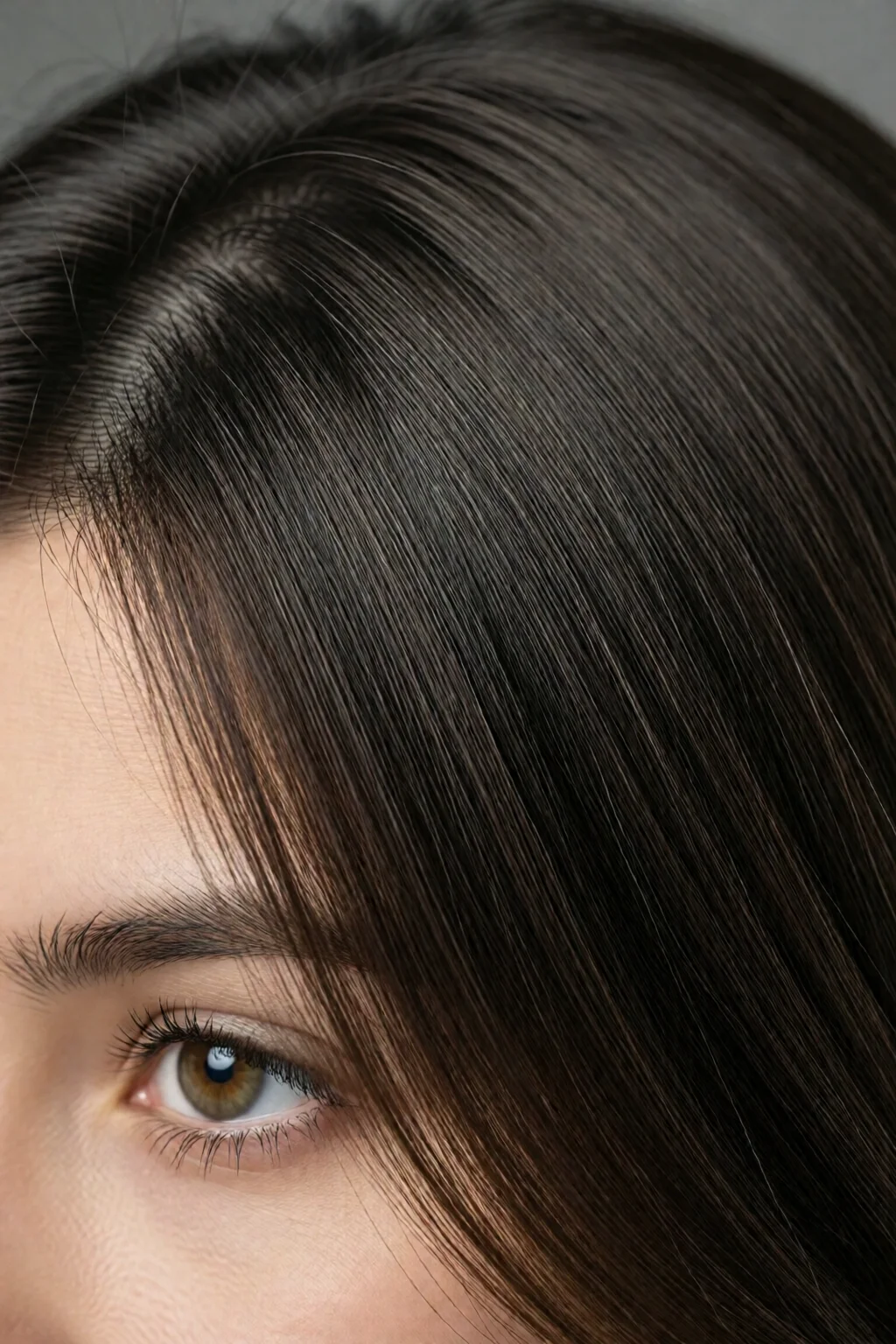
Start at the roots, where the hair is darkest, using the applicator brush. Work your way down each section, ensuring each strand is fully saturated. For a seamless finish, use the “flip‑and‑brush” technique: flip the section away from the scalp, brush the dye through, then flip it back.
If you’re covering gray, apply the dye to the gray strands first; they tend to absorb color faster.
Step 5: Let the Color Process
Set your timer for the recommended time—usually 30 minutes for permanent dyes, 20 minutes for demi‑permanent. Resist the urge to check early; under‑processing yields a muted result, while over‑processing can lead to unevenness or scalp irritation.
During this period, keep the room temperature around 68‑72 °F (20‑22 °C). Extreme heat accelerates the chemical reaction, potentially darkening the shade beyond the intended hue.
Step 6: Rinse, Shampoo, and Condition
When the timer beeps, rinse hair with lukewarm water until the water runs clear—about 5 minutes. Apply a color‑safe shampoo, lather gently, and rinse again. Follow with a deep‑conditioning mask for at least 5 minutes; this seals the cuticle and locks in color.
For added shine, a final rinse with a cool‑water splash helps close the cuticle, preserving vibrancy.
Step 7: Aftercare for Long‑Lasting Color
To keep your hue fresh, wash no more than twice a week with sulfate‑free shampoo. Incorporate a UV‑protectant spray (e.g., Sun Bum Color Protect) if you spend a lot of time outdoors—UV rays can fade color up to 30% faster.
Schedule a monthly deep‑conditioning session with a product like Olaplex No. 3 (about $28) to maintain hair strength, especially after multiple dye cycles.
Common Mistakes to Avoid
- Skipping the strand test – Always test a small patch 48 hours before full application. It reveals unexpected reactions and helps you gauge the final shade.
- Using hot water – Hot water opens the cuticle too much, causing color to leach out faster.
- Applying on dirty hair – Residual oil blocks dye absorption, leading to patchy results.
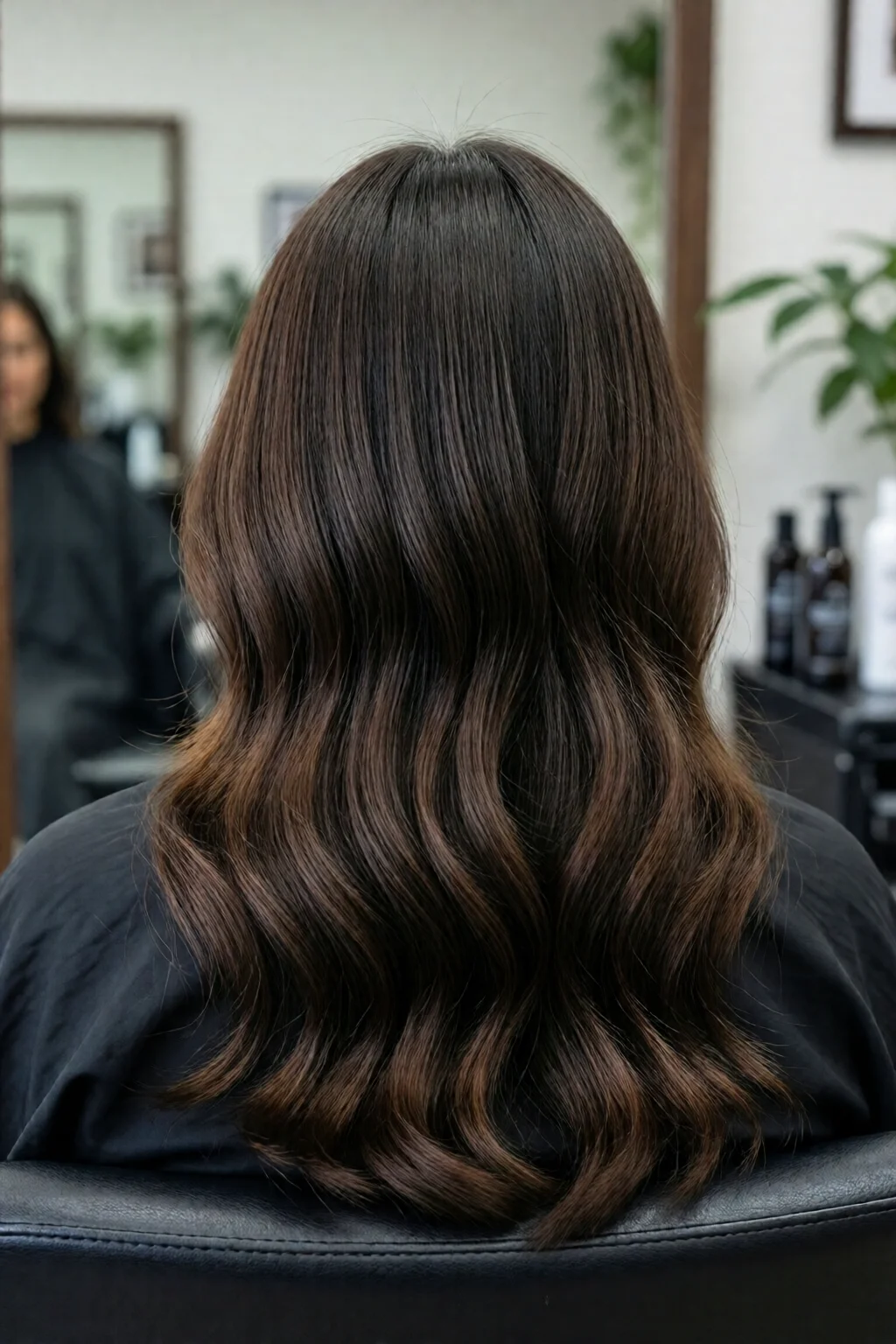
- Exceeding processing time – Over‑processing can turn a soft brown into an unwanted ash tone.
- Not protecting the scalp – Forgetting gloves or a protective barrier cream can cause irritation, especially with high‑volume developers.
Troubleshooting & Tips for Best Results
Color turned out too dark? Mix a small amount of 20‑volume developer with a touch of your favorite conditioner and apply to the over‑toned areas for 5‑10 minutes. Rinse thoroughly.
Uneven patches? Use a clarifying shampoo (e.g., Neutrogena Anti‑Residue) a day before re‑applying to remove buildup, then repeat the dyeing process on the affected sections only.
Fading fast? Incorporate a weekly color‑protecting mask like platinum blonde hair care and maintenance products that contain UV filters and antioxidants.
One tip I swear by: after rinsing, lightly towel‑dry and then apply a leave‑in conditioner with UV protection. It adds a barrier that slows down fading by up to 25%.
Summary Conclusion
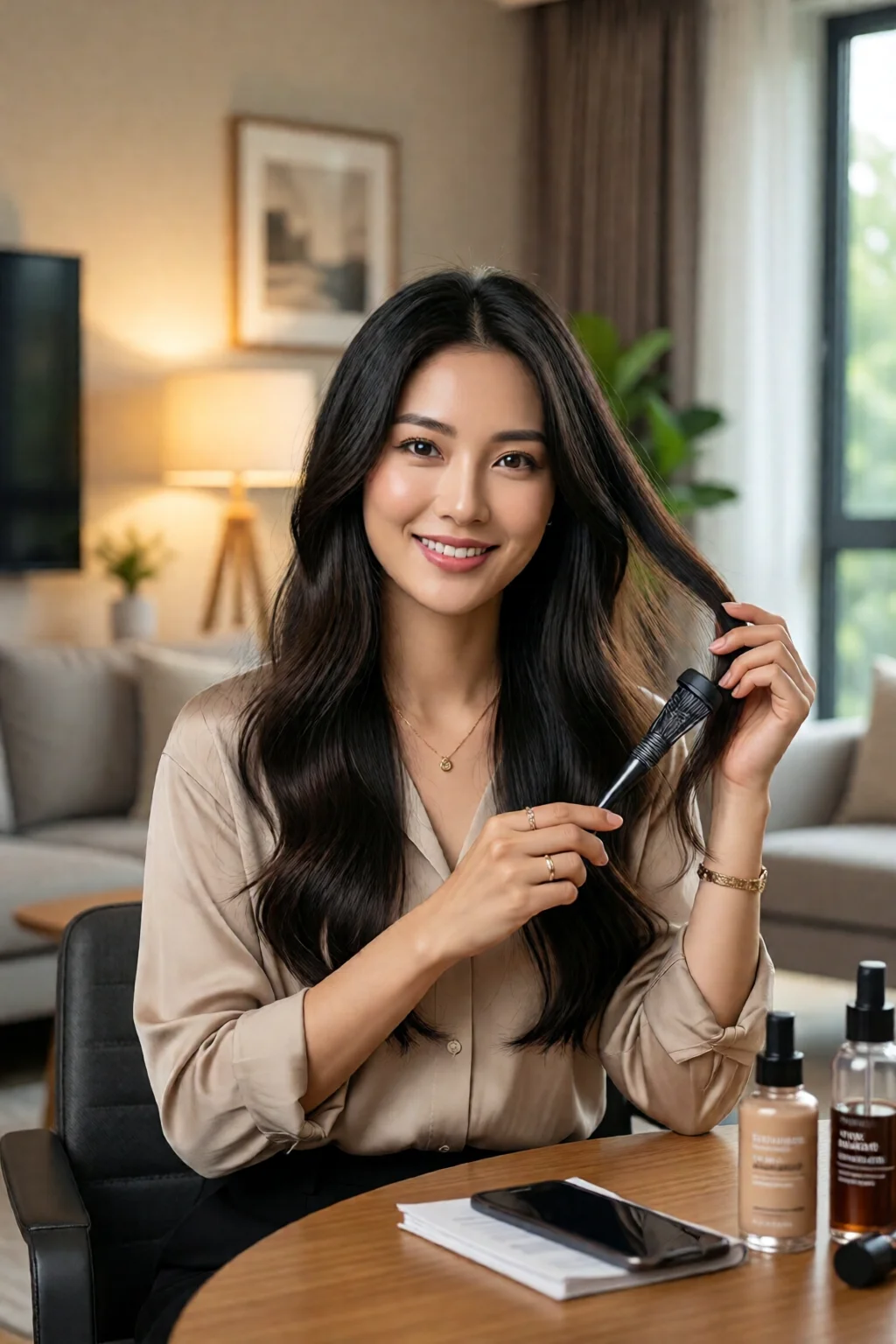
Choosing the best at home hair dye brands, preparing meticulously, and following a proven step‑by‑step routine can give you salon‑worthy results without the price tag. Whether you’re aiming for a subtle refresh or a daring fashion shade, the right kit paired with expert technique ensures vibrant, even color that lasts.
Remember, great color starts with great preparation. Keep your tools clean, protect your scalp, and give your hair the aftercare it deserves. Happy coloring!
Frequently Asked Questions
Which brand offers the most reliable permanent color for at‑home use?
L’Oréal Paris Excellence Creme consistently ranks among the best at home hair dye brands for permanent color, delivering rich, long‑lasting shades for under $13 per kit.
Can I safely dye over gray hair at home?
Yes. Choose a permanent dye with a strong pigment load—such as Garnier Nutrisse or Madison Reed—and apply directly to the gray strands first for full coverage.
How often should I re‑apply color to maintain vibrancy?
For permanent dyes, touch‑up roots every 4‑6 weeks. Demi‑permanent shades typically last 3‑4 weeks before fading.
What’s the best way to avoid brassiness in blonde at‑home dyes?
Select a cool‑toned formula (e.g., L’Oréal Excellence 10‑Cool Blonde) and follow up with a violet‑toning shampoo like natural looking hair color ideas to neutralize yellow tones.
Do I need a professional developer for DIY coloring?
Most at‑home kits include the correct developer strength (usually 20‑volume). Using a higher‑volume developer can cause over‑processing and damage.
3 commentaires sur « How to Best At Home Hair Dye Brands (Expert Tips) »