Ever stared at a hair color swatch and wondered whether a warm copper or a cool ash would flatter you more? The answer lies in the subtle dance between your skin’s undertone, your natural hair level, and the pigments you choose. This warm vs cool hair color tones guide breaks down the science, the style, and the step‑by‑step process so you can pick a shade that feels like it was made just for you.
In This Article
- 1. Diagnose Your Skin’s Undertone (The Foundation of Every Color Choice)
- 2. Assess Your Natural Hair Level (How Light or Dark Is Your Base?)
- 3. Choosing a Warm Tone: When to Go Golden, Copper, or Red
- 4. Choosing a Cool Tone: The Power of Ash, Platinum, and Blue‑Black
- 5. Transitioning Between Warm and Cool: The Bridge Technique
- 6. Best Products for Warm Tone Maintenance (Keep the Glow Alive)
- 7. Best Products for Cool Tone Maintenance (Stay Frosty)
- 8. Frequently Overlooked Factors: Porosity, Texture, and Lifestyle
- HTML Comparison Table: Warm vs Cool Color Kits at a Glance
- Final Verdict: Which Tone Wins for You?
Understanding the difference isn’t just about looking good in the salon; it’s about minimizing damage, extending the life of your color, and saving money. Below you’ll find a practical, expert‑backed list that walks you through every decision point—from diagnosing your undertone to selecting the best products for upkeep.
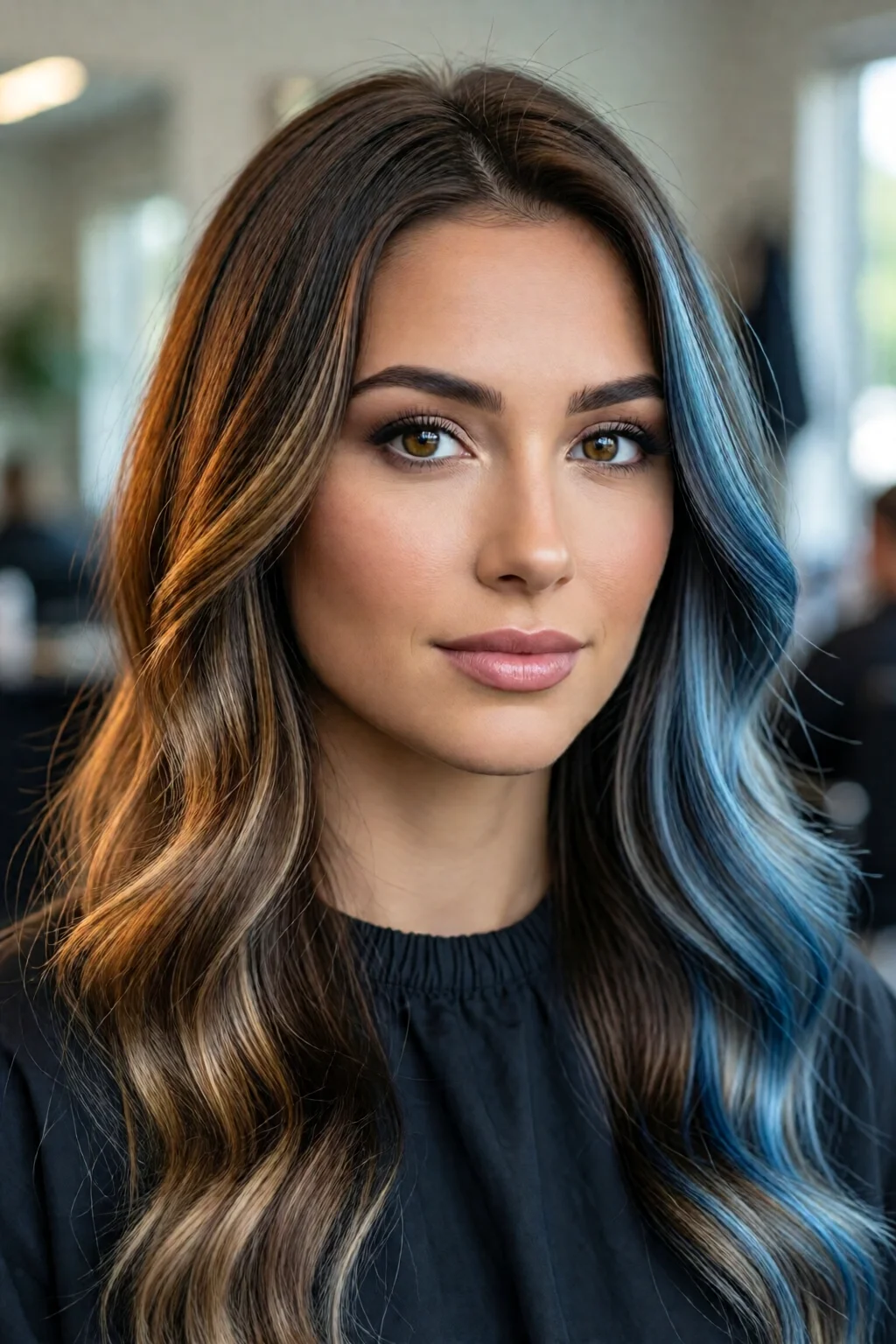
1. Diagnose Your Skin’s Undertone (The Foundation of Every Color Choice)
Warm vs cool hair color decisions start with your skin. Warm undertones have golden, peach, or olive hints, while cool undertones lean toward pink, red, or bluish hues. Here’s how to pinpoint yours in under a minute:
- Vein Test: Look at the veins on the inside of your wrist. Green suggests warm; blue or purple points to cool.
- Jewelry Test: Gold jewelry flatters warm skin; silver shines on cool skin.
- White Paper Test: Hold a plain white sheet next to your face in natural light. If your skin looks more yellow, you’re warm; if it appears pinkish, you’re cool.
In my experience, clients who skip this step end up with a color that “looks off” after a few weeks, even if the shade initially seemed perfect.
Pro tip: If you’re truly neutral (both gold and silver look good), you have the flexibility to rock either warm or cool tones—just consider the vibe you want for the season.
2. Assess Your Natural Hair Level (How Light or Dark Is Your Base?)
Hair color levels range from 1 (black) to 10 (platinum). Knowing your level helps you predict how a pigment will appear. For example, a cool ash blonde on a level 4 (dark brown) base will look muddy, while a warm golden caramel on a level 7 (light brown) will pop.
To test your level at home:
- Pull a small strand from the underside of your head.
- Place it on a white towel under bright daylight.
- Match its shade to a standard level chart (most found on L’Oréal or Wella websites).
One mistake I see often is attempting a level 9 platinum on a level 5 natural without pre‑lightening, leading to brassy fallout.
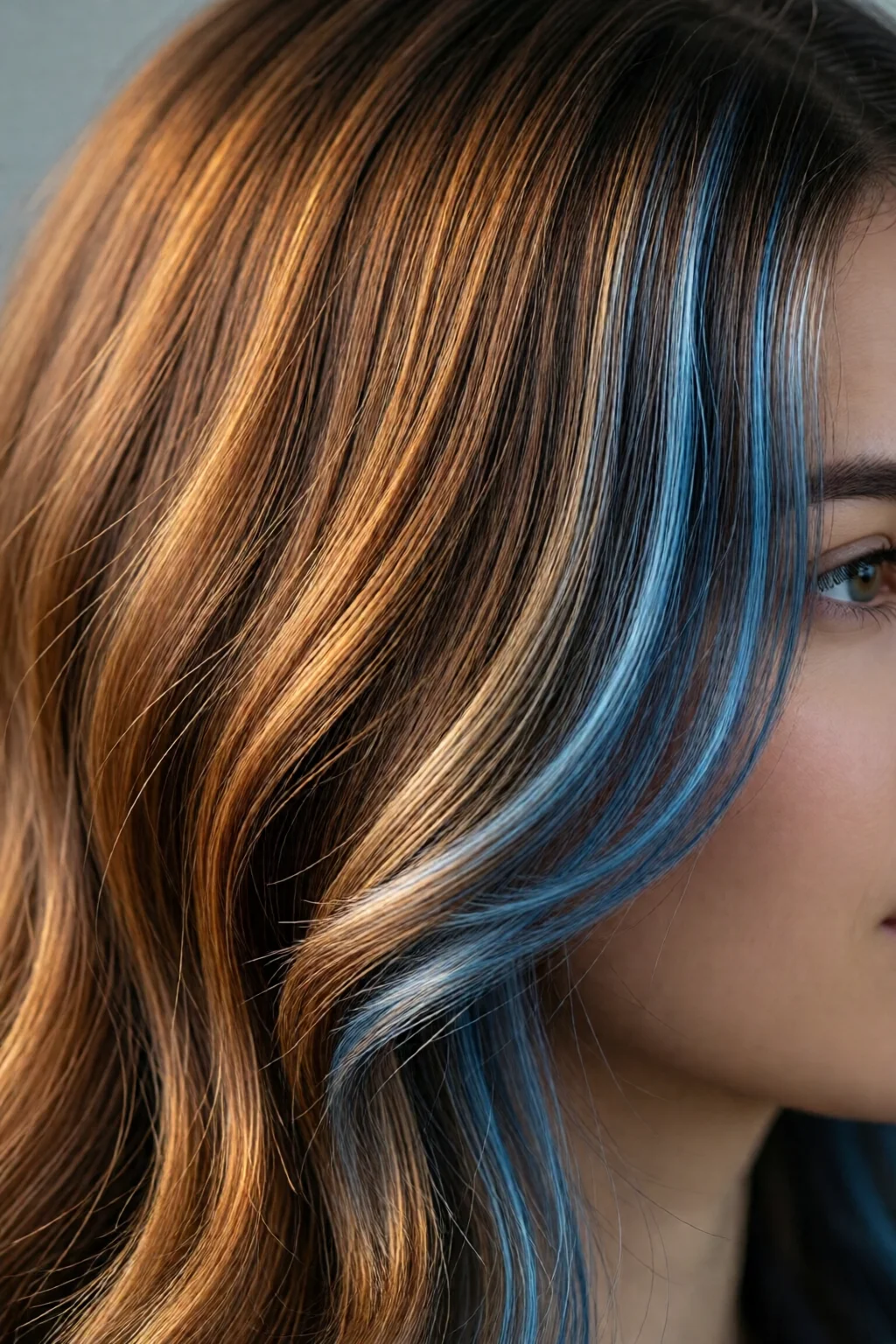
3. Choosing a Warm Tone: When to Go Golden, Copper, or Red
Warm tones add richness and depth. They’re ideal for:
- Skin with golden or olive undertones.
- Clients wanting a sun‑kissed, “just‑back‑from‑the‑beach” look.
- Those who love low‑maintenance colors—warm tones tend to fade into softer shades rather than turning brassy.
Top Warm Picks:
| Product | Price | Level Range | Pros | Cons | Rating |
|---|---|---|---|---|---|
| L’Oréal Paris Colorista Warm Copper (30 ml) | $12.99 | 5‑8 | Vivid copper, easy at‑home application | May oxidize quickly on darker bases | 4.2/5 |
| Wella Koleston Perfect Warm Gold (50 ml) | $23.50 | 3‑9 | Long‑lasting, excellent gray coverage | Requires developer mix (20 vol.) | 4.5/5 |
| Redken Shades EQ Warm Auburn (35 ml) | $19.95 | 4‑8 | Semi‑permanent, no ammonia, soft finish | Fades in 6‑8 weeks | 4.0/5 |
Warm tones pair beautifully with caramel highlights or honey balayage for dimension. Check out face framing highlights ideas for inspiration.
4. Choosing a Cool Tone: The Power of Ash, Platinum, and Blue‑Black
Cool tones create a sleek, modern vibe. They work best when:
- Your skin leans pink, red, or blue.
- You’re aiming for a high‑contrast, editorial look.
- You don’t mind occasional toning sessions to keep brass at bay.
Top Cool Picks:
| Product | Price | Level Range | Pros | Cons | Rating |
|---|---|---|---|---|---|
| Schwarzkopf Igora Royal Cool Ash Blonde (30 ml) | $14.50 | 6‑9 | True ash finish, minimal brass | Requires 30 vol. developer for lift | 4.3/5 |
| Manic Panic Ultra Violet (5 ml) | $13.00 | 4‑7 (semi‑permanent) | Bold violet‑cool tone, vegan | Fades quicker on dark hair | 4.1/5 |
| Joico Vero K-Pak Cool Platinum (50 ml) | $27.99 | 8‑10 | Excellent for high‑level lifts, smooth finish | Higher price point | 4.6/5 |
For a flawless cool blonde, read our platinum blonde hair care and maintenance guide.
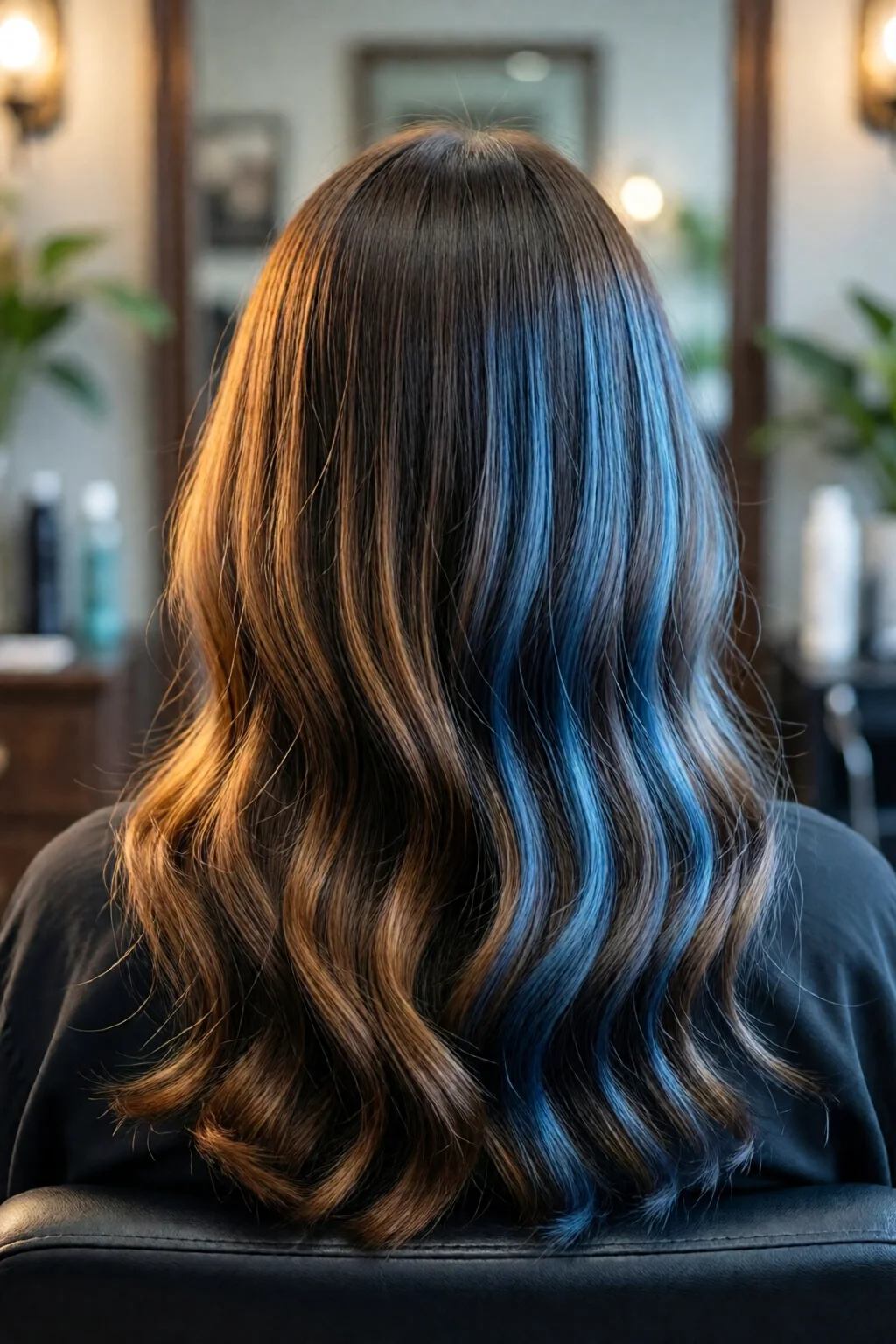
5. Transitioning Between Warm and Cool: The Bridge Technique
Switching from a warm caramel to an icy ash isn’t a simple “wash‑and‑go.” Here’s a proven roadmap:
- Neutralize Warm Pigments: Use a 10‑volume purple shampoo twice a week for a month to mute brass.
- Apply a Color‑Corrector: A demi‑permanent ash toner (e.g., Matrix Color Sync Cool) applied for 15‑20 minutes can lift residual warmth.
- Lift & Tone Simultaneously: For dramatic changes, opt for a two‑step process—first a 20‑vol. lift to a level 9, then a cool toner.
- Deep Condition: After any chemical process, use a protein‑rich mask like Olaplex No.3 ($28, 100 ml) for 10 minutes to restore bond strength.
One mistake I spot often: clients try a direct ash toner on a deep copper base, ending up with a muddy gray. Patience and proper neutralization are key.
6. Best Products for Warm Tone Maintenance (Keep the Glow Alive)
Warm shades fade faster in cooler climates. Keep them vibrant with these staples:
- Purple + Gold Shampoo: Pureology Hydrate Shine (8 oz, $27) blends violet and golden pigments for dual action.
- Gloss Treatment: Redken Shades EQ Gloss (30 ml, $15) adds a glossy finish every 4‑6 weeks.
- Heat Protectant: ghd Heat Protect Spray (150 ml, $22) prevents oxidation from styling tools.
For a quick boost, a one‑minute gloss from L’Oréal Professionnel Serie Expert Vitamino Color costs $13 per 30 ml bottle and adds a warm sheen without further chemical processing.
7. Best Products for Cool Tone Maintenance (Stay Frosty)
Cool tones demand regular toning to avoid brass. Here’s the go‑to kit:
- Purple Shampoo: Clairol Shimmer Lights (8 oz, $9.99) – use twice weekly.
- Blue Shampoo (for orange brass): Joico Color Balance Blue (8 oz, $12).
- Cool Gloss: Schwarzkopf Professional BlondMe Gloss (30 ml, $16) – apply after each wash for a subtle ash sheen.
- UV Protectant Spray: Sun Bum 3 in 1 Leave‑In (100 ml, $14) – shields against sun‑induced fading.
Remember, a weekly toning session with Wella Color Touch Cool (20 ml, $11) can extend the life of your ash blonde by up to 30%.
8. Frequently Overlooked Factors: Porosity, Texture, and Lifestyle
Even the perfect shade can misbehave if you ignore hair porosity. Conduct a quick hair porosity test and care guide:
- Low Porosity: Color stays longer but may appear dull; use a light oil (e.g., argan) to open cuticles before applying.
- High Porosity: Color fades fast; opt for a protein treatment (e.g., ApHogee Two-Step Protein Treatment, $24) before coloring.
Texture matters too—curly hair often shows less brassy fallout than straight hair. Adjust your product amounts accordingly (e.g., half the developer for curls).
Lastly, lifestyle: swimmers, frequent sun exposure, or heavy heat styling can shift warm to cool or vice versa. Protective measures (swim caps, UV sprays) are essential.
HTML Comparison Table: Warm vs Cool Color Kits at a Glance
| Category | Warm Kit | Cool Kit | Price (Avg.) | Best For | Rating |
|---|---|---|---|---|---|
| Permanent | L’Oréal Colorista Warm Copper | Schwarzkopf Igora Royal Cool Ash | $13‑$15 | Those seeking long‑lasting vibrancy | 4.3/5 |
| Semi‑Permanent | Redken Shades EQ Warm Auburn | Manic Panic Ultra Violet | $12‑$14 | Clients wanting low‑commitment color | 4.0/5 |
| High‑Lift | Wella Koleston Warm Gold (20 vol.) | Joico Vero K‑Pak Cool Platinum (30 vol.) | $22‑$28 | Major level changes | 4.5/5 |
| Gray Coverage | Wella Koleston Perfect Warm Gold | Clairol Natural Instincts Cool Shine | $18‑$20 | Clients with 30%+ gray | 4.2/5 |
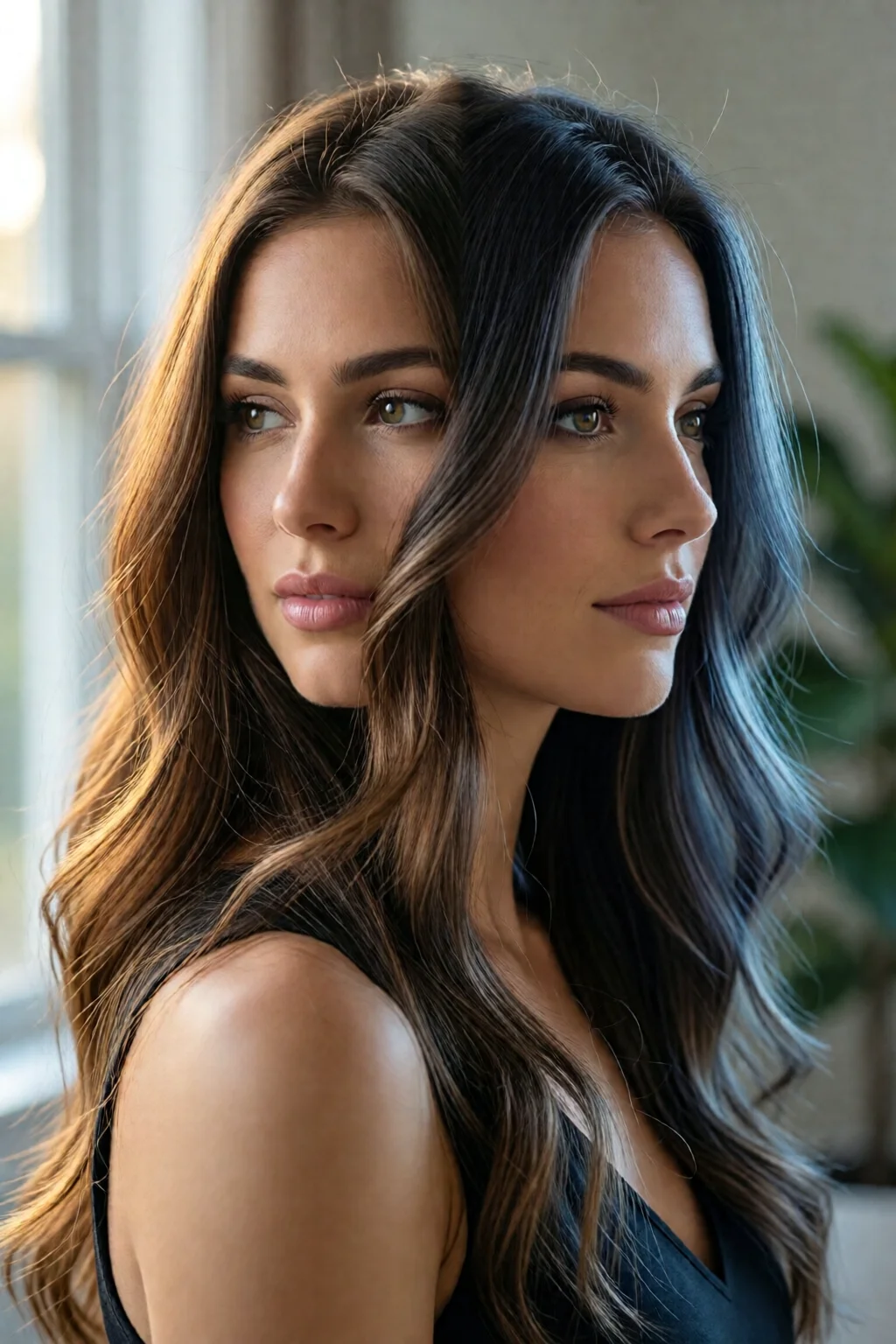
Final Verdict: Which Tone Wins for You?
There’s no universal “best” between warm and cool; the winner is the one that aligns with your skin undertone, natural hair level, and lifestyle. Warm tones deliver a sun‑kissed, low‑maintenance glow, perfect for golden‑skinned beauties and those who love a subtle, natural look. Cool tones offer sleek sophistication, ideal for pink‑toned complexions and anyone ready to invest a little extra time in toning.
My personal rule of thumb: start with a warm base if you’re unsure—it’s forgiving and can be easily shifted to cool with a toner. If you’re already confident in your undertone, go straight for the shade that makes you feel most “you.”
Regardless of your choice, remember that proper preparation, the right product lineup, and regular maintenance are the three pillars that keep your color looking salon‑fresh for weeks.
How do I know if my undertone is warm or cool?
Look at the veins on your wrist, try gold vs. silver jewelry, and hold a white sheet next to your face in natural light. Green veins and gold jewelry point to warm; blue/purple veins and silver indicate cool.
Can I switch from a warm color to a cool one without damaging my hair?
Yes. First neutralize the warm pigments with a purple shampoo, then apply a cool toner or a two‑step lift‑and‑tone process. Follow up with a protein treatment like Olaplex No.3.
What are the best products to keep a cool ash blonde from turning brassy?
Use a purple shampoo (e.g., Clairol Shimmer Lights) twice a week, a blue shampoo for orange tones, and a cool gloss like Schwarzkopf BlondMe Gloss every few washes. A UV protectant spray also helps.
How often should I deep condition after coloring?
At least once a week for the first month, then every 10‑14 days. Use a protein‑rich mask such as Olaplex No.3 or a hydrating mask like Pureology Hydrate Shine.
Do warm or cool colors cover gray better?
Both can cover gray effectively, but warm colors often hide gray more naturally, while cool tones may need a slightly higher concentration of pigment or a dedicated gray‑cover formula.
1 commentaire sur « Warm Vs Cool Hair Color Tones Guide: Complete Guide for 2026 »