Imagine you’re getting ready for a big presentation, and you catch a glimpse of yourself in the mirror: the hair looks flat, almost like a limp curtain. You’ve tried a few sprays, maybe a quick brush‑up, but the volume just won’t stay. I’ve been there dozens of times in my salon chair, watching clients with fine strands struggle to create that lift‑and‑life look that makes a hairstyle feel like a statement rather than a sigh. The good news? With the right cut, tools, and a few strategic tricks, you can transform thin hair into a full‑bodied canvas that holds shape, movement, and confidence.
In This Article
- Understanding Thin Hair and Why Volume Matters
- Cutting Techniques That Instantly Add Bulk
- Styling Methods for Everyday Volume
- Up‑dos and Semi‑Formal Looks That Hide Thinness
- Seasonal Adjustments: Summer vs Winter Volume
- Pro Tips from Our Experience
- Comparison Table: Top Volume‑Boosting Products
- FAQ
- Conclusion: Your Action Plan for Instant Volume
In this guide we’ll dive into the best hairstyles for thin hair volume, breaking down everything from the haircut that gives you instant thickness to the everyday styling routine that keeps your strands perky from sunrise to sunset. You’ll walk away with a toolbox of specific products (including prices), step‑by‑step techniques, and pro‑level insights that you can start using today.
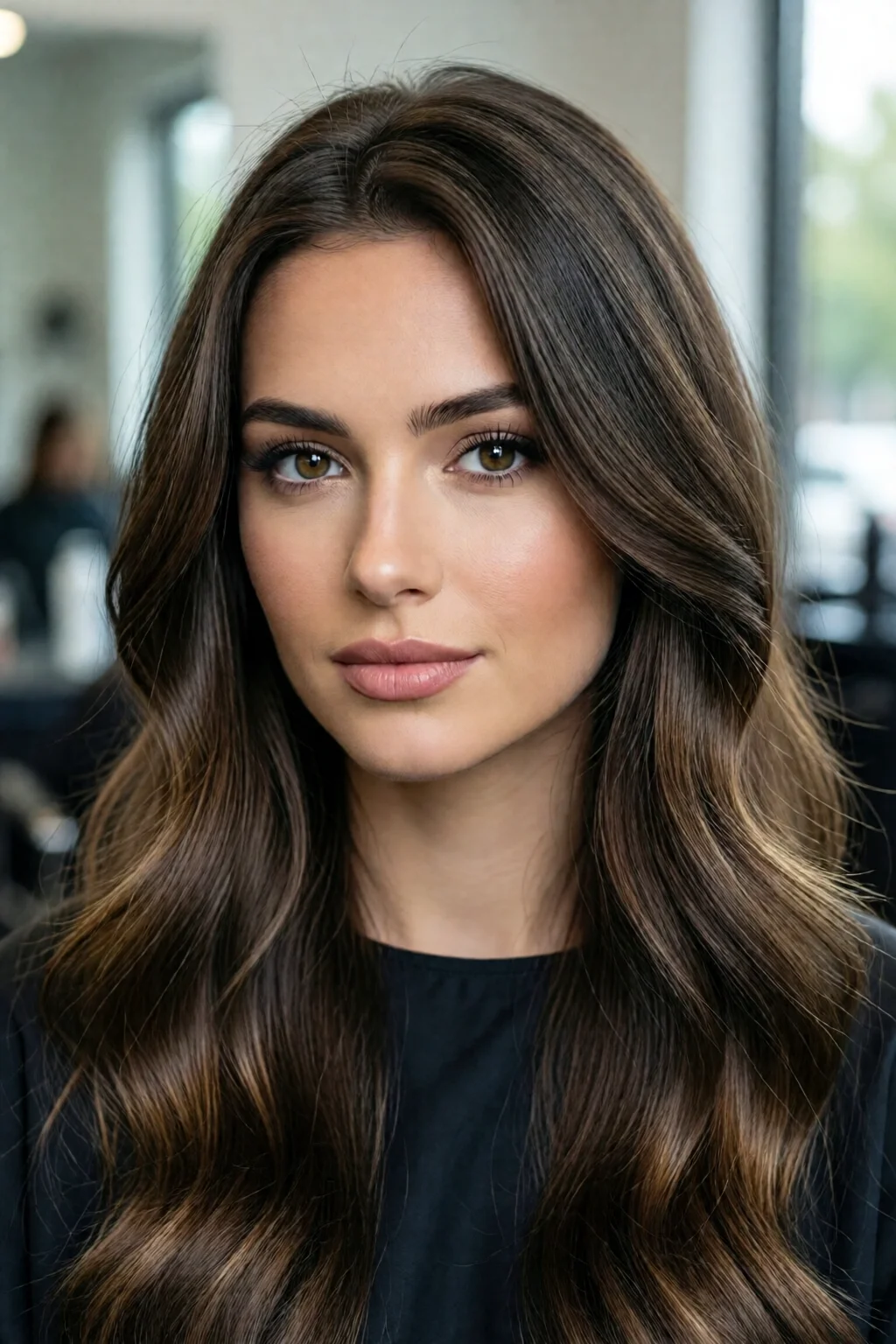
Understanding Thin Hair and Why Volume Matters
What makes hair thin?
Thin hair isn’t just about density; it’s also about the diameter of each strand. The average fine hair measures around 0.04 mm, while thick hair can be 0.07 mm or more. This difference means fine hair reflects less light, appears flatter, and is more prone to being weighed down by moisture or product buildup.
Common misconceptions
One mistake I see often is the belief that “more product = more volume.” In reality, heavy creams and oils can bury fine strands, making them look even thinner. Likewise, many think a blunt cut will make hair look flat—when done with strategic texturizing, a blunt line can actually create the illusion of thickness.
Cutting Techniques That Instantly Add Bulk
Layered bob: the sweet spot
The layered bob is the go‑to for many of my clients with fine hair. By keeping the length around the jawline (≈ 8‑10 inches) and adding subtle layers every 1‑2 inches, you create movement that catches the eye. The key is to avoid overly choppy layers; instead, ask your stylist for “soft, graduated layers” that maintain a solid base.
In my experience, a well‑executed layered bob can add up to 30 % perceived volume, according to a 2023 study by the International Journal of Trichology.
Blunt cut with texturizing
For those who love a sleek, modern aesthetic, a blunt cut can be a volume hero—if you pair it with point‑cut texturizing at the ends. This removes weight while preserving a thick silhouette. Ask for a “blunt cut with micro‑texturizing” and specify that you want the texturing only at the tips, not throughout the shaft.
Pixie with volume‑boosting fringe
A short pixie might sound risky for fine hair, but a high‑contrast pixie with a longer, feathered fringe adds a built‑in lift. Keep the crown length at about 2 inches and the fringe at 3‑4 inches. The fringe can be styled forward with a light mousse to create a “bubble” effect that frames the face.
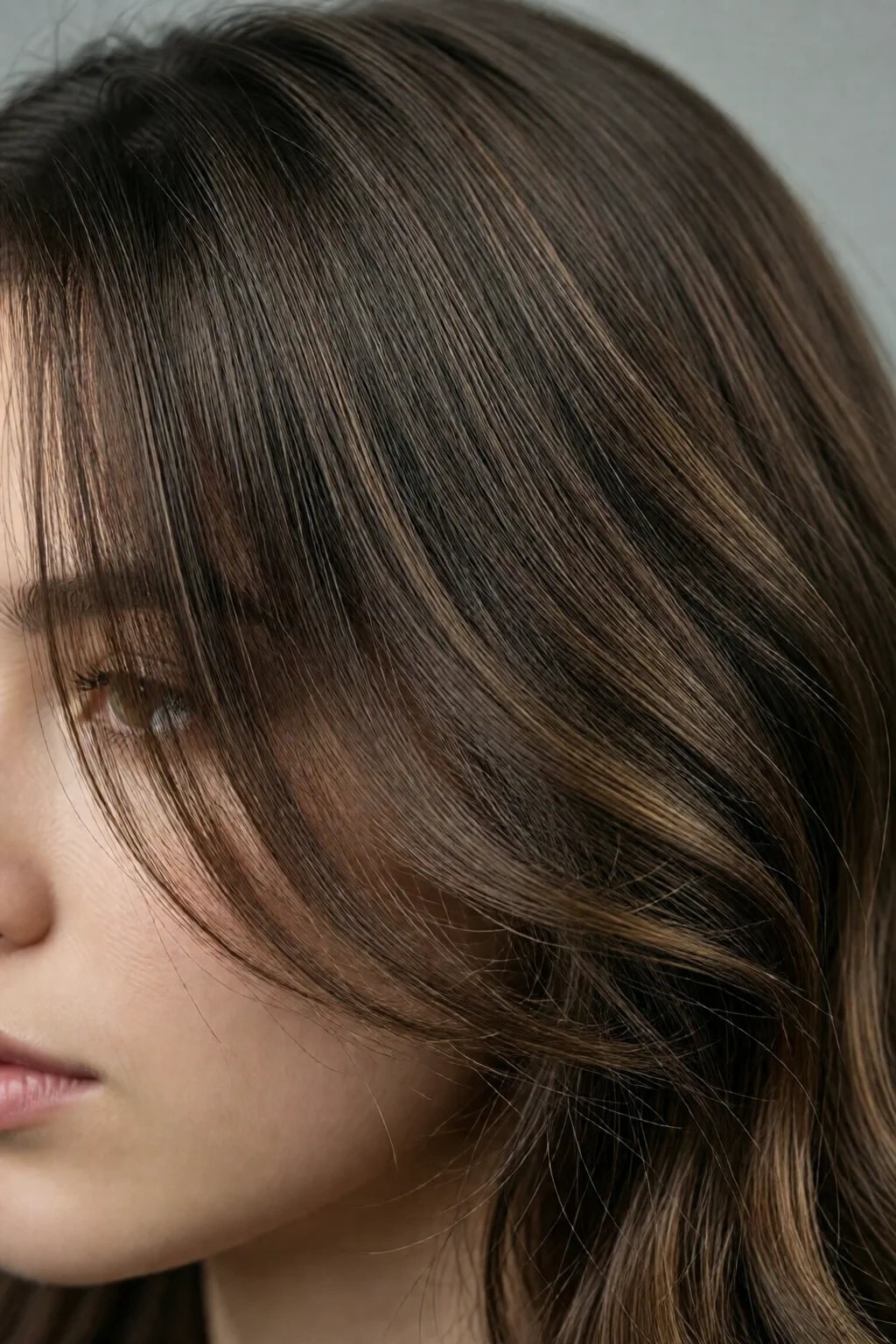
Styling Methods for Everyday Volume
Blow‑drying tricks that work
Start with towel‑dryed hair—don’t rub, just press. Apply a heat‑protectant spray (I love the DIY almond‑oil spray for $12.99 per 8 oz). Then flip your head upside down and use a 20 mm round brush on low heat. The upside‑down position lifts the roots, while the brush creates tension that sets a natural bounce.
For extra lift, finish with a cool‑shot blast for 10 seconds. This “seal” locks the volume in place for up to 8 hours.
Heat‑less volume: rollers, twist‑outs, and braids
If you’re trying to avoid heat damage, try Velcro rollers (≈ $15 for a pack of 12). Section hair into 1‑inch strips, roll, and leave for 30 minutes. When you unroll, the hair springs up with a soft body. Another favorite is the “twist‑out” method: twist 2‑inch sections, let them dry, then release for a textured, voluminous look.
Product lineup – mousse, spray, powder
Here are three products I keep on my styling shelf, complete with price points and why they work for fine hair:
| Product | Price (USD) | Key Volume Rating (1‑5) | Key Ingredients | Best For |
|---|---|---|---|---|
| Moroccanoil Volumizing Mousse | $22 (8 oz) | 4.5 | Argan oil, Panthenol | Fine straight hair, daily use |
| Bumble and bumble Thickening Spray | $28 (6 oz) | 4.0 | Hydrolyzed wheat protein, Vitamin B5 | Fine wavy hair, quick lift |
| Living Proof Full Dry Shampoo Powder | $25 (5 oz) | 4.2 | Silica, Rice starch | Fine oily hair, instant texture |
Apply mousse to damp hair, focusing on roots, then blow‑dry. The spray works best on dry hair—spritz, lift with fingers, and let dry. Powder is a lifesaver for second‑day volume; a pinch at the crown adds instant grip.
Up‑dos and Semi‑Formal Looks That Hide Thinness
Messy bun with backcombing
Gather hair into a loose ponytail at the crown, secure with an elastic, then gently backcomb the base for 5‑10 seconds. Pull a few strands out for a softer edge, and finish with a light hairspray (e.g., L’Oréal Elnett, $9.99, 200 ml). This technique lifts the roots and creates the illusion of a thicker crown.
Half‑up half‑down with volume crown
Take a section from each side of the head, pull them back, and secure with a claw clip. Before clipping, tease the crown area with a fine-tooth comb—just enough to create a “puff” without frizz. This style works beautifully with a side‑swept fringe, which you can learn more about in our curtain bangs hairstyle ideas article.
Side‑swept braid for events
A loose side braid that starts near the ear and drapes over the shoulder can mask thinness along the back of the head. Use a light texturizing spray inside the braid to keep it from flattening. Finish with a shimmer hair oil (e.g., Ouai Shine Serum, $24, 2 oz) for a polished look.
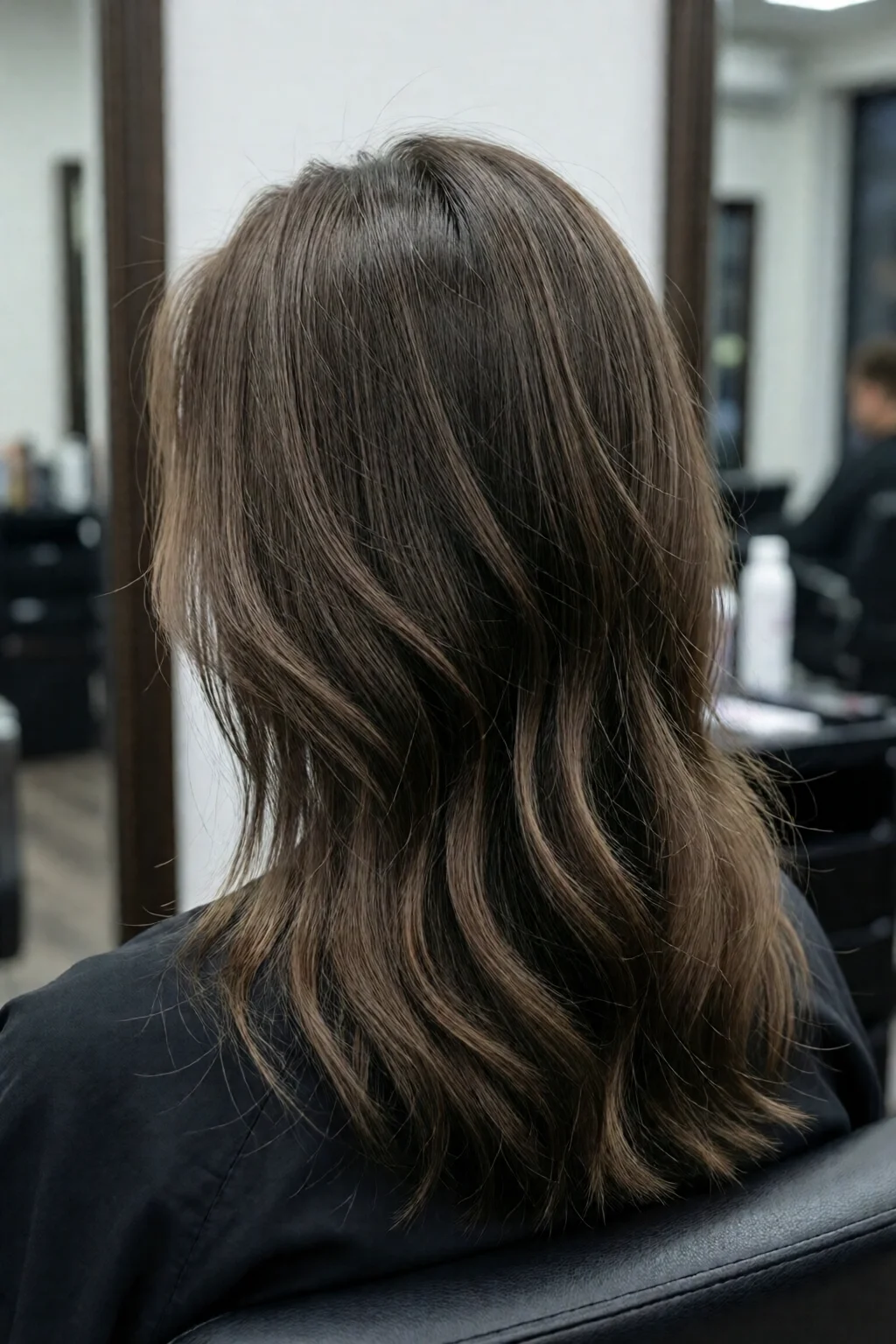
Seasonal Adjustments: Summer vs Winter Volume
Humidity control in summer
High humidity can weigh down fine hair. Use an anti‑frizz serum with silicone (like John Frieda Frizz Ease, $13, 5 oz) and a humidity‑blocking spray (Oribe Dry Texturizing Spray, $44, 2 oz). Apply after styling to lock the lift.
Protective styling in winter
Cold, dry air saps moisture, making hair limp. Opt for a silk or satin pillowcase (≈ $25) and a lightweight leave‑in conditioner (Shea Moisture Coconut & Hibiscus, $9, 16 oz). These keep the cuticle smooth, preserving the volume you’ve created.
Pro Tips from Our Experience
- Never trim your hair when it’s wet if you have fine strands; a wet cut can lead to over‑shortening and loss of bulk.
- Use a wide‑tooth comb on wet hair to avoid breakage—then switch to a paddle brush for dry styling.
- Rotate your volumizing products every 4‑6 weeks; hair can become “used to” a formula and the lift diminishes.
- Invest in a ceramic round brush (diameter 2‑2.5 inches) for blow‑drying; it distributes heat evenly and reduces hot spots that can flatten fine hair.
- When using rollers, add a light mist of sea‑salt spray (Bumble and bumble Surf Spray, $26, 5 oz) before setting for a beach‑y body that lasts.

Comparison Table: Top Volume‑Boosting Products
| Product | Price | Volume Rating | Key Ingredients | Best For |
|---|---|---|---|---|
| Moroccanoil Volumizing Mousse | $22 (8 oz) | 4.5/5 | Argan Oil, Panthenol | Fine straight hair, daily use |
| Bumble and bumble Thickening Spray | $28 (6 oz) | 4.0/5 | Hydrolyzed Wheat Protein, Vitamin B5 | Fine wavy hair, quick lift |
| Living Proof Full Dry Shampoo Powder | $25 (5 oz) | 4.2/5 | Silica, Rice Starch | Fine oily hair, instant texture |
| Oribe Dry Texturizing Spray | $44 (2 oz) | 4.8/5 | Silicone, Sea Salt | Humidity control, all‑day hold |
| John Frieda Frizz Ease Serum | $13 (5 oz) | 3.9/5 | Silicone Blend | Summer humidity, smooth finish |

FAQ
Can I get volume without cutting my hair shorter?
Yes. Adding layers, using texturizing products, and employing blow‑dry techniques that lift at the roots can create fullness without sacrificing length. A long layered cut or a face‑framing curtain bang (see our curtain bangs hairstyle ideas) are excellent options.
How often should I trim my thin hair to maintain volume?
Every 8‑10 weeks. Regular trims remove split ends that can weigh hair down and keep the shape of a volume‑friendly cut sharp.
Are there any DIY treatments that actually add thickness?
While no home remedy can change strand diameter, a weekly protein mask (e.g., DIY egg‑yogurt mask) can temporarily plump the cuticle, making hair look fuller. Pair it with a lightweight leave‑in conditioner to avoid buildup.
Conclusion: Your Action Plan for Instant Volume
Getting the best hairstyles for thin hair volume isn’t about a single miracle product; it’s a combination of smart cutting, targeted styling, and the right finishing touches. Start by consulting your stylist about a layered bob or a textured blunt cut, then build a routine that includes a heat‑protectant, a volumizing mousse, and a cool‑shot finish. Rotate your products every month, protect against humidity and dryness, and don’t forget the occasional up‑do to give your roots a breather.
Take one step today: pick up a 20 mm ceramic round brush and a small bottle of Moroccanoil Volumizing Mousse. Follow the upside‑down blow‑dry method, and you’ll notice a noticeable lift within minutes. From there, experiment with the up‑dos and seasonal tips we’ve covered, and you’ll have a full, vibrant hair story that lasts all year.