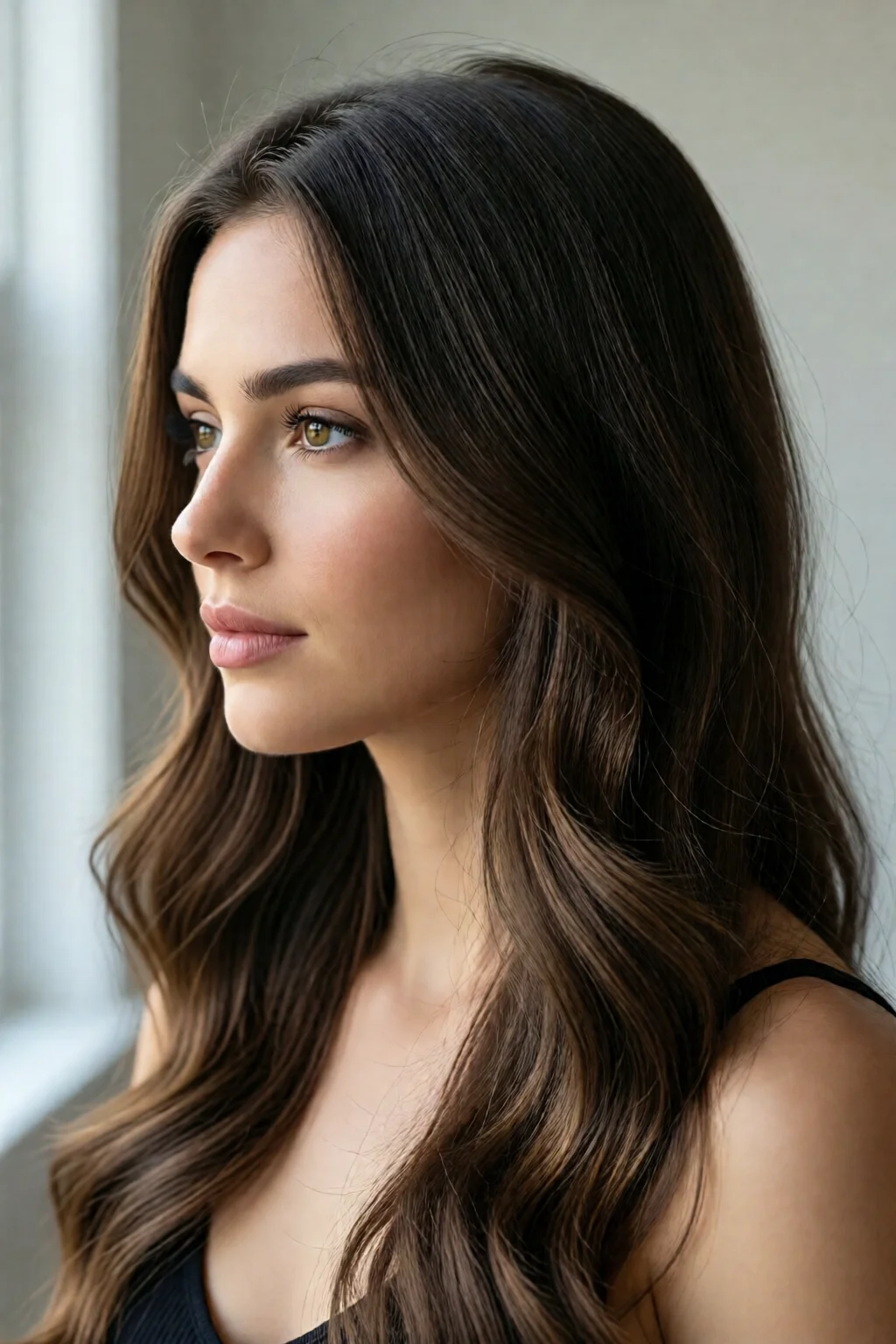
Ever wonder how to switch up your shade without looking like you just walked out of a salon commercial?
In This Article
What You’ll Achieve and What You Need
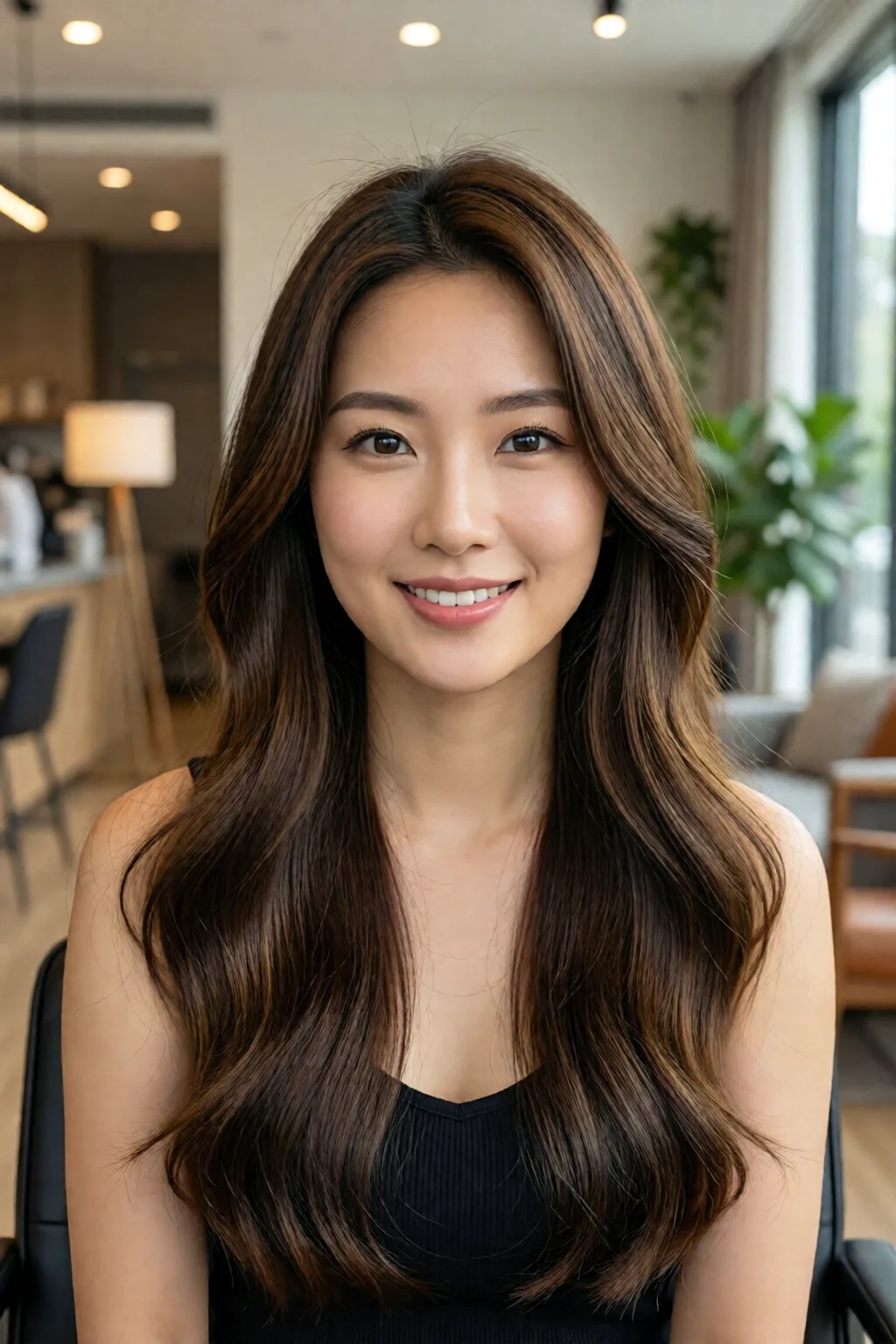
By the end of this guide you’ll have a palette of natural looking hair color ideas you can recreate at home or discuss confidently with your stylist. You’ll know which pigments blend seamlessly, how to prep your strands, and the exact products to buy so the result stays soft, lived‑in, and low‑maintenance.
Materials Checklist
- Professional hair dye kit (e.g., Wella Koleston Perfect 60 ml – $28 or L’Oréal Professionnel Majirel 60 ml – $35)
- Developer 20 vol (6 % peroxide) – usually sold in 100 ml bottles for $12
- Mixing bowl, brush, and foil strips (optional for highlights)
- Gloves, cape, and a timer (your phone works fine)
- Post‑color care: Olaplex No. 3 (100 ml – $28), Pureology Hydrate Shampoo – $22, and a heat protectant spray ($15)
- Color‑matching chart or a digital app (like the dimensional hair color techniques guide)
Before You Start: Preparing Your Canvas
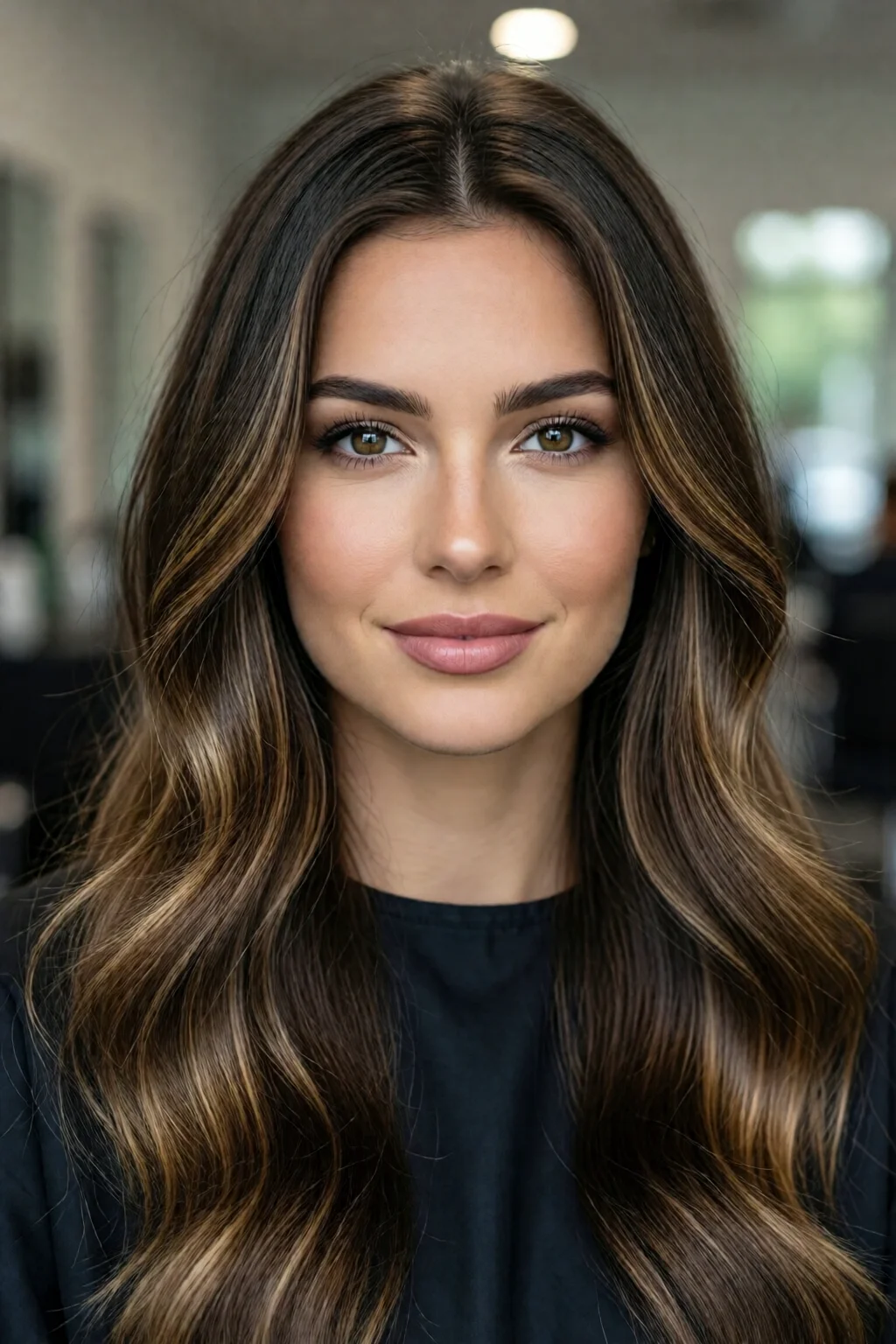
One mistake I see often is diving straight into the dye without assessing the base color. Your natural hair pigment determines how much lift or deposit you need. Grab a strand, place it on a white towel, and note the level (1 = black, 10 = lightest blonde). If your level is 5‑7, you can safely go for a subtle ash or caramel. Below level 5, stay in the “enhance” zone – add low‑volume developer and a tone that mimics natural highlights.
Schedule a 30‑minute prep: wash with a sulfate‑free shampoo (e.g., Oribe Bright Blonde – $28) and skip conditioner. This removes product buildup while preserving the cuticle, allowing the dye to settle evenly.
Step‑by‑Step Tutorial
Step 1 – Choose Your Shade
For a sun‑kissed, natural vibe, pick one of these three proven ideas:
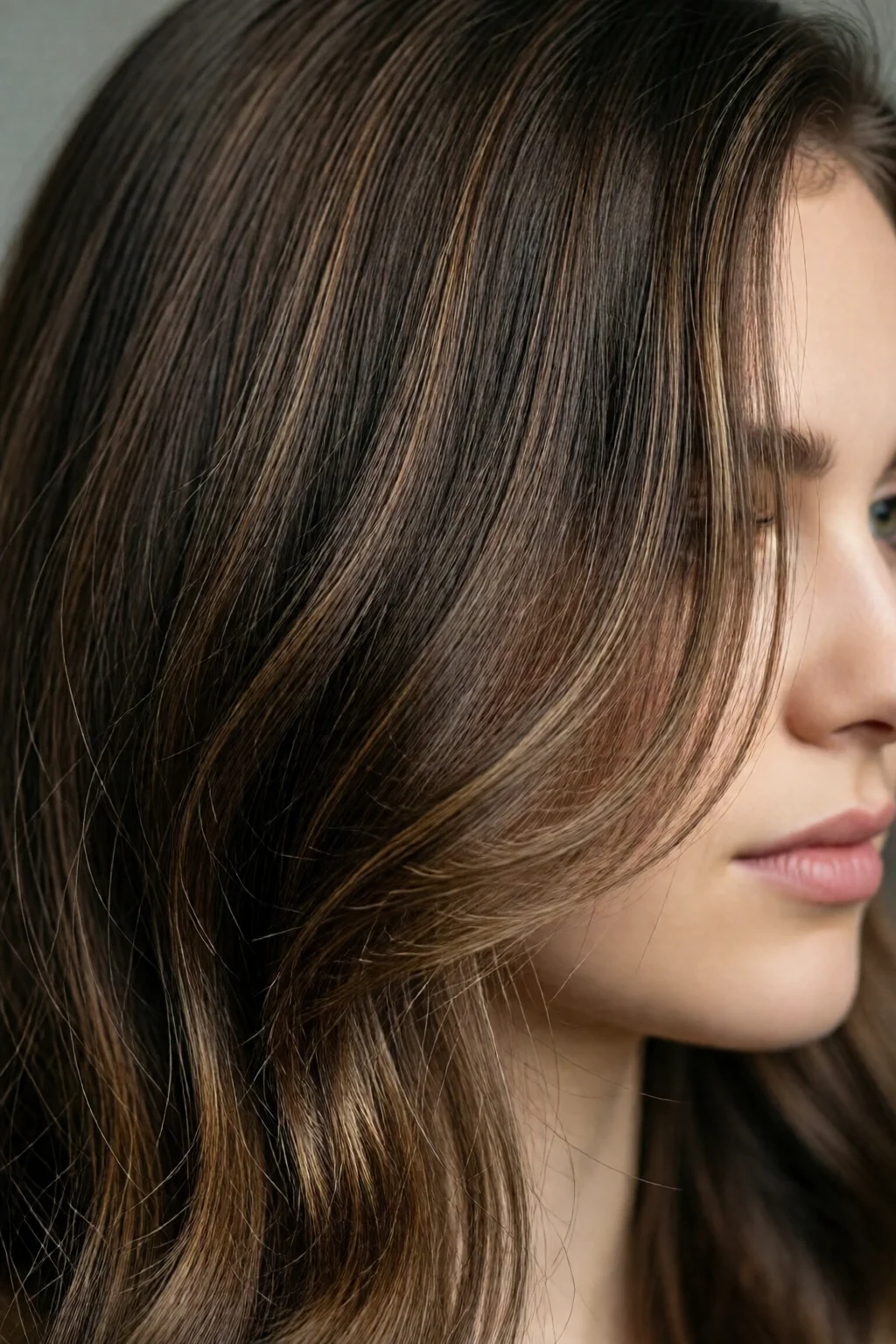
- Soft Balayage: Lighten 10‑15% of strands from mid‑length to ends using a 30 vol developer. Use a low‑commitment color like Wella Color Touch 1.33 (Champagne Blonde) – $22.
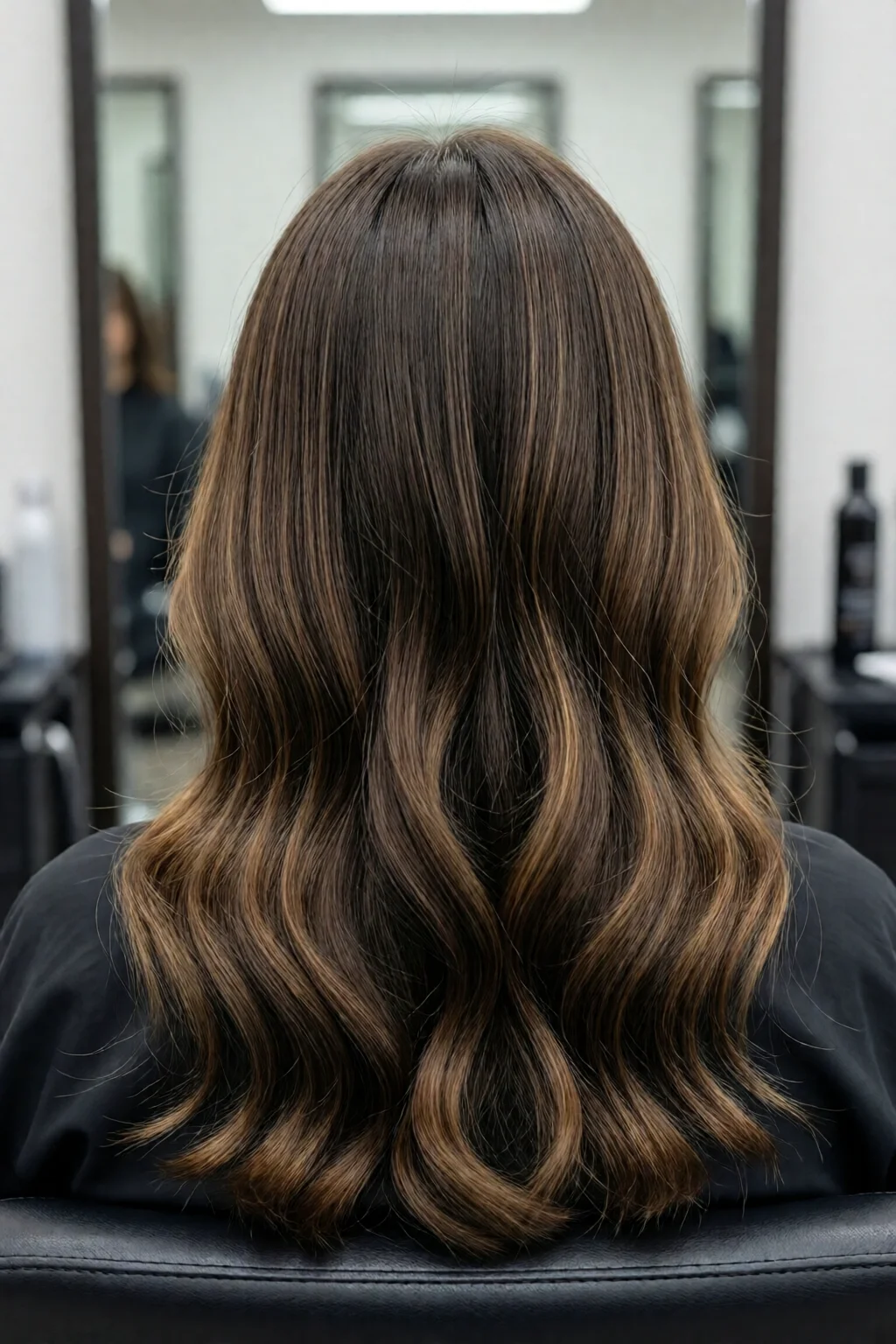
- Root Shadow Ombre: Keep your natural root dark (level 4‑5) and blend into a warm honey or ash tone at the mid‑shaft. Mix 1.5 % developer with Redken Color Gels 6.45 (Medium Honey Blonde) – $30.
- Subtle Low‑Light Highlights: Add depth with 2‑3% darker strands using foil. A shade like Schwarzkopf Color Freeze 4.31 (Cool Dark Brown) – $19 works well on medium brown bases.
Step 2 – Mix the Formula
Combine dye and developer in a 1:1 ratio. For 60 ml of dye, use 60 ml of developer. Stir for 30 seconds until the mixture is uniform. Temperature matters – if the room is colder than 68°F (20°C), add a few drops of warm water to keep the reaction consistent.
Step 3 – Application Technique
Section your hair into four quadrants using clips. Starting at the back, apply the dye with a brush, working from the roots outward for an all‑over color, or use a foil method for highlights. For the balayage look, use a “painting” motion, feathering the dye onto the ends. Aim for a 2‑hour processing time for a 30 vol lift; lower volumes need 30‑45 minutes.
Step 4 – Rinse and Condition
Rinse with lukewarm water until the water runs clear. Apply a deep‑conditioning mask (e.g., Kevin Murphy Blonde.Angel Masque – $45) for 5 minutes. Finish with a cool‑water rinse to close the cuticle and lock in shine.
Step 5 – Protect and Maintain
To keep the color looking natural for months, incorporate a weekly treatment of Olaplex No. 3. Use a how to maintain colored hair longer routine: sulfate‑free shampoo, color‑safe conditioner, and a heat protectant before styling. Expect a color fade of only 10‑15% after the first 8 weeks if you follow this regimen.
Common Mistakes to Avoid
Even seasoned stylists trip up on these pitfalls:
- Over‑processing: Using 40 vol developer on fine hair can cause breakage. Stick to 20‑30 vol for subtle lifts.
- Skipping a Strand Test: A 48‑hour patch test catches allergic reactions and reveals unexpected undertones.
- Applying Dye on Wet Hair: Water dilutes the formula, leading to uneven color. Hair should be damp, not soaking.
- Neglecting After‑Care: Without Olaplex or a protein mask, the color oxidizes, turning brassy within weeks.
Troubleshooting & Pro Tips for Best Results
Issue: Brassiness – If you notice orange tones on a blonde balayage, apply a toning shampoo with a violet pigment (e.g., Clairol Shimmer Lights – $8) once a week.
Issue: Uneven Lightening – Re‑apply the dye to the darker zones using a lower developer (10 vol) and a shorter processing time (15 minutes).
Pro Tip: Blend a tiny amount of Wella Color Touch 1.31 (Neutral Beige) into your primary shade to create a custom hue that mimics natural sun‑bleached strands. The cost is negligible – about $2 for a 5 ml scoop.
Pro Tip 2: Use a digital color meter (like the red hair color ideas and shades app) to measure the exact reflectance of your hair before and after. This data helps you fine‑tune the lift percentage for future sessions.
FAQ
How long does a natural looking hair color last?
With proper care—sulfate‑free shampoo, weekly Olaplex treatments, and minimal heat styling—most subtle shades retain their vibrancy for 8‑12 weeks before noticeable fading.
Can I achieve a natural look on dark hair without bleaching?
Yes. Use low‑volume developer (10 vol) with a demi‑permanent dye like Clairol Natural Instincts. It deposits color without lifting, creating a sun‑kissed, low‑contrast effect.
What’s the cheapest way to get a natural balayage at home?
Purchase a single 60 ml box of Wella Color Touch 1.33 ($22) and a 30 vol developer ($12). Combined with foil and a simple brush, the total cost is under $40 and lasts 2‑3 weeks before a touch‑up.
Do I need a professional to do root shadow ombre?
Not necessarily. The technique uses a simple two‑tone blend—apply the darker shade to the roots and the lighter shade to the mid‑shaft. With a clear demarcation line and a timer, you can replicate salon results at home.
How can I keep my color from turning brassy?
Incorporate a violet‑based toning shampoo once a week, use a color‑protecting conditioner, and avoid excessive sun exposure. A UV‑protective hair spray ($14) adds an extra shield.
Summary & Final Thoughts
Choosing natural looking hair color ideas isn’t about chasing trends; it’s about enhancing what you already have so the result feels effortless. With the right shade selection, precise mixing, and diligent after‑care, you’ll enjoy a sun‑lit, lived‑in hue that fades gracefully rather than abruptly.
Remember: invest in quality products, respect processing times, and treat your hair like the canvas it is. In my experience, the confidence boost from a well‑executed, natural shade outweighs the cost of a professional box of dye by far.