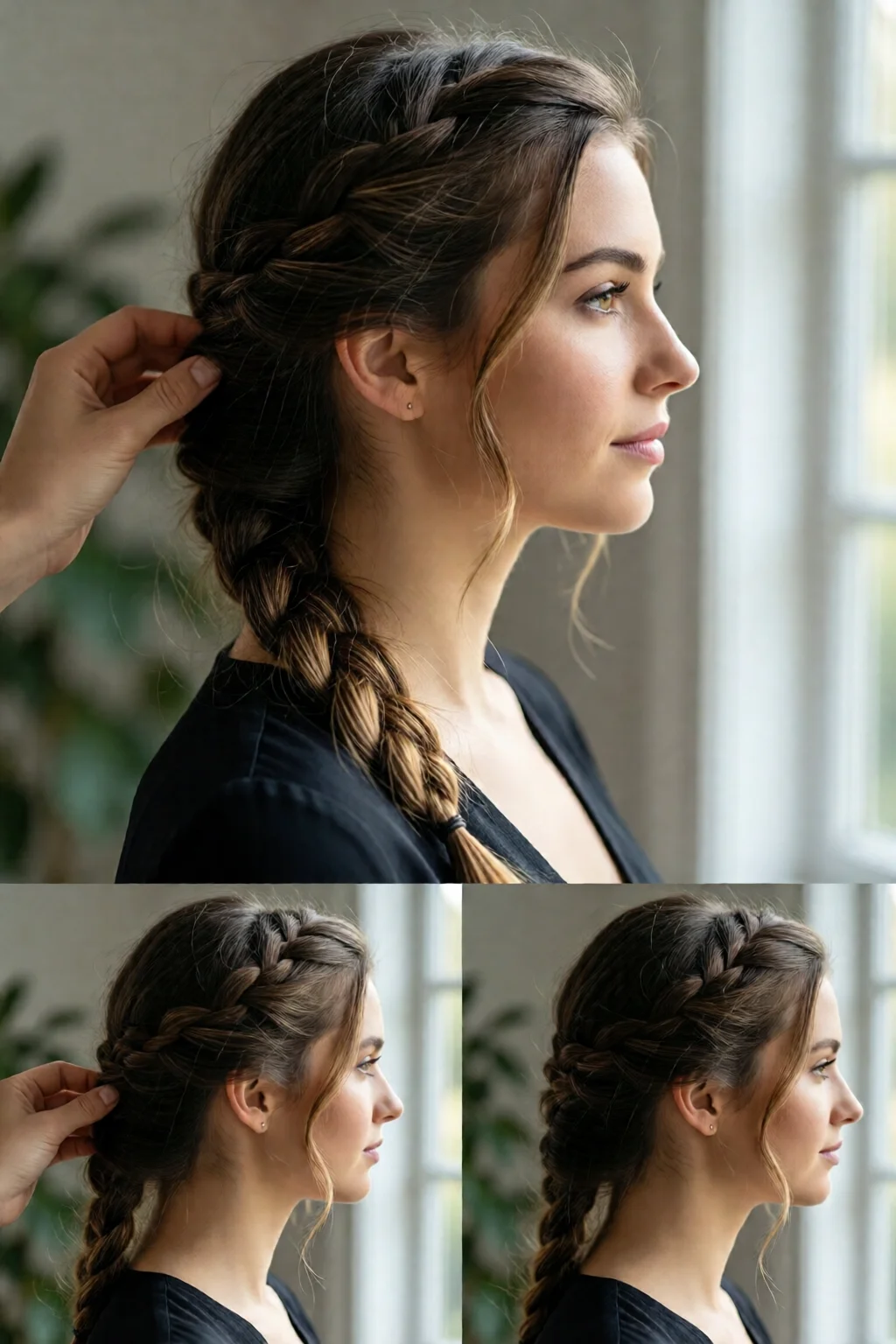
Picture this: you’re running late for a coffee date, the wind is flirting with your loose strands, and you need a polished look in under five minutes. A French braid is the perfect rescue—elegant, practical, and surprisingly quick once you know the how to do a french braid step by step. In this guide I’ll walk you through every nuance, from prepping your hair to perfecting the finish, with the same friendly tone I’d use over a salon chair.
In This Article
- 1. Prep Your Hair – Clean, Condition, and Detangle
- 2. Gather Your Tools – The Essentials
- 3. Section the Crown – The Foundation of a French Braid
- 4. Begin the Classic Over‑Under Pattern
- 5. Incorporate Side Hair – The “French” Movement
- 6. Maintain Tension and Consistency
- 7. Secure the End – Finish with Flair
- 8. Style Variations – From Casual to Couture
- 9. Product Recommendations – Top Picks for Your Braid Toolbox
- 10. Maintenance & Care – Keep Your Braid-Ready Hair Healthy
- Bonus: Quick Links to Related Tutorials
- Final Verdict
Why a listicle? Because each step is a mini‑milestone, and breaking it down makes the process less intimidating. I’ve spent over a decade braiding everything from bridal up‑dos to everyday school styles, and I’ve seen the same three mistakes trip up beginners: pulling too tight, losing tension, and forgetting to secure the end. Let’s eliminate those pitfalls together.
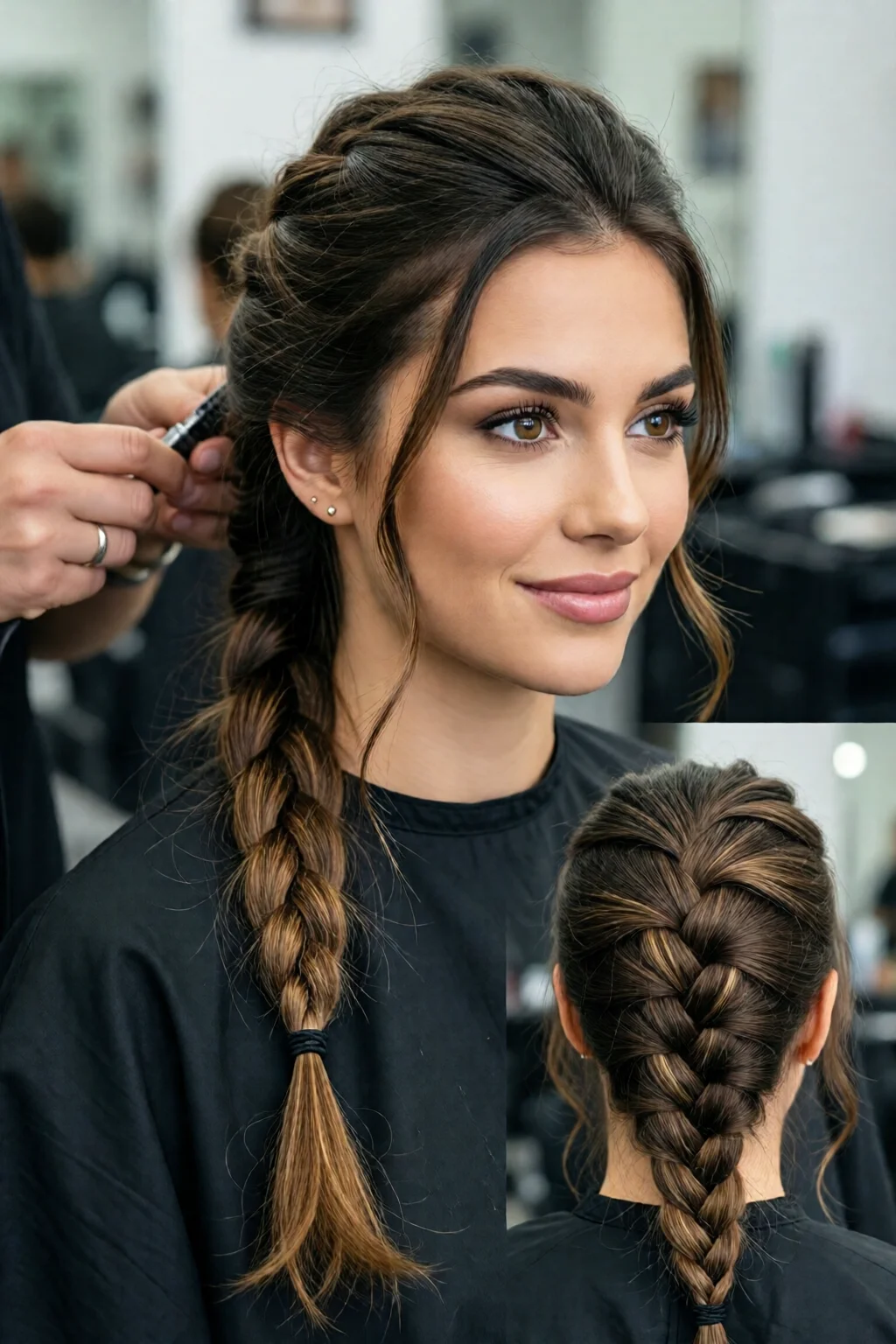
1. Prep Your Hair – Clean, Condition, and Detangle
Start with freshly washed hair or, if you’re short on time, a light dry‑shampoo like Brydge Dry Shampoo ($12). Apply a smoothing serum—my go‑to is Moroccanoil Treatment Light (30 ml, $24). It adds slip without weighing fine hair down.
Pro tip: If your hair is naturally coarse, a light mist of water (about 2‑3 ml per 10 cm of hair) helps maintain elasticity. Use a wide‑tooth comb (e.g., Cricket Ultra Smooth Comb, $8) to detangle from ends to roots, preserving the natural pattern and preventing breakage.
Pros: Reduces snagging; adds shine.
Cons: Over‑application can make hair greasy.
2. Gather Your Tools – The Essentials
Here’s my “braiding toolbox” that fits in a standard travel pouch (≈15 × 10 cm):
- Fine‑tooth comb – $7 (e.g., Conair Fine Comb)
- Elastic hair ties – 10‑pack, $4 (e.g., Scunci No‑Slip Elastics)
- Hairspray with medium hold – L’Oréal Elnett Satin, 250 ml, $9
- Optional: Braiding spray – Got2b Glued styling spray, $11
Having these at hand cuts down “search‑and‑grab” time, keeping your workflow smooth.
3. Section the Crown – The Foundation of a French Braid
Take a small “tri‑section” at the very top of your head, about 1 inch wide. This is the starting point. Use the fine‑tooth comb to create three even strands. If you’re working with thick hair, a 3‑inch section ensures you have enough volume to incorporate side hair later.
My trick: Pin the two outer sections to the scalp with a bobby pin while you work on the middle one. This keeps tension consistent and prevents the braid from slipping.
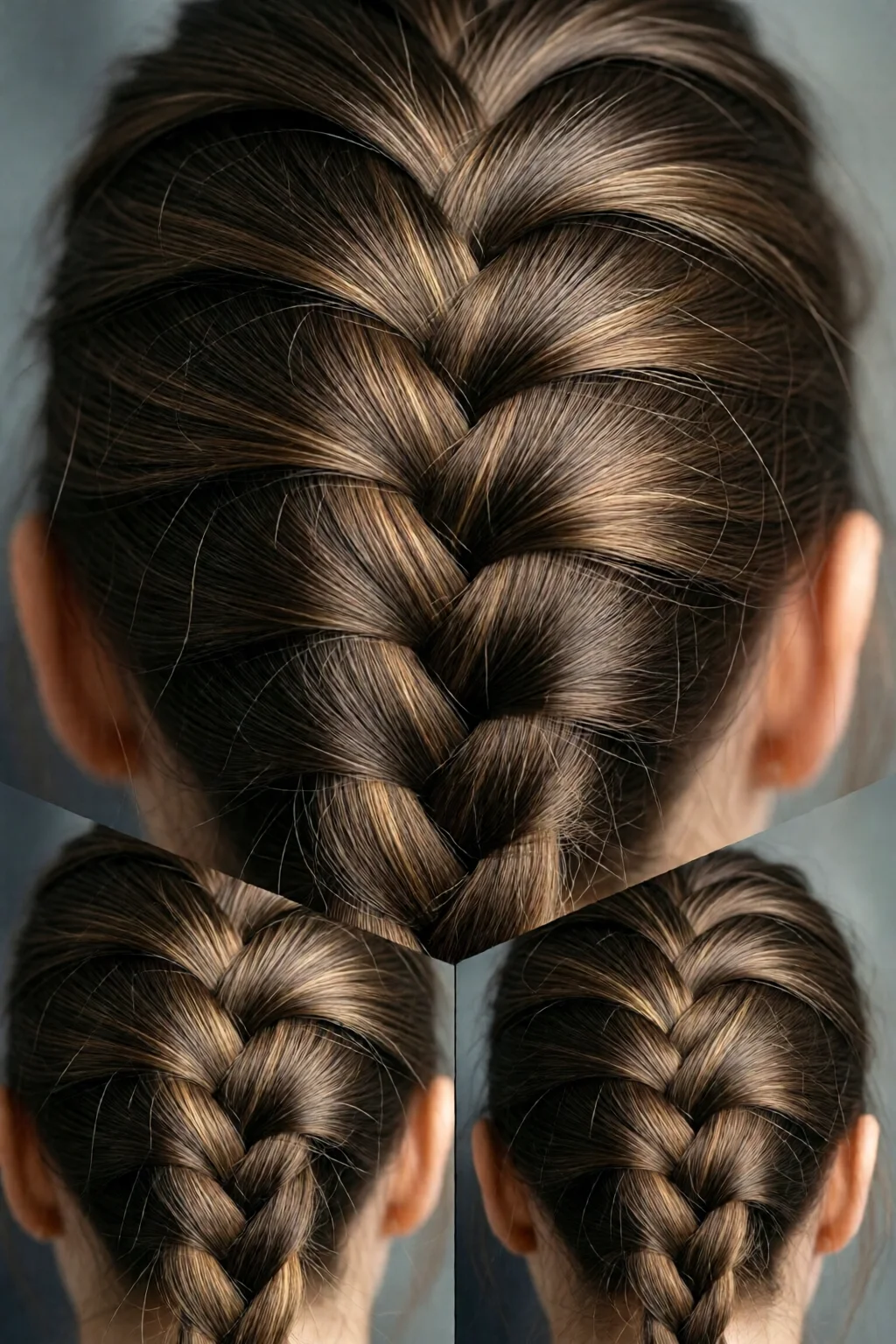
4. Begin the Classic Over‑Under Pattern
Cross the right strand over the middle, then the left strand over the new middle. This over‑under‑over pattern creates the iconic French look. As you complete the first three passes, gently pull each strand taut—enough to hold shape but not so tight that the scalp feels sore.
For those with fine hair, I recommend wrapping each new section with a spritz of braiding spray (about 0.5 ml). It adds grip without stiffness.
5. Incorporate Side Hair – The “French” Movement
Now the magic happens. Before each new crossing, gather a small amount of hair from the side of the head (roughly ½ inch wide) and add it to the strand you’re about to cross over the middle. Continue this rhythm—right over, left over—while steadily pulling the braid down.
Common mistake: Adding too much hair at once makes the braid bulky and uneven. Stick to the ½‑inch rule; you can always add more if you have excess.
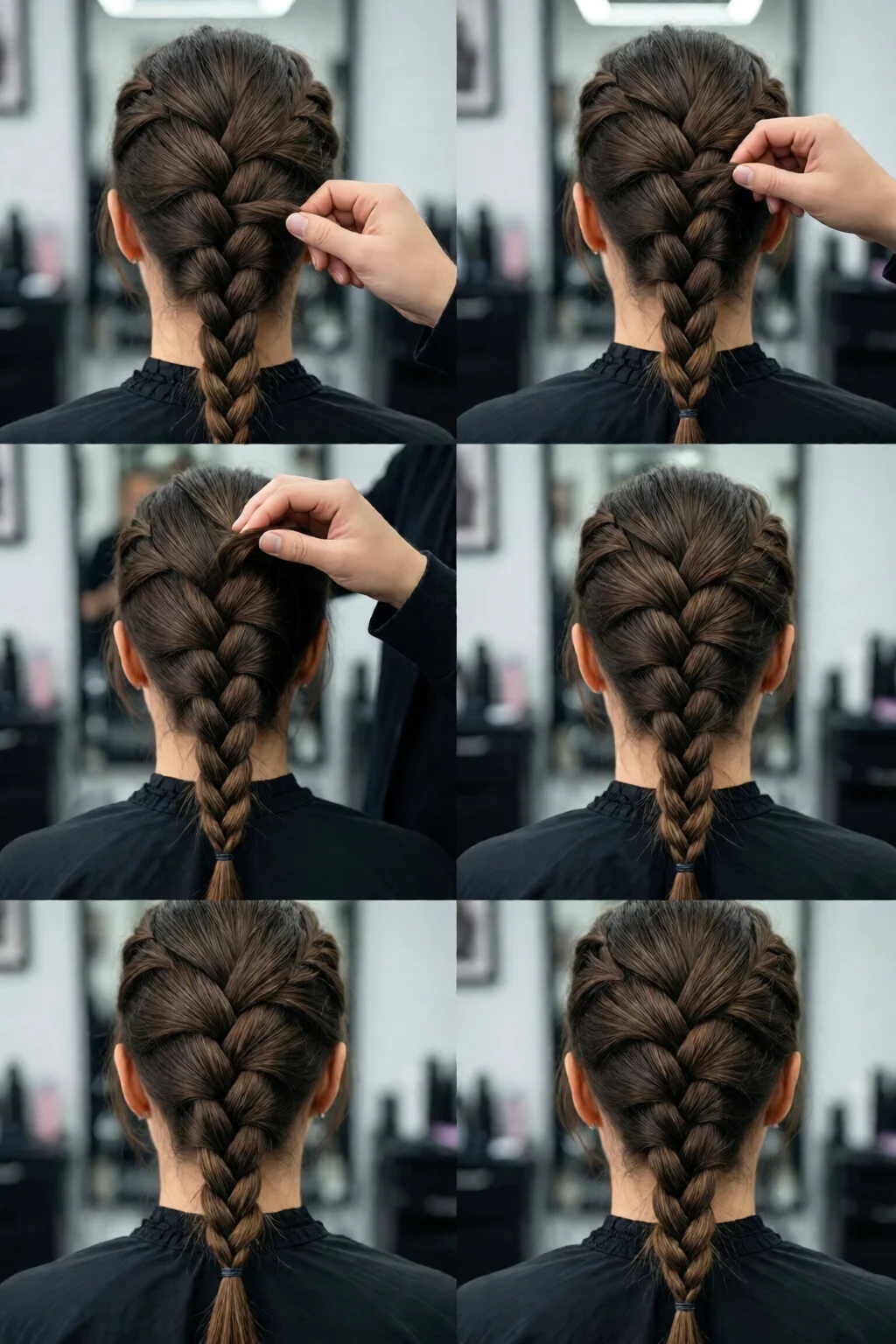
6. Maintain Tension and Consistency
As the braid descends, keep the tension uniform. If you feel the braid loosening, pause, and gently tug each strand back to the scalp before proceeding. Using a mirror positioned at a 45° angle helps you see the back of your head and adjust on the fly.
If you’re short on time, set a timer for 2 minutes—the braid usually falls into place within that window once you’ve mastered the rhythm.
7. Secure the End – Finish with Flair
When you reach the nape, finish with a classic three‑strand braid for about 2‑3 inches, then tie off with an elastic hair tie. For a polished look, wrap a small section of hair around the elastic and secure it with a bobby pin—this hides the tie and adds a salon‑grade finish.
Lightly mist the finished braid with L’Oréal Elnett Satin hairspray (spray from 25 cm distance, 2‑3 short bursts). The hold lasts up to 8 hours, even in humid conditions.
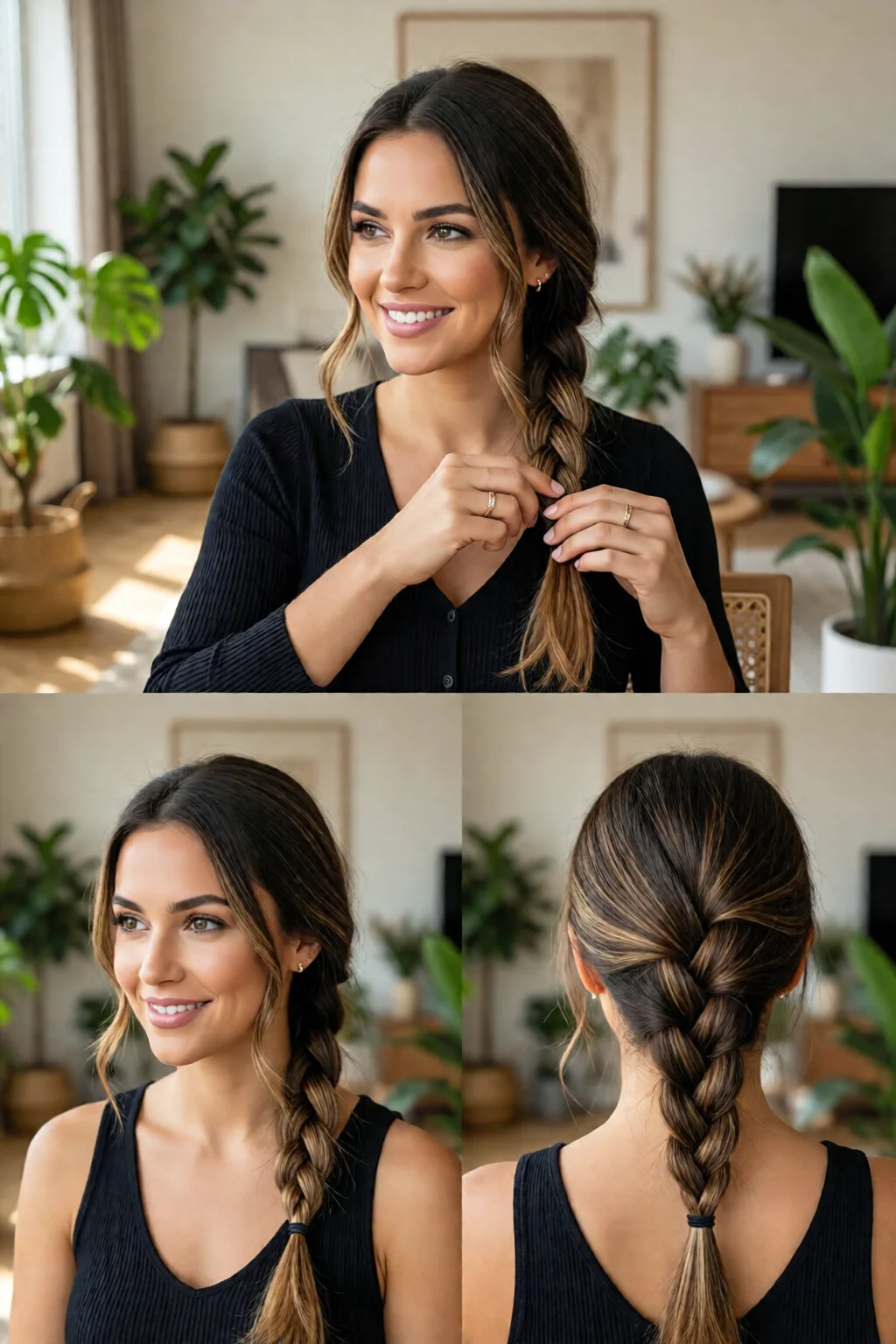
8. Style Variations – From Casual to Couture
Once you’ve nailed the basic how to do a french braid step by step, experiment:
- Side French braid: Start at one ear and work across the crown.
- French braid with a twist: Add a small section of rope braid into the side hair before crossing.
- Half‑up French braid: Braid only the top half, then pull the rest into a low ponytail.
These variations keep the style fresh and are perfect for occasions like a Halloween hairstyles creative ideas or a wedding brunch.
9. Product Recommendations – Top Picks for Your Braid Toolbox
| Product | Price | Why It’s Ideal | Rating |
|---|---|---|---|
| Moroccanoil Treatment Light (30 ml) | $24 | Lightweight slip for fine to medium hair; adds shine without greasiness. | 4.8/5 |
| Scunci No‑Slip Elastics (10‑pack) | $4 | Secure hold without denting; perfect for the final tie. | 4.6/5 |
| L’Oréal Elnett Satin Hairspray (250 ml) | $9 | Medium hold, brushable, resists humidity. | 4.7/5 |
| Got2b Glued Styling Spray (150 ml) | $11 | Provides extra grip for side hair incorporation. | 4.5/5 |
| Conair Fine Comb | $7 | Precise sectioning; easy to clean. | 4.4/5 |
10. Maintenance & Care – Keep Your Braid-Ready Hair Healthy
Frequent braiding can cause tension alopecia if you’re too aggressive. I recommend:
- Limiting tight braids to 2‑3 times per week.
- Using a deep‑conditioning mask (e.g., SheaMoisture Raw Shea Butter Restorative, $10) once a week.
- Massaging the scalp with a few drops of Jojoba Oil (5 ml, $6) after washing to maintain moisture balance.
These habits keep your hair resilient, so the braid stays flawless longer.
Bonus: Quick Links to Related Tutorials
If you want to pair your braid with other styles, check out these guides:
- how to curl hair with straightener
- how to blow dry hair like a salon
- claw clip hairstyles ideas and tutorials
- how to cover gray hair naturally
Final Verdict
Mastering the how to do a french braid step by step isn’t about memorizing a checklist; it’s about feeling the tension, understanding the rhythm, and using the right tools. With the prep steps, tool list, and detailed guidance above, you can create a sleek French braid in under five minutes—whether you’re prepping for a video call or a night out. Remember, practice makes perfect, but the right products and techniques will shave hours off your learning curve.
How long does it take to French braid hair?
For medium‑length hair (12‑14 inches), a practiced braider can finish in 3‑5 minutes. Beginners should allow 7‑10 minutes until they get the rhythm.
Can I French braid wet hair?
Yes, but only if you apply a lightweight smoothing serum and avoid pulling too tight, as wet hair is more fragile. Use a detangling spray (e.g., It’s a 10 Miracle Leave‑In, $13) to reduce breakage.
What’s the best hair type for a French braid?
All hair types can be braided, but medium to thick textures hold the braid shape best. Fine hair benefits from a light styling spray for extra grip.
How do I prevent a French braid from loosening?
Maintain consistent tension, use a grip‑enhancing spray (Got2b Glued), and finish with a strong elastic or a hidden bobby pin. A light mist of hairspray locks the braid in place.
Can I add accessories to a French braid?
Absolutely. Small floral pins, thin ribbons (1‑mm width), or pearl clips can be woven into the braid for a boho look without compromising strength.