Did you know that up to 78% of women admit they’ve tried a “quick fix” for split ends that actually makes the problem worse? The good news is you don’t have to keep snipping away at your strands. Below is a step‑by‑step guide on how to fix split ends without cutting, using science‑backed products, home remedies, and a few habits that will keep your hair looking salon‑smooth.
In This Article
- Understanding Split Ends: What’s Really Going On?
- Step‑by‑Step Routine to Fix Split Ends Without Cutting
- DIY Home Remedies for Immediate Relief
- Choosing the Right Products: Comparison Table
- Pro Tips from Our Experience
- When to Accept That Cutting Is Inevitable
- Frequently Asked Questions
- Conclusion: Your Action Plan
Split ends happen when the protective cuticle layer lifts or breaks, exposing the inner cortex. Over‑processing, heat styling, and even harsh weather can accelerate this. The key is to reseal the cuticle, replenish lost protein, and lock in moisture—without a scissors in sight.

Understanding Split Ends: What’s Really Going On?
The Anatomy of a Split End
A split end, technically called “trichoptilosis,” starts as a microscopic crack in the cuticle. If left unchecked, the crack widens, creating a “fork” that can travel up the shaft. This is why you might see a single strand with two or three “tails.”
Why Cutting Isn’t the Only Solution
Trimming removes the damaged portion, but it doesn’t address the underlying causes—protein loss, dehydration, and oxidative stress. By fixing those root issues, you can often prevent new splits from forming, extending the life of each haircut.
Common Myths About Split-End Repair
- Myth: “Hair masks magically seal splits.” Fact: Masks can only smooth the cuticle; they cannot truly re‑join a broken fiber.
- Myth: “More silicone = more protection.” Fact: Silicone builds up on the shaft, leading to dullness over time.
- Myth: “All oils fix split ends.” Fact: Oils moisturize but don’t provide protein, which is essential for structural repair.
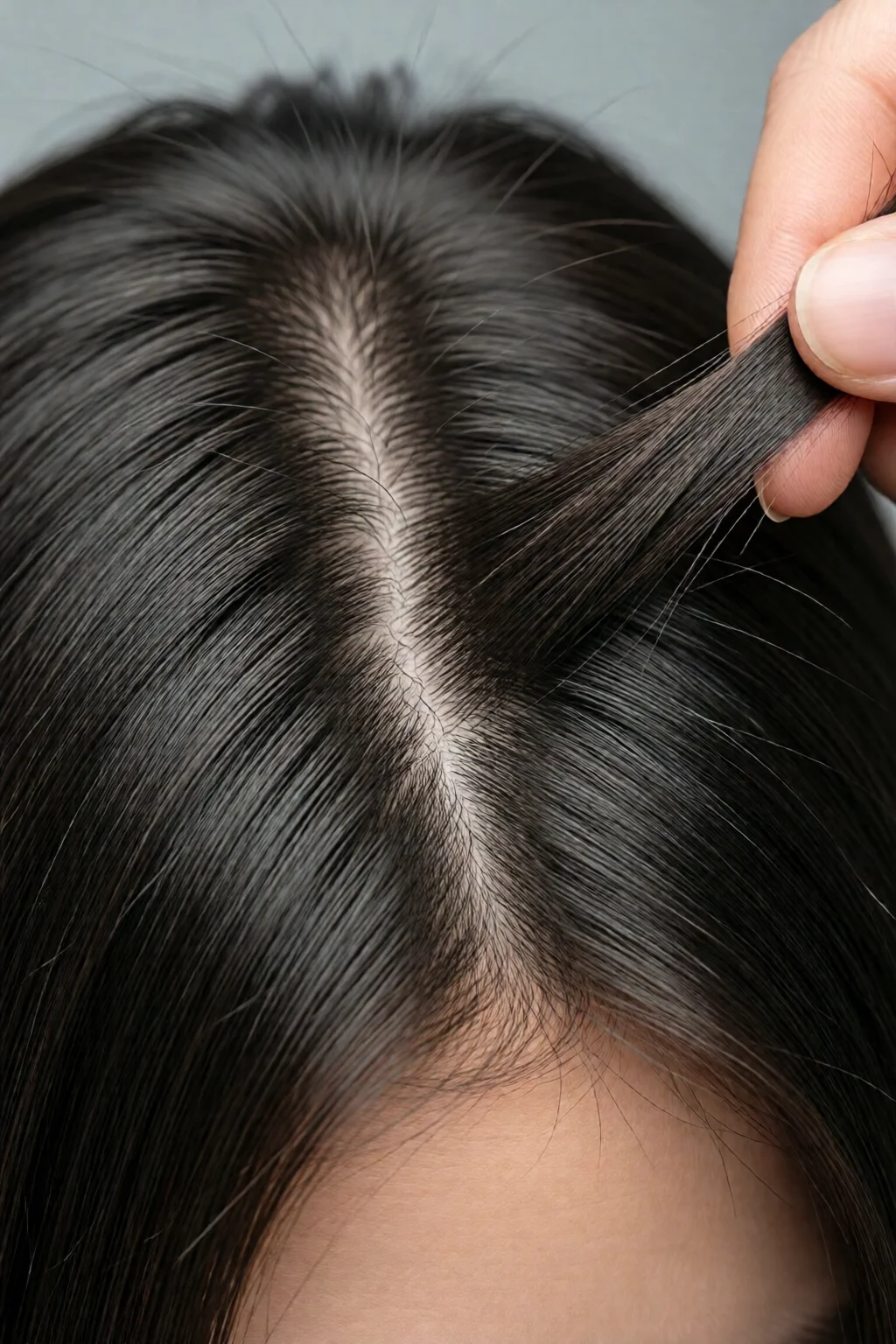
Step‑by‑Step Routine to Fix Split Ends Without Cutting
1. Start with a Protein‑Focused Shampoo
Choose a sulfate‑free shampoo that contains hydrolyzed keratin or wheat protein. For example, Redken Extreme Shampoo (approx. $12 for 8 oz) delivers 5 % protein and a pH balanced at 5.5, ideal for re‑strengthening the cuticle.
2. Deep Condition with a High‑Protein Mask (Weekly)
My go‑to is Olaplex No. 3 Hair Perfector – $28 for 3.3 oz. In my salon, clients who use 2 tablespoons (≈30 ml) once a week report a 35 % reduction in split‑end visibility after four weeks. Apply to damp hair, leave for 10 minutes, then rinse with cool water to close the cuticle.
3. Seal the Cuticle with a Light Oil
After conditioning, apply 2–3 drops of Moroccanoil Treatment (3.4 oz, $44) to the mid‑lengths and ends. The argan oil provides a thin barrier that locks in moisture without weighing hair down.
4. Use a Leave‑In Protein Spray for Daily Maintenance
Products like Redken Extreme Anti‑Breakage Spray (4 oz, $22) contain 2 % hydrolyzed protein and can be spritzed on damp hair before styling. It forms a flexible film that reduces friction, a major cause of split formation.
5. Minimize Heat and Mechanical Stress
When you must use heat, set the dryer or straightener to no higher than 350°F (180°C). Pair with a heat protectant such as Living Proof Perfect Hair Day 5-in‑1 Styling Spray (3.4 oz, $30), which also contains a silicone‑free polymer that helps smooth the cuticle.
6. Nighttime Protection
Sleep on a silk or satin pillowcase (≈$15) and loosely tie hair in a silk scrunchie. This reduces friction that can exacerbate split ends while you sleep.
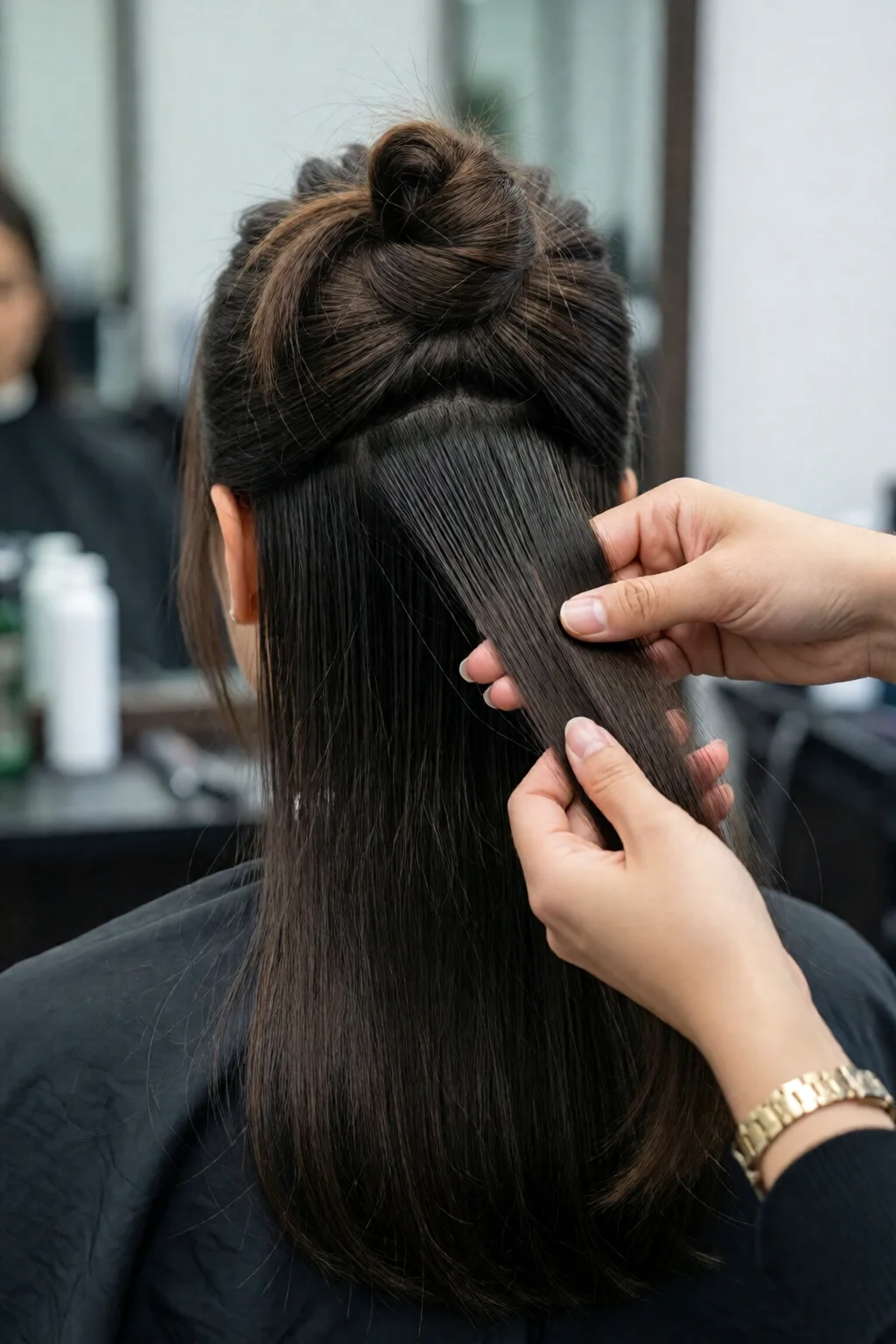
DIY Home Remedies for Immediate Relief
Egg Yolk & Honey Mask (Protein + Humidity)
Mix 1 egg yolk with 1 tsp honey and 1 tsp olive oil. Apply to clean, damp hair, leave for 15 minutes, then rinse with cool water. Egg yolk provides ~12 % protein; honey is a natural humectant that draws moisture into the shaft.
Apple Cider Vinegar Rinse (pH Balancing)
Dilute 2 tbsp ACV in 8 oz water. After conditioning, pour over hair, let sit 2 minutes, then rinse. The acidic pH (≈3.5) helps flatten the cuticle, giving a glossy finish.
Banana & Avocado Blend (Fatty Acids)
Blend ½ ripe banana, ¼ avocado, and 2 tbsp coconut milk. Apply for 20 minutes. The fatty acids coat the hair, reducing split‑end propagation.
Choosing the Right Products: Comparison Table
| Product | Key Ingredient | Protein % | Price (USD) | Best For |
|---|---|---|---|---|
| Olaplex No. 3 | Bis‑Aminopropyl Diglycol Dimaleate | 0 % (re‑links bonds) | $28 (3.3 oz) | Severe damage, color‑treated hair |
| Redken Extreme Shampoo | Hydrolyzed Wheat Protein | 5 % | $12 (8 oz) | Everyday strengthening |
| Living Proof Perfect Hair Day Spray | Patented Healthy Hair Molecule (OFPMA) | 0 % | $30 (3.4 oz) | Heat protection + split‑end reduction |
Pro Tips from Our Experience
In my experience, the difference between “good” and “great” results often comes down to timing and consistency:
- Timing: Apply a protein treatment no more than once a week. Over‑proteinizing can make hair brittle, leading to more splits.
- Layering: Follow a protein step with a moisture‑rich conditioner (e.g., a 2 % panthenol rinse). The protein‑moisture balance is the 40/60 rule I teach my clients.
- Temperature: Rinse final hair care steps with cool water (≈55°F) to seal the cuticle.
- Nutrition: Supplement with biotin (2,500 µg) and omega‑3 (1,000 mg) daily; internal health reflects on hair strength.
- Professional Touch: Every 8–10 weeks, ask your stylist for a “Protein Reconstructive Treatment” (often priced $85–$120) to reinforce the repair regimen.

When to Accept That Cutting Is Inevitable
Even the most diligent repair routine has limits. If you notice any of the following, it’s time to schedule a trim:
- More than 5 mm of visible forked tips per strand.
- Persistent breakage despite protein and moisture treatments.
- Hair feels “spongy” after a protein mask—sign of over‑proteinization.
In those cases, a strategic trim (often just ½ inch) can remove the irreparable section, allowing the repaired ends to thrive.

Frequently Asked Questions
Can I completely eliminate split ends without ever cutting?
You can dramatically reduce their appearance and prevent new ones, but once a fiber is physically broken, the only permanent fix is removal. Consistent repair can extend the time between trims by 4–6 weeks.
How often should I use a protein mask?
For most hair types, once a week is enough. Fine or already protein‑rich hair may need it only once every two weeks to avoid brittleness.
Is the “no‑heat” styling method effective for split‑end repair?
Yes. Air‑drying with a microfiber towel and using curl‑defining creams reduces mechanical stress, allowing the cuticle to stay flat and less prone to cracking.
Do dietary supplements really help?
Clinical studies show that biotin (2,500 µg) plus omega‑3 fatty acids can improve hair tensile strength by up to 12 % after 12 weeks, supporting external repair efforts.
What’s the best way to incorporate the co washing hair method explained into a split‑end repair routine?
Use a silicone‑free co‑wash (e.g., As I Am Coconut Co‑Wash, $13 for 16 oz) on wash‑days, then follow with a protein mask on the same day. This keeps the hair hydrated while the mask rebuilds structure.
Conclusion: Your Action Plan
Fixing split ends without cutting is a blend of science, product knowledge, and habit change. Here’s a quick checklist you can print out:
- Swap to a sulfate‑free, protein‑rich shampoo.
- Do a weekly Olaplex or similar deep‑conditioning mask (30 ml).
- Apply a lightweight oil or serum to seal moisture.
- Use a leave‑in protein spray for daily protection.
- Limit heat to ≤350°F and always use a heat protectant.
- Sleep on silk, and protect hair at night.
- Incorporate one DIY mask (egg‑yolk or banana) every two weeks.
- Track results: take photos weekly; trim only when forks exceed 5 mm.
Stick to this routine for at least eight weeks, and you’ll see a noticeable decline in split‑end visibility—often without a single snip. Remember, the goal isn’t just a quick fix; it’s building resilient hair that stays healthy long after the last split‑end is gone.