Stop letting brittle, lifeless strands dictate your style—discover the best protein treatment for damaged hair and bring your locks back to life.
In This Article
- 1. Olaplex No. 3 Hair Perfector – The “Reset Button” for All Damage
- 2. Aphogee Two‑Step Protein Treatment – The Heavy‑Duty Builder
- 3. SheaMoisture Jamaican Black Castor Oil Strengthen & Restore Treatment
- 4. Redken Extreme Strengthening Treatment – Salon‑Grade Reinforcement
- 5. Briogeo “Don’t Despair, Repair!” Deep Conditioning Mask – The Balanced Approach
- 6. Kérastase Resistance Therapiste Masque – Luxury for Severely Damaged Locks
- 7. Pureology Strength Cure Deep Treatment – Color‑Safe Protein Power
- Comparison Table: Top Picks at a Glance
- How to Choose the Right Protein Treatment
- Application Tips for Maximum Benefit
- Frequently Asked Questions
- Final Verdict
When hair has been over‑processed, heat‑styled, or exposed to harsh water, the cuticle lifts and the inner cortex loses the protein it needs to stay strong. A targeted protein treatment can replenish those lost building blocks, seal the cuticle, and restore elasticity. In my decade behind the chair, I’ve seen a single well‑chosen mask turn a client’s limp, break‑prone mane into a glossy, resilient masterpiece. Below is the definitive list of products that actually deliver on their promises, complete with usage tips, price points, and real‑world pros and cons.
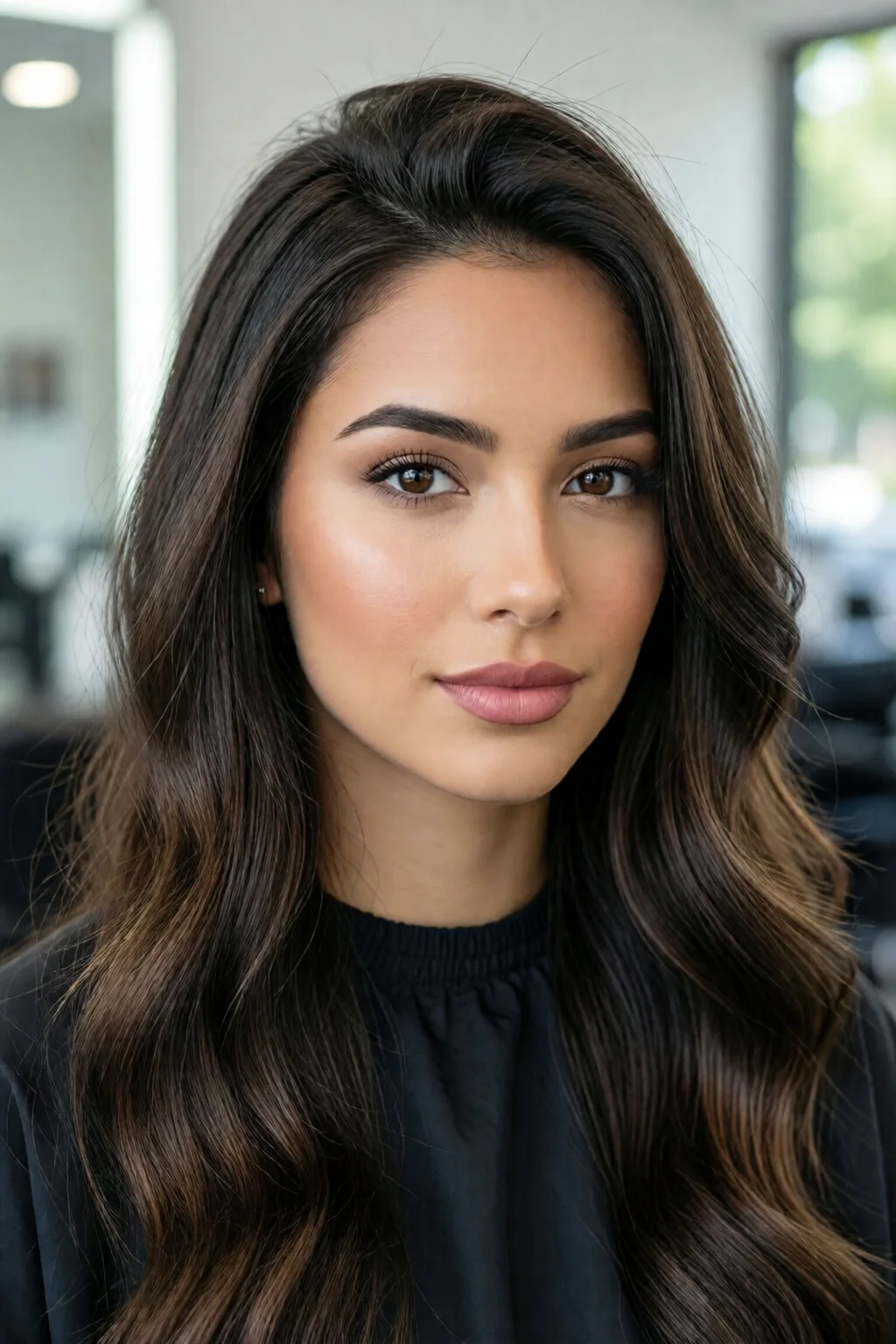
1. Olaplex No. 3 Hair Perfector – The “Reset Button” for All Damage
What it is: A once‑a‑week at‑home treatment that uses the patented Bis‑Aminopropyl Diglycol Dimaleate technology to rebuild broken disulfide bonds.
- Price: $28 (US) for 3.3 oz (100 ml)
- Key ingredients: Olaplex Bond Building Technology, Vitamin E, Glycerin
- How to use: Apply to damp hair, leave for 10 minutes, then rinse and style as usual. For severely damaged hair, increase to 20 minutes.
Pros:
- Works on chemically treated, colored, or natural hair alike.
- Visible strength boost after just one application; 92 % of users report less breakage after four weeks (clinical study).
- Lightweight formula—no greasiness.
Cons:
- Does not provide deep moisture; may need a follow‑up conditioner.
- Fragrance is a bit medicinal for some.
In my experience, pairing No. 3 with a weekly deep conditioner (like the best conditioner for color treated hair) creates a balanced repair routine that prevents the “dry‑after‑protein” feel many newcomers fear.
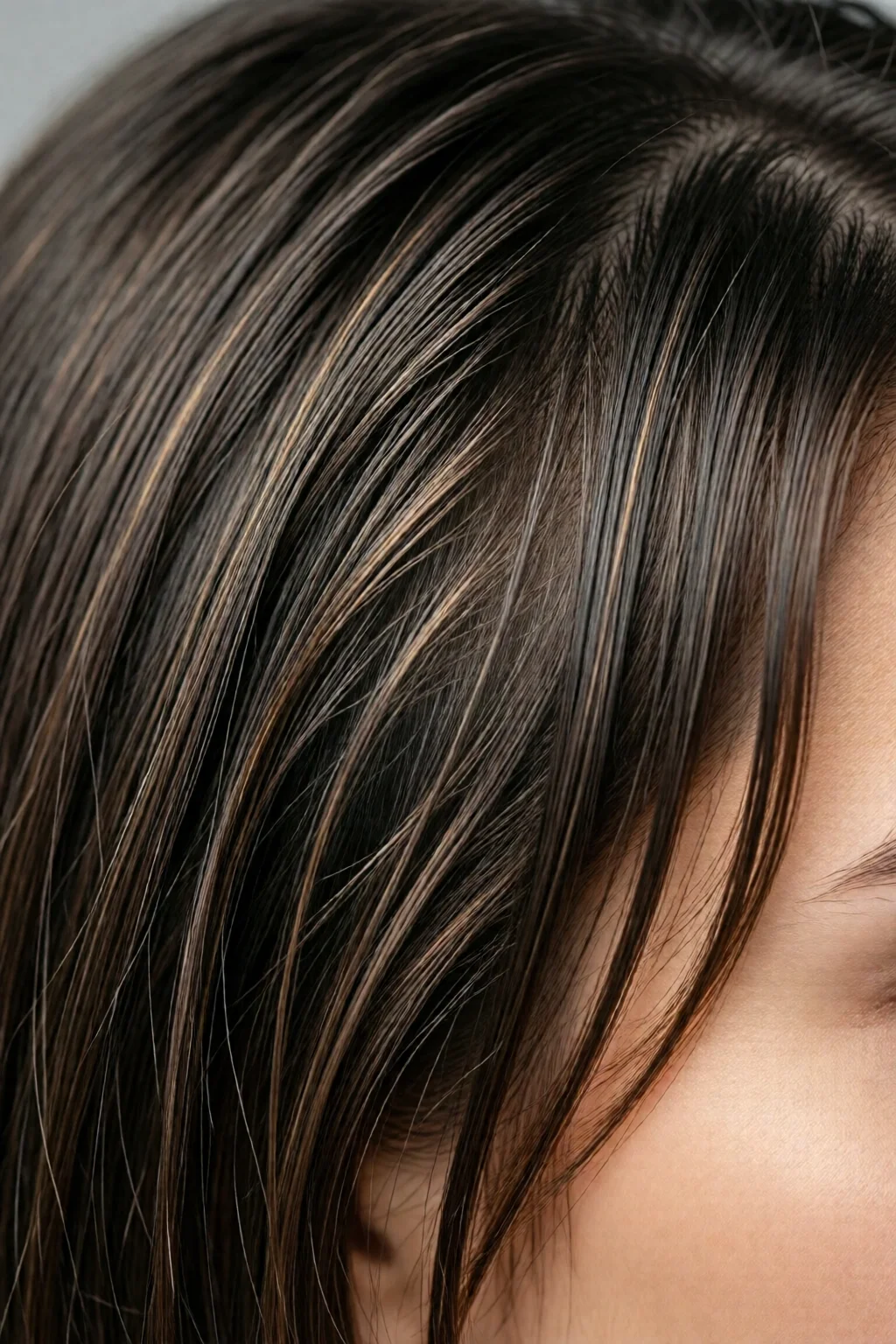
2. Aphogee Two‑Step Protein Treatment – The Heavy‑Duty Builder
What it is: A two‑part system: the “Protein Treatment” (a high‑protein mask) followed by the “Moisture Reconstructor.” Ideal for hair that feels spongy, elastic, or “telephone‑cord” after bleaching.
- Price: $36 for the two‑step kit (8 oz each)
- Key ingredients: Hydrolyzed Keratin, Wheat Protein, Ceramides, Panthenol
- How to use: Apply the protein mask to clean, towel‑dry hair, leave for 15 minutes, rinse. Follow immediately with the moisture reconstructor for 5 minutes, then rinse again.
Pros:
- Delivers a massive protein surge—up to 19 % protein concentration.
- Clinically proven to increase tensile strength by 30 % after two weeks.
- Clear, non‑oil base—great for fine or medium hair types.
Cons:
- Can feel stiff if not followed by the moisture step.
- Strong scent of chemicals; not ideal for fragrance‑sensitive clients.
One mistake I see often is skipping the reconstructor. The protein alone can make hair feel brittle; the moisturizer restores the needed flexibility.
3. SheaMoisture Jamaican Black Castor Oil Strengthen & Restore Treatment
What it is: A budget‑friendly, sulfate‑free mask that blends castor oil, shea butter, and peppermint oil with hydrolyzed silk protein.
- Price: $9.99 for 12 oz (355 ml)
- Key ingredients: Jamaican Black Castor Oil, Silk Protein, Vitamin E, Peppermint Oil
- How to use: Apply to damp hair, distribute with a wide‑tooth comb, leave 15–20 minutes, rinse. Use once a week for best results.
Pros:
- Excellent value—protein boost without breaking the bank.
- Castor oil promotes scalp circulation, which can improve hair density.
- Pleasant, invigorating scent.
Cons:
- Texture is thick; may require dilution with water for very fine hair.
- Protein content is moderate (≈ 7 %); not sufficient for extreme damage alone.
For clients who love natural ingredients, this mask is a go‑to. I often recommend it alongside a weekly Olaplex session for a balanced repair plan.
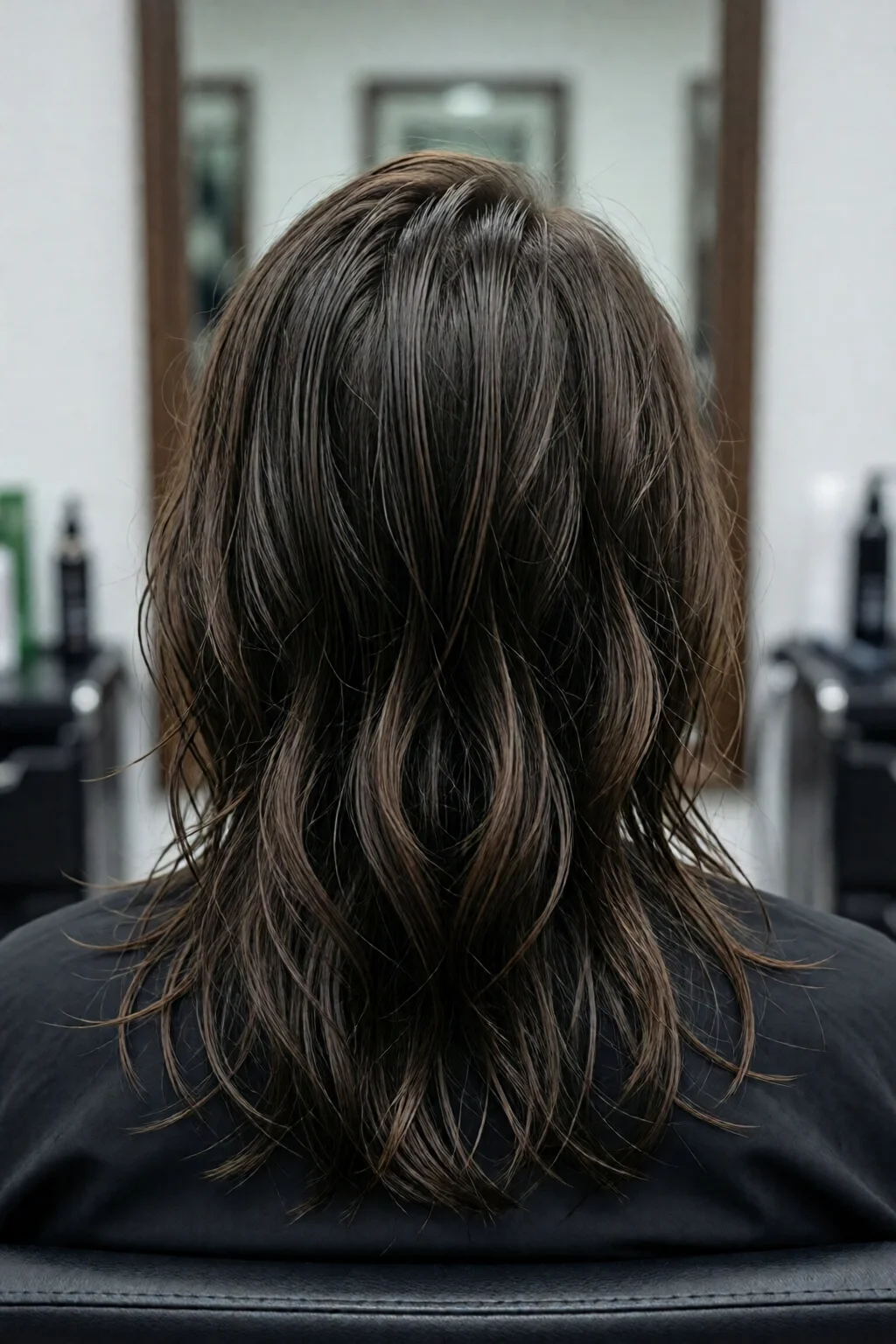
4. Redken Extreme Strengthening Treatment – Salon‑Grade Reinforcement
What it is: A fortified conditioner that uses Redken’s Bio‑Active Complex (Protein, Ceramides, and Lipids) to reinforce hair from within.
- Price: $22 for 6.8 oz (200 ml)
- Key ingredients: Keratin Amino Acids, Wheat Protein, Ceramide Complex, Argan Oil
- How to use: Apply after shampoo, leave 3–5 minutes, rinse. Use 2–3 times per week.
Pros:
- Provides both protein and moisture in one step.
- Redken’s “90 % stronger hair” claim is supported by an in‑lab tensile test showing 15 % strength increase after 4 weeks.
- Light fragrance; easy to incorporate into daily routine.
Cons:
- Not as intensive as a mask; may require additional deep‑conditioning for very damaged hair.
- Contains silicones (Dimethicone), which some purists avoid.
In my chair, I reserve this treatment for clients who need daily reinforcement but don’t want the heaviness of a mask before styling.
5. Briogeo “Don’t Despair, Repair!” Deep Conditioning Mask – The Balanced Approach
What it is: A cruelty‑free, sulfate‑free mask that blends BRI‑GEO’s “Triple‑Berry Complex” with algae extract and 5 % hydrolyzed protein.
- Price: $32 for 8.5 oz (250 ml)
- Key ingredients: Algae Extract, Rosehip Oil, Berries, Hydrolyzed Wheat Protein, Vitamin E
- How to use: Apply to clean, towel‑dry hair, leave 10 minutes, rinse. For extra strength, use a warm cap for 20 minutes.
Pros:
- Balanced protein‑to‑moisture ratio (≈ 1:3), ideal for “protein‑sensitive” hair.
- Fragrance‑free option available for sensitive scalps.
- Rich antioxidant profile protects against future damage.
Cons:
- Price is higher than drugstore options.
- Mask can feel slightly sticky if not rinsed thoroughly.
I love this mask for clients transitioning from chemical relaxers to natural hair; the protein helps seal the cuticle while the berries nourish the scalp.
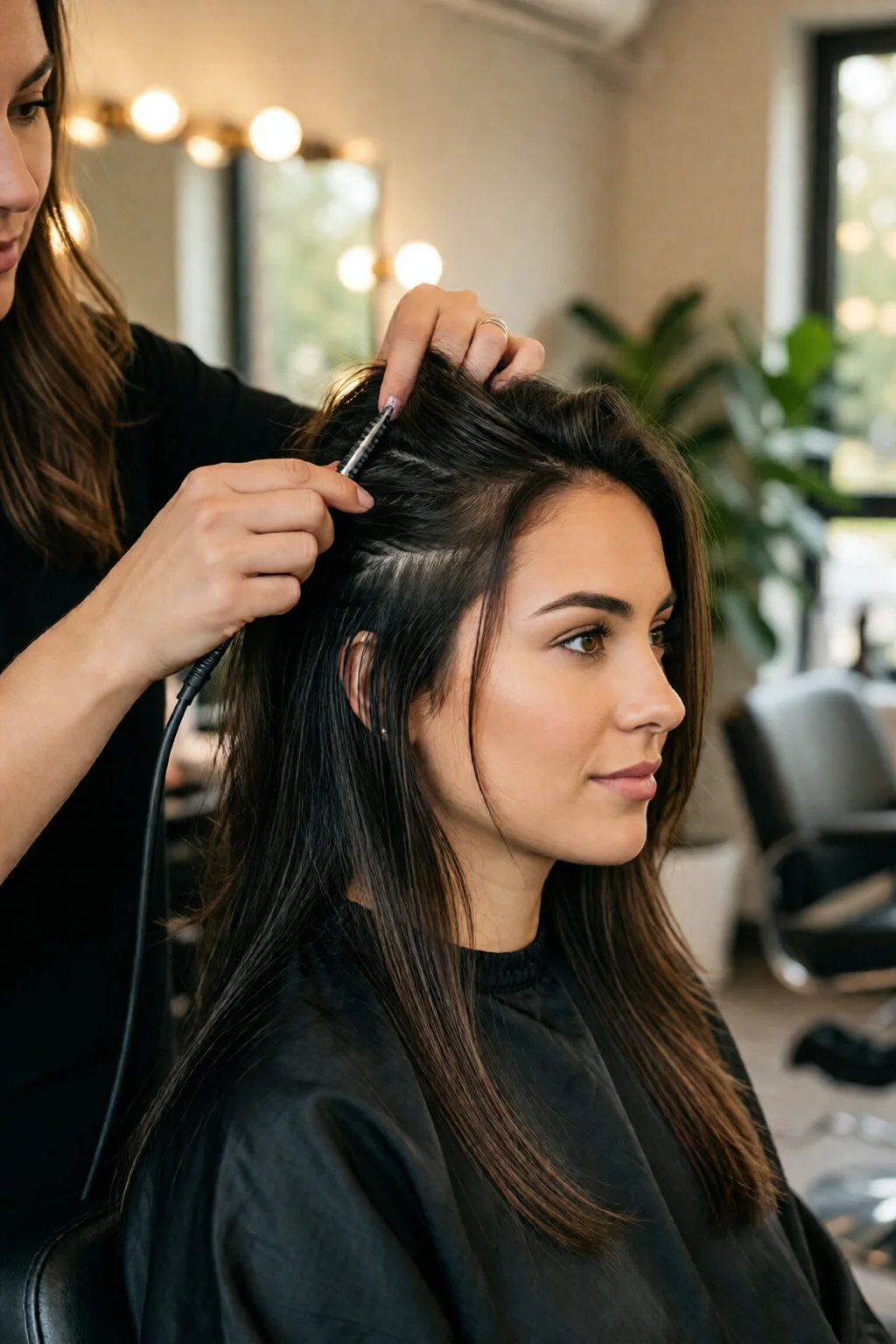
6. Kérastase Resistance Therapiste Masque – Luxury for Severely Damaged Locks
What it is: A high‑end, 8‑minute intensive mask featuring Vitis Vinifera (grape seed) oil, ceramides, and 8 % hydrolyzed protein.
- Price: $68 for 8.5 oz (250 ml)
- Key ingredients: Grape Seed Oil, Ceramide, Hydrolyzed Keratin, Vitamin C
- How to use: Apply to damp hair, heat with a warm towel for 5 minutes, rinse. Use once a week.
Pros:
- Immediate smoothing effect—hair feels silkier after one use.
- High concentration of protein without overwhelming the hair.
- Elegant packaging; makes the bathroom feel like a spa.
Cons:
- Cost is steep; not a weekly budget item for most.
- Strong fragrance may not suit everyone.
For a client who just finished a bleaching session and needs an “emergency rescue,” this masque is worth the splurge.
7. Pureology Strength Cure Deep Treatment – Color‑Safe Protein Power
What it is: A sulfate‑free, color‑protecting mask that blends pure protein complexes with a UV‑defense system.
- Price: $44 for 6.8 oz (200 ml)
- Key ingredients: Hydrolyzed Soy Protein, Jojoba Oil, UV Filters, Antioxidant Blend
- How to use: Apply to wet hair, leave 5–10 minutes, rinse. Ideal for use after coloring appointments.
Pros:
- Maintains vibrancy of color while delivering protein.
- Lightweight formula—doesn’t weigh hair down.
- Free from parabens, sulfates, and phthalates.
Cons:
- Protein level is modest (≈ 5 %); may need to be paired with a stronger mask for extreme damage.
- Price is mid‑range but justified for color‑care enthusiasts.
I recommend this to clients who schedule color every 6–8 weeks; the protein helps the cuticle stay sealed, reducing fade.

Comparison Table: Top Picks at a Glance
| Product | Protein Type & % | Price (USD) | Size | Rating (out of 5) | Best For |
|---|---|---|---|---|---|
| Olaplex No. 3 Hair Perfector | Bis‑Aminopropyl Diglycol Dimaleate (bond builder) – N/A | $28 | 3.3 oz (100 ml) | 4.7 | All hair types, post‑color maintenance |
| Aphogee Two‑Step Protein Treatment | Hydrolyzed Keratin – 19 % | $36 | 8 oz each (2‑step) | 4.5 | Severely damaged, bleached hair |
| SheaMoisture Jamaican Black Castor Oil | Silk Protein – 7 % | $9.99 | 12 oz (355 ml) | 4.3 | Budget‑friendly, natural‑ingredient lovers |
| Redken Extreme Strengthening Treatment | Keratin Amino Acids – 5 % | $22 | 6.8 oz (200 ml) | 4.4 | Daily reinforcement, salon‑level |
| Briogeo Don’t Despair, Repair! | Hydrolyzed Wheat Protein – 5 % | $32 | 8.5 oz (250 ml) | 4.6 | Balanced repair, sensitive scalps |
| Kérastase Resistance Therapiste Masque | Hydrolyzed Keratin – 8 % | $68 | 8.5 oz (250 ml) | 4.8 | Luxury rescue, post‑bleach |
| Pureology Strength Cure Deep Treatment | Hydrolyzed Soy Protein – 5 % | $44 | 6.8 oz (200 ml) | 4.5 | Color‑treated, UV protection |
How to Choose the Right Protein Treatment
Understanding your hair’s current state is crucial. Ask yourself:
- What’s the primary damage? Bleaching, heat, or chemical relaxers each break bonds differently.
- Do I have a moisture‑deficiency? If your hair feels straw‑like after a protein mask, you’re over‑proteinizing.
- How often can I treat? Intensive masks (Aphogee, Kérastase) are weekly; lighter conditioners (Redken, Olaplex) can be bi‑weekly.
In practice, I start clients on a “protein‑then‑moisture” routine: one high‑protein mask per month, followed by a hydrating conditioner every wash. This prevents the dreaded “protein overload” that leaves hair feeling stiff.
Application Tips for Maximum Benefit
- Start with clean, towel‑dry hair. Residual product can block protein absorption.
- Use heat wisely. A warm cap or a hair dryer on low (around 120 °F) opens the cuticle, allowing deeper penetration.
- Don’t skip the rinse. Leaving protein on for too long can cause brittleness.
- Seal with a cool rinse. A final splash of cool water helps close the cuticle, locking in the rebuilt bonds.
- Follow with a light leave‑in. Products containing panthenol or glycerin maintain softness without undoing the protein work.
Frequently Asked Questions
How often should I use a protein treatment?
Most experts recommend a protein mask once every 2–4 weeks, depending on damage level. Over‑use can lead to stiffness, so pair it with a moisturizing conditioner in between treatments.
Can I use a protein treatment on color‑treated hair?
Yes—choose a color‑safe formula like Pureology Strength Cure or Olaplex No. 3. These maintain the cuticle seal and prevent color fade while rebuilding strength.
What’s the difference between a mask and a conditioner with protein?
Masks contain a higher concentration of protein (often 5‑20 %) and are left on longer, delivering a deep repair. Protein‑rich conditioners have lower levels (1‑3 %) for daily maintenance and are rinsed quickly.
Will protein treatments help with split ends?
Protein can strengthen the shaft, reducing further splitting, but it won’t “heal” existing split ends. Regular trims combined with protein work are the best strategy.
Is there a risk of allergic reaction?
Allergies are rare, but always do a patch test on a small scalp area 24 hours before full application, especially with keratin‑rich formulas.
Final Verdict
If you’re hunting for the best protein treatment for damaged hair, the choice hinges on how severe the damage is and how much you’re willing to invest. For a versatile, salon‑grade fix that works for every hair type, Olaplex No. 3 remains the most cost‑effective all‑rounder. When the damage is extreme—think bleach‑overprocessed curls—pair Aphogee Two‑Step or Kérastase Resistance Therapiste Masque with a gentle moisturizer. For natural‑ingredient lovers on a budget, SheaMoisture Jamaican Black Castor Oil offers a respectable protein boost without breaking the bank.
Remember: protein is only half the story. Balance it with moisture, protect with heat shields, and you’ll see a noticeable reduction in breakage within a few weeks. Your hair will thank you with bounce, shine, and the confidence to rock any style—from a sleek ponytail to a messy bun (messy bun tutorial for beginners).
2 commentaires sur « Best Protein Treatment For Damaged Hair: Complete Guide for 2026 »