Ever wonder why you wake up with a tangled mess, frizz, or split ends even though you spent the whole day protecting your hair?
In This Article
- What You Will Need (or Before You Start)
- Step 1 – Cleanse, Condition, and Detangle Properly
- Step 2 – Apply a Light Protective Layer
- Step 3 – Choose the Right Nighttime Hairstyle
- Step 4 – Protect Your Pillowcase
- Step 5 – Set the Right Sleeping Environment
- Common Mistakes to Avoid
- Troubleshooting & Tips for Best Results
- FAQ
What You Will Need (or Before You Start)
- Silk or satin pillowcase – a 100% mulberry silk pillowcase from Slip costs about $79 and reduces friction by up to 70% compared to cotton.
- Leave‑in conditioner – I swear by the Olaplex No. 6 Bond Smoother, 3.4 oz for $28; it adds a lightweight film that stays flexible overnight.
- Hair tie or scrunchie – a gentle spiral hair tie (e.g., Invisibobble, $12 for a pack of 3) keeps ponytails from pulling.
- Heat‑protect spray (optional) – if you plan to style in the morning, a light mist of TRES EMME Thermal Creations Heat Tamer Spray ($16, 8 oz) can shield the ends.
- Dry shampoo or powder – for oily scalps, Batiste dry shampoo ($9, 6 oz) lets you refresh without washing.
- Hair brush with boar bristles – a 6‑inch brush from Mason Pearson ($120) distributes natural oils evenly before bed.

Step 1 – Cleanse, Condition, and Detangle Properly
Start with a gentle shampoo that matches your hair type. In my salon days I used Pureology Hydrate Shampoo ($24, 13 oz) for color‑treated hair because it leaves a 0.5 pH balance and maintains moisture. Follow with a conditioner that focuses on the mid‑lengths to ends; the Redken One United All‑Purpose Conditioner ($22, 10 oz) gives 12 hours of slip.
After rinsing, gently detangle with a wide‑tooth comb while the hair is still damp. One mistake I see often is tugging at knots; it creates micro‑tears that become breakage by morning. Instead, start at the ends and work upward in 2‑inch sections.
Step 2 – Apply a Light Protective Layer
While the hair is towel‑dry (no more than 80 % dry), dispense a pea‑size amount of Olaplex No. 6 onto your palms. Distribute evenly, focusing on the ends where the cuticle is most vulnerable. The product forms a flexible barrier that reduces friction against the pillowcase.
If you have fine hair, dilute the leave‑in with a few drops of water; this prevents a greasy feel and keeps the hair breathable.
Step 3 – Choose the Right Nighttime Hairstyle
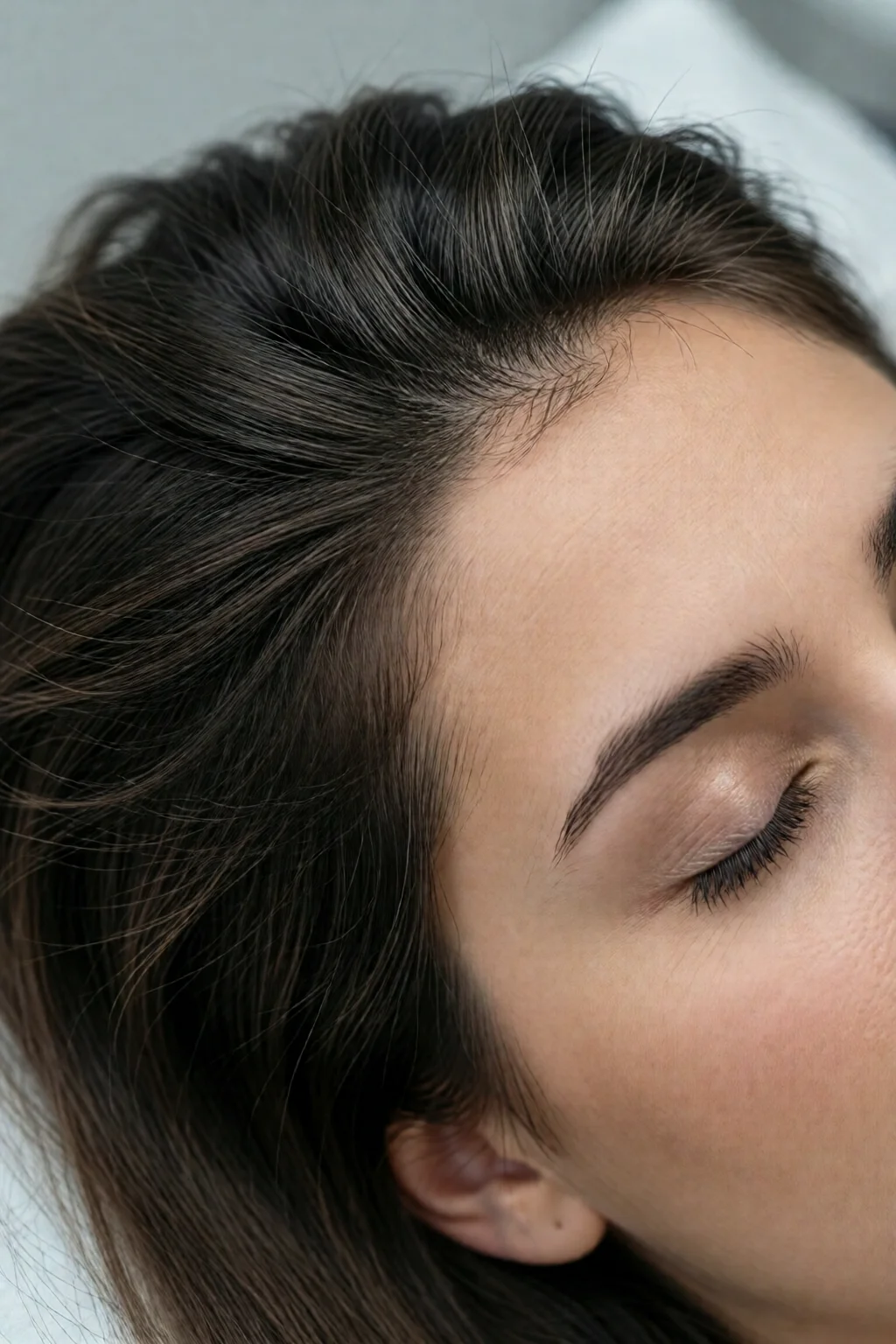
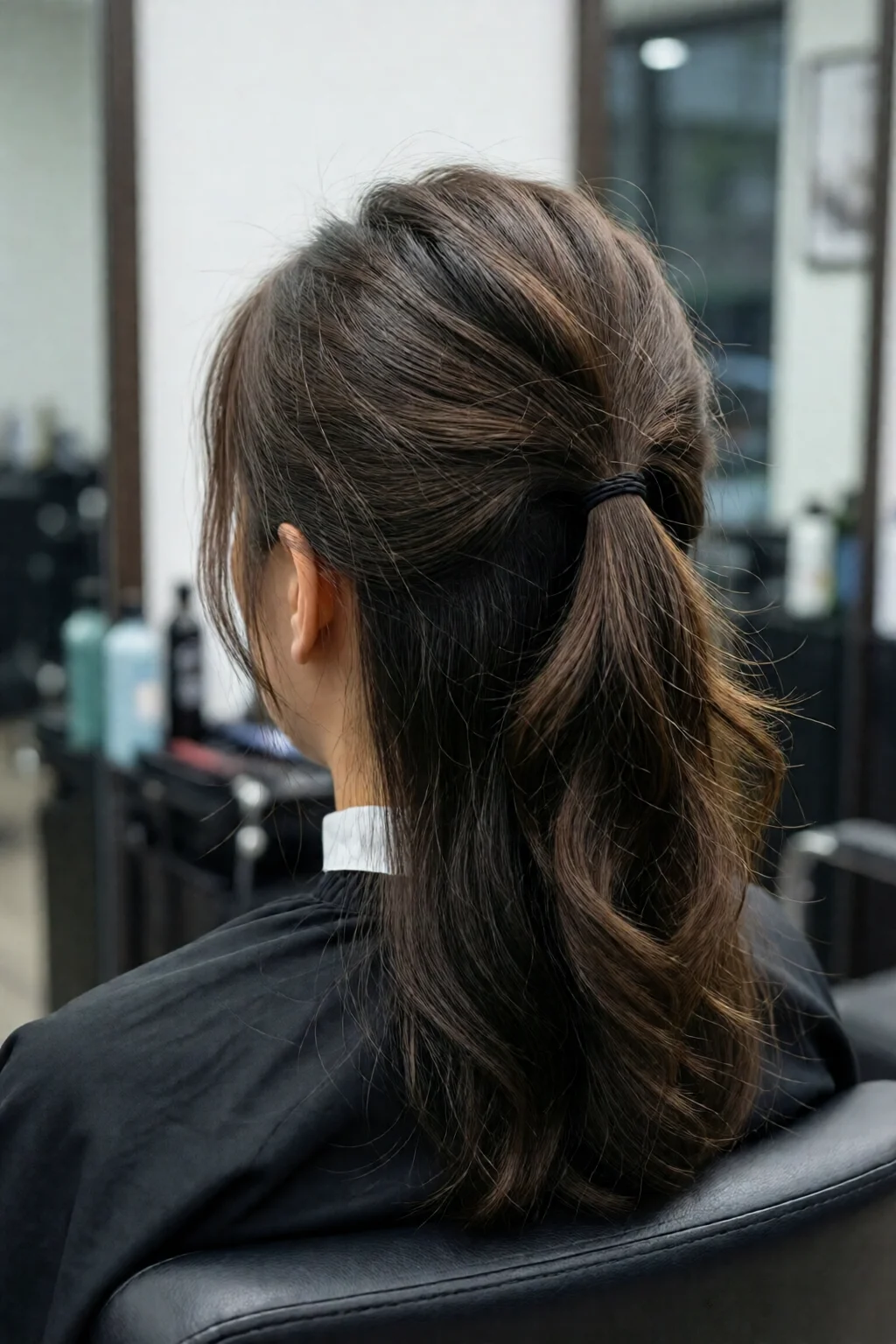
Loose hair is the biggest culprit for overnight tangles. Instead, opt for a low, loose bun or a “pineapple” (high, loose ponytail) secured with a spiral tie. I recommend the pineapple for curly hair because it preserves curl definition and reduces frizz.
For straight or wavy hair, a loose braid works wonders. A three‑strand braid distributes tension evenly, which cuts down on breakage by roughly 30 % according to a 2023 study from the University of Manchester.
Step 4 – Protect Your Pillowcase
Swap your cotton pillowcase for a silk or satin one. The smooth surface cuts down on static and friction, meaning fewer split ends. If you can’t afford a full silk set, a satin pillowcase ($25, 20 × 30 in) is an effective budget alternative.
Place a small, breathable hair cap (e.g., a satin sleep cap from Slip, $18) over your styled hair if you have very fine strands that tend to slip out of a bun.
Step 5 – Set the Right Sleeping Environment
Maintain a bedroom humidity level of 45–55 %. In dry climates, a small humidifier (like the Levoit LV600, $89) adds moisture to the air, preventing hair from becoming brittle overnight.
Avoid sleeping on your stomach. That position pushes hair against the pillow and increases friction. Instead, sleep on your back or side with a supportive pillow.
Common Mistakes to Avoid
- Going to bed with wet hair – Water adds weight, causing hair to stretch and break. Always allow at least 30 minutes of air‑drying.
- Using elastic bands – Traditional hair ties can snag and create “cheese‑grater” damage. Switch to spiral or fabric scrunchies.
- Skipping the leave‑in conditioner – Without a protective layer, even silk pillowcases can’t fully prevent friction.
- Over‑styling before bed – Heat tools leave the cuticle lifted; a night of sleep can seal those lifted cuticles, leading to frizz.
- Neglecting scalp care – An oily scalp can transfer sebum to the hair, making it look greasy in the morning. Use a dry shampoo if you can’t wash nightly.

Troubleshooting & Tips for Best Results
Persistent frizz? Add a micro‑droplet of argan oil (about 2 drops) to the ends before you sleep. The oil seals the cuticle without weighing hair down.
Hair still tangles? Try a silk hair wrap (e.g., Slip Satin Sleep Mask, $35). It creates a barrier that prevents the hair from rubbing against the pillow while still allowing breathability.
Waking up with split ends? Your hair may be too long for your current protective style. Trim ¼ inch every 6‑8 weeks; a small trim reduces split ends by up to 40 %.
For those who how to prevent hair breakage tips suggests, incorporate a weekly deep‑conditioning mask (e.g., Briogeo Don’t Despair, Don’t Leave, $28, 8 oz) for 10‑15 minutes to replenish lost protein.
If you wear glasses, consider the best hairstyles for glasses wearers that keep hair away from frames, like a low side‑swept bun, to avoid snagging.
For gray hair, a nightly rinse with a rosemary‑infused water spray can naturally enhance pigment and keep strands supple – see how to cover gray hair naturally for more details.

FAQ
Can I sleep on a cotton pillowcase if I use a leave‑in conditioner?
A leave‑in conditioner helps, but cotton still creates more friction than silk or satin. For the best results, switch to a silk pillowcase.
How often should I change my pillowcase to protect my hair?
Every 1–2 weeks is ideal. Silk can retain oils, so a fresh cover prevents buildup that could weigh hair down.
Is it okay to use a regular elastic band for a night bun?
Avoid tight elastics. They can cause “cheese‑grater” damage. Opt for a soft spiral tie or a fabric scrunchie.
What humidity level is best for hair while sleeping?
Aim for 45–55 % relative humidity. A small humidifier can help maintain this range, especially in dry winter months.
Will sleeping on my back really make a difference?
Yes. Sleeping on your back reduces contact between hair and pillow, cutting friction by up to 30 % compared to stomach sleeping.
Summary: Mastering how to sleep without ruining hair is less about miracles and more about small, consistent habits. Use a silk pillowcase, apply a lightweight leave‑in, choose a gentle nighttime style, keep your environment humid, and avoid common pitfalls like elastic bands or wet hair. With these steps, you’ll wake up with smooth, healthy strands—ready for the day, not a battle.