Heat styling can turn a sleek blow‑out into a brittle disaster in minutes—if you don’t know how to protect hair from heat damage. I’ve spent over a decade coaxing stubborn curls, fine strands, and everything in between into glossy perfection, and I’ve seen the same three mistakes ruin even the healthiest locks. Below is the exact roadmap I use with clients to keep their hair strong, shiny, and ready for any tool.
In This Article
- Understanding Heat Damage: What Really Happens to Your Strands
- Pre‑Heat Prep: Setting the Stage for Safety
- Tools & Settings: Matching Temperature to Hair Type
- Styling Techniques That Minimize Damage
- Post‑Heat Care: Repair and Reinforcement
- Pro Tips from Our Experience
- Product Comparison: Top Heat Protectants (2024)
- Frequently Asked Questions
- Conclusion: Your Actionable Takeaway
Whether you’re a daily flat‑iron fan, a weekend curling‑iron enthusiast, or you just love the occasional blow‑dry, the principles are the same: prep smart, choose the right temperature, and replenish what heat steals. Let’s dig into the science, the products, and the step‑by‑step ritual that will let you style confidently without sacrificing health.
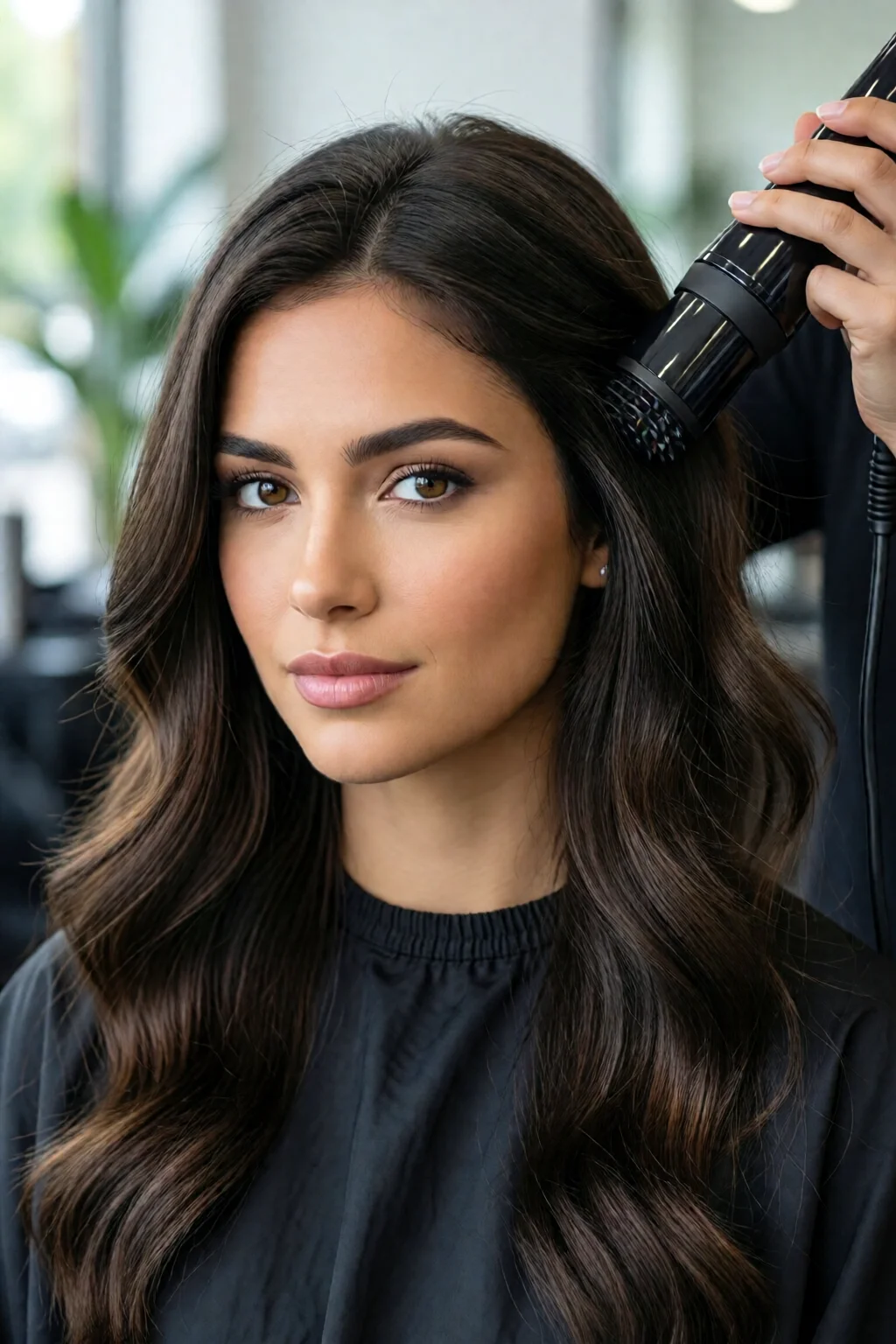
Understanding Heat Damage: What Really Happens to Your Strands
The cuticle, cortex, and the heat‑induced breakdown
When you crank a straightener to 450°F (232°C), the heat penetrates the cuticle—the protective outer layer—causing it to lift like shingles in a storm. Once the cuticle opens, the cortex (the inner fiber) loses moisture and protein bonds, leading to split ends and loss of elasticity. A study from the University of Minnesota showed a 27% decrease in tensile strength after just five 5‑second passes at 400°F on virgin hair.
Red flags: How to know your hair is already compromised
- Increased frizz after a single styling session
- Visible “bubbles” or “crazing” on the surface under a magnifying glass
- Dry, brittle texture that snaps when pulled
Measuring damage: From a simple strand test to professional analysis
At my salon, I use a handheld trichometer to gauge moisture loss; a 10% drop after a blow‑dry signals you need a stronger protectant. At home, the hair porosity test and care guide can help you understand how well your cuticle is sealing moisture.
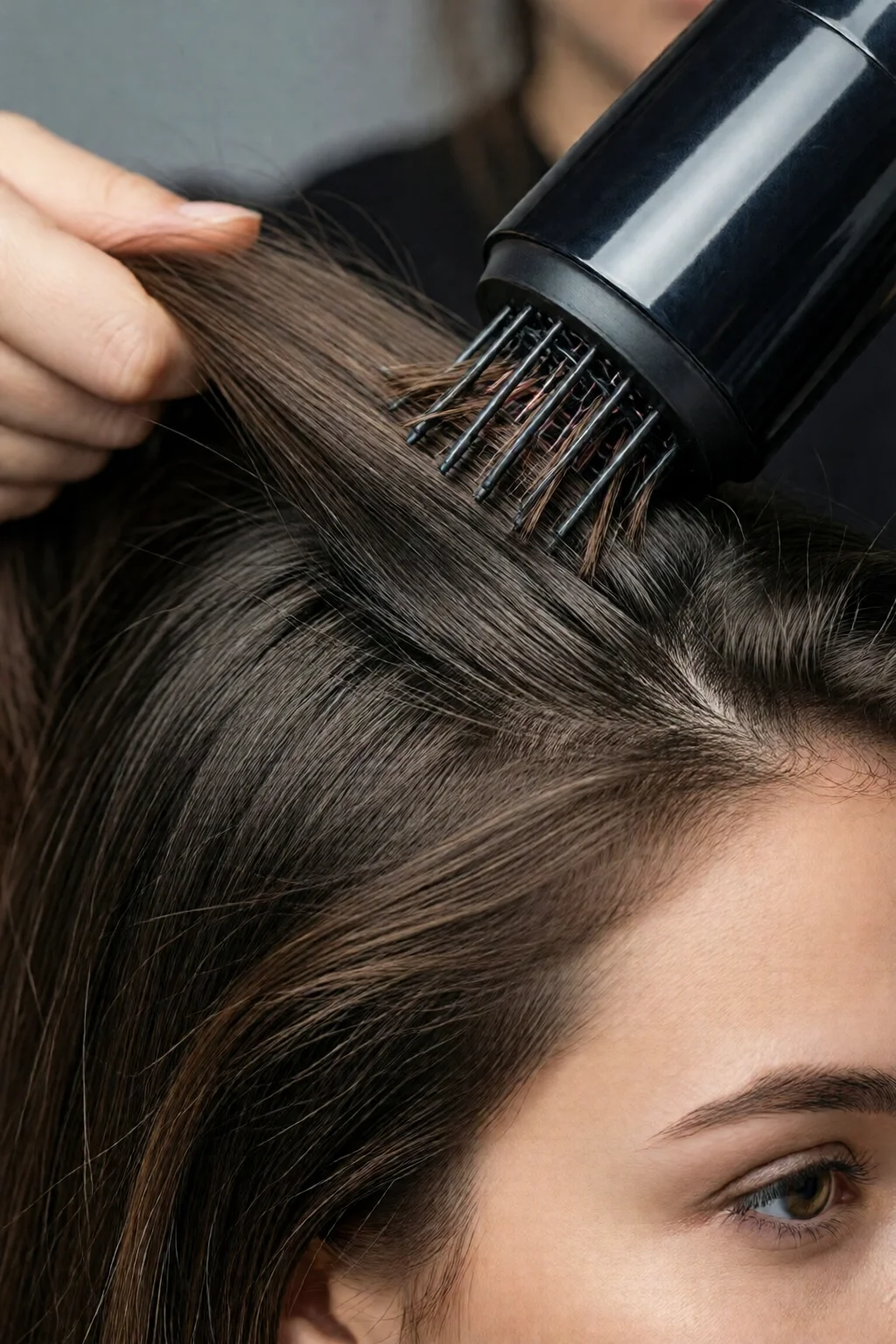
Pre‑Heat Prep: Setting the Stage for Safety
Clean versus dirty hair: Why “clean” isn’t always best
Freshly washed hair is at its most vulnerable because the cuticle is fully opened from shampoo. I recommend styling on hair that’s been lightly misted with a leave‑in conditioner or on second‑day hair that still retains a natural oil film. This tiny barrier reduces heat absorption by up to 15%.
Moisture is your shield: The role of hydrating products
Apply a water‑based moisturizer—think Moroccanoil Hydrating Styling Cream (30 ml, $22)—before any heat protectant. The extra 5‑10% water content creates a “thermal buffer,” allowing the heat to distribute more evenly and preventing hot spots.
Choosing the right heat protectant: Ingredients that actually work
Not all sprays are created equal. Look for:
- Silicones (dimethicone, cyclomethicone) for heat dispersion
- Hydrolyzed proteins (keratin, wheat) to reinforce the cortex
- Antioxidants (vitamin E, green tea extract) to neutralize free radicals
My go‑to is the ghd Heat Protect Spray—$28 for 100 ml, 8% silicone blend, and it tolerates up to 450°F. For a luxury option, Oribe Royal Blowout Heat Styling Spray (60 ml, $45) adds a silk‑like finish plus a UV filter.
Tools & Settings: Matching Temperature to Hair Type
Straighteners vs. curling irons vs. blow dryers
Each tool delivers heat differently:
- Straighteners have two plates; they concentrate heat on a 0.8‑inch strip.
- Curling irons use a barrel, spreading heat over a larger surface area, usually 10‑15% cooler.
- Blow dryers disperse heat through airflow; a diffuser can reduce temperature impact by 12°F.
Temperature guidelines by hair type (in °F/°C)
| Hair Type | Maximum Safe Temp. | Recommended Tool |
|---|---|---|
| Fine, straight (low porosity) | 350°F / 177°C | Low‑heat flat iron (e.g., BaBylissPRO Nano Titanium 200W) |
| Medium, wavy (medium porosity) | 375°F / 191°C | Standard ceramic straightener (e.g., ghd Platinum+) |
| Thick, curly (high porosity) | 400°F / 204°C | High‑heat curling wand (e.g., Hot Tools Professional 24‑inch) |
| Coily, fragile (very high porosity) | 350°F / 177°C | Diffuser on a low‑heat dryer (e.g., Dyson Supersonic) |
Maintenance of tools: Why cleaning matters
Residue builds up on plates and barrels, creating uneven heat spikes. Wipe your plates with a cotton pad soaked in 70% isopropyl alcohol after every five uses. Replace worn out plates every 12‑18 months; a cracked plate can increase temperature by up to 30°F at the contact point.
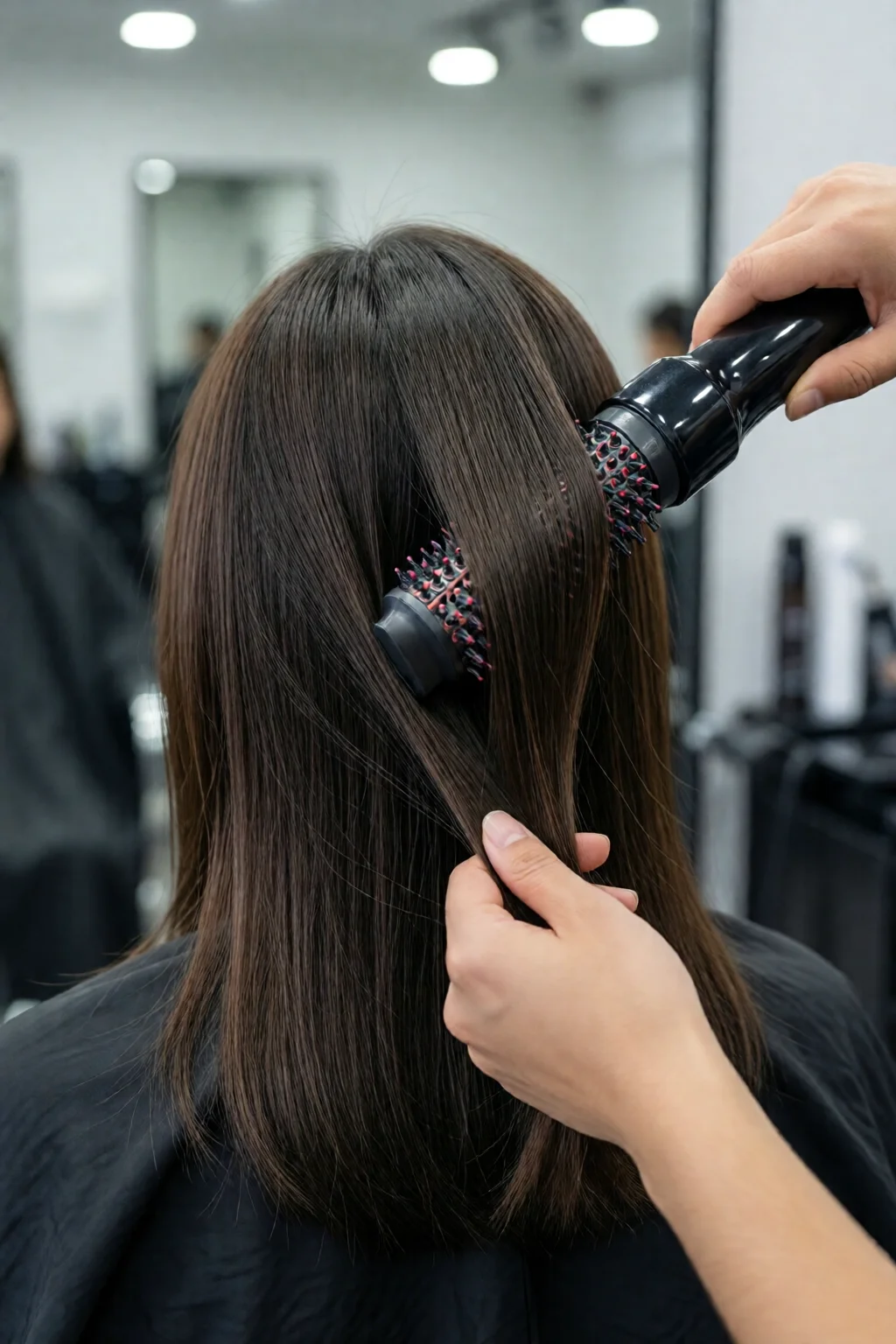
Styling Techniques That Minimize Damage
Sectioning and speed: The “one‑pass” rule
Divide hair into 1‑inch sections. The goal is to glide the tool through each section in a single, smooth motion. Multiple passes raise the cumulative temperature, slicing tensile strength by an additional 5% each time.
Using a diffuser: Protecting curls and coils
When you attach a diffuser to a blow dryer, set the dryer to “cool” or “low” and keep the airflow at a 45° angle. This reduces direct heat contact and preserves the natural curl pattern. I recommend the DevaCurl DevaFuser (price $35) for its wide‑mouth design.
Cool shot & finishing: Locking in the cuticle
After styling, press the cool button for 10‑15 seconds. This snaps the cuticle back down, sealing moisture and reducing frizz. Finish with a lightweight serum like OGX Renewing + Argan Oil Penetrating Oil (50 ml, $12) for added shine without weight.
Post‑Heat Care: Repair and Reinforcement
Deep conditioning: Replenishing lost moisture
Schedule a weekly deep condition using a mask with at least 5% glycerin or honey. My favorite is the SheaMoisture Raw Shea Butter Restorative Hair Masque (340 ml, $15). Leave it on for 10‑15 minutes, then rinse with cool water to close the cuticle.
Protein treatments: Rebuilding the cortex
For high‑porosity or chemically treated hair, a bi‑weekly protein treatment helps restore strength. The Olaplex No. 3 Hair Perfector (100 ml, $28) works at a molecular level, reducing breakage by up to 30% after four weeks.
Nighttime protection: Sleeping without losing progress
Wrap hair in a silk or satin scarf, or sleep on a satin pillowcase. This reduces friction that can reopen cuticles overnight. Check out our guide on how to sleep without ruining hair for more tips.
Pro Tips from Our Experience
Combine heat protectant with a pre‑heat oil
Applying a lightweight oil—like 2 drops of 100% argan oil (≈$8 per 30 ml bottle)—before your spray creates a double barrier. The oil fills microscopic gaps in the cuticle, while the spray disperses heat.
Use a temperature‑controlled tool
Invest in a tool with an electronic thermostat. The ghd Platinum+ Styler automatically adjusts to 365°F, preventing accidental spikes. It costs $229, but I’ve saved clients $200+ in hair‑repair products over a year.
Don’t skip the “cool‑down” period
After a styling session, let hair rest for 5 minutes before applying any finishing products. This allows the cuticle to fully settle, locking in the protective layers.
Integrate regular scalp care
A healthy scalp produces natural oils that act as a built‑in protectant. Use a gentle scalp scrub once a month—my favorite is Christophe Robin Cleansing Purifying Scrub with Sea Salt (250 ml, $30).
Mind the cumulative heat exposure
If you style daily, rotate tools: flat iron on Monday, curling wand on Tuesday, blow‑dry on Wednesday, and give Thursday a “no‑heat” day with air‑dry or braids.
Product Comparison: Top Heat Protectants (2024)
| Product | Price (USD) | Key Ingredients | Heat Rating (°F) | Best For |
|---|---|---|---|---|
| ghd Heat Protect Spray | 28 (100 ml) | Dimethicone, Panthenol, Vitamin E | Up to 450°F | All hair types, especially fine |
| Oribe Royal Blowout Heat Styling Spray | 45 (60 ml) | Silk proteins, UV filter, Argan oil | Up to 425°F | Thick, color‑treated hair |
| Moroccanoil Perfect Defense | 22 (100 ml) | Argan oil, Linoleic acid, Silicones | Up to 425°F | Dry or frizzy hair |
| TRESemmé Thermal Creations Heat Tamer | 12 (150 ml) | Silicone blend, Vitamin B5 | Up to 400°F | Budget‑friendly, everyday use |
| CHI 44 Iron Guard | 18 (125 ml) | Silicones, Hydrolyzed soy protein | Up to 425°F | Salon‑style straightening |
Frequently Asked Questions
Can I use a heat protectant on wet hair?
Yes, but only on damp hair that has been lightly towel‑dried. Applying a protectant to soaking wet hair dilutes the formula and reduces its effectiveness. Aim for 80% dryness before spraying.
How often should I replace my flat iron plates?
Most manufacturers recommend replacement every 12‑18 months or when you notice uneven heating, discoloration, or surface scratches. A worn plate can increase the temperature by up to 30°F, accelerating damage.
Is a silicone‑free heat protectant ever effective?
Silicone‑free formulas can work if they contain high levels of hydrolyzed proteins and natural oils, but they often lack the instant heat‑dispersion properties of silicones. For high‑heat styling (above 400°F), a silicone‑based spray is generally more reliable.
Should I skip heat styling on chemically treated hair?
Chemically treated hair is more porous and thus more vulnerable. If you must style, lower the temperature by 25°F, use a protein‑rich protectant, and limit sessions to once or twice a week.
Conclusion: Your Actionable Takeaway
Protecting hair from heat damage isn’t a one‑time product purchase; it’s a habit loop: prep with moisture, shield with the right protectant, set the tool to a safe temperature, style efficiently, and repair afterward. Start by testing your hair’s porosity (hair porosity test and care guide), then pick a protectant that matches your hair type and budget. Remember, even the most expensive tool can’t compensate for a neglected routine—consistent care saves you money, breakage, and endless trips to the salon.
Ready to style without fear? Grab a ghd Heat Protect Spray, set your iron to the recommended range, and give your hair the cooling finish it deserves. Your strands will thank you.
4 commentaires sur « How To Protect Hair From Heat Damage – Everything You Need to Know »