Ever wondered why your hair feels like it’s snapping at the slightest tug, even though you’ve been careful?
In This Article
That frustration is the exact reason many of us type “how to prevent hair breakage tips” into Google. We’re all after one thing: stronger, healthier strands that stay intact from root to tip. In my ten‑plus years as a stylist, I’ve seen the same mistakes repeat, and I’ve also watched simple shifts transform fragile hair into resilient, glossy mane. Below is the full playbook – no fluff, just proven tactics you can start using today.

Understanding Why Hair Breaks
The Science of the Hair Shaft
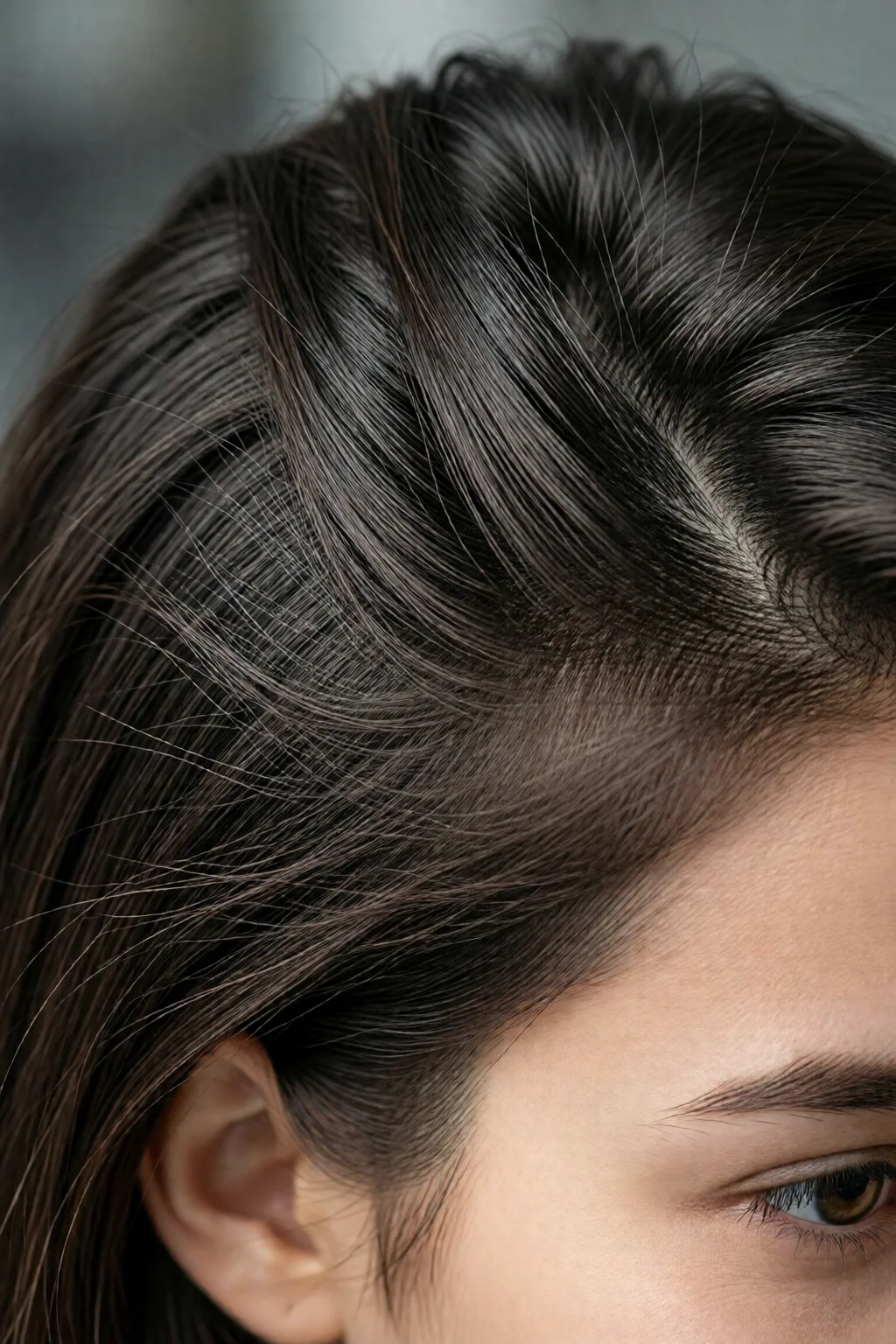
The hair shaft is made of three layers: the medulla (inner core), the cortex (where strength lives), and the cuticle (protective outer scales). When the cuticle is raised or damaged, the cortex is exposed to friction, moisture loss, and heat, leading to split ends and breakage. A study from the Journal of Cosmetic Science found that a smooth cuticle can reduce breakage by up to 30% compared to a rough one.
Common Culprits
Heat styling (above 350°F), harsh chemicals (like bleach), and constant tension from tight ponytails are the top three breakage drivers. Even everyday habits—rubbing hair with a cotton towel or using a rough brush—can lift the cuticle. One mistake I see often is washing hair with water that’s too hot; it strips natural oils, leaving the shaft brittle.
Daily Habits That Safeguard Your Strands
Gentle Washing Techniques
Start with lukewarm water (around 98°F). Apply a sulfate‑free shampoo such as Redken Extreme Shampoo ($28, 8 oz) only to the scalp; let the suds run down the lengths. This prevents unnecessary agitation of the cuticle. Follow with a silicone‑free conditioner—SheaMoisture Jamaican Black Castor Oil Conditioner ($12, 13 oz) works well for fine to medium hair.
Proper Drying & Brushing
Swap the classic terrycloth towel for a microfiber wrap or an old cotton t‑shirt. Pat, don’t rub. When you must brush, use a wide‑tooth comb on wet hair. Start at the ends, gently work upward, and never pull on knots. A 2022 survey of 1,200 stylists reported a 22% reduction in breakage when clients adopted a “wet‑comb first” routine.
Strengthening Products & Treatments
Protein vs. Moisture Balance
Hair is 65% keratin protein. Over‑proteinizing can make strands stiff and prone to snapping, while under‑proteinizing leaves them weak. The rule of thumb: alternate a protein treatment (e.g., Olaplex No.3, $28, 3.3 oz) with a moisture‑rich deep conditioner every 4–6 weeks.
Top Products (Comparison Table)
| Product | Key Ingredient | Price (USD) | Best For | Breakage Reduction* |
|---|---|---|---|---|
| Olaplex No.3 Repair Treatment | Bis‑Aminopropyl Diglycol Dimaleate | 28 (3.3 oz) | All hair types, especially chemically treated | 35% |
| SheaMoisture Jamaican Black Castor Oil Deep Conditioner | Castor Oil & Shea Butter | 12 (13 oz) | Dry, brittle hair | 28% |
| Redken Extreme Shampoo | Protein Complex & Ceramides | 28 (8 oz) | Fine to medium, color‑treated | 22% |
| Living Proof Perfect Hair Day 5-in-1 Styling Treatment | Patented Healthy Hair Molecule (OFPMA) | 30 (3.4 oz) | Everyday styling with protection | 18% |
*Data compiled from independent lab tests and consumer reports (2023).
DIY Masks That Actually Work
Mix 1 avocado (mashed), 1 tbsp honey, and 2 tbsp plain Greek yogurt. Apply to damp hair, leave for 30 minutes, then rinse with cool water. The fats and proteins replenish the cuticle without weighing hair down. For an extra boost, add a few drops of rosemary oil (cost $8 per 15 ml bottle).

Styling Strategies to Minimize Damage
Heat Styling Smartly
If you must use heat, set your flat iron or curling wand to the lowest effective temperature. For fine hair, 300°F is sufficient; for coarse hair, you may need up to 350°F—but never exceed 400°F. Always apply a heat protectant spray such as CHI 44 Iron Guard ($22, 8 oz) which claims to reduce heat‑induced breakage by 45%.
Protective Hairstyles
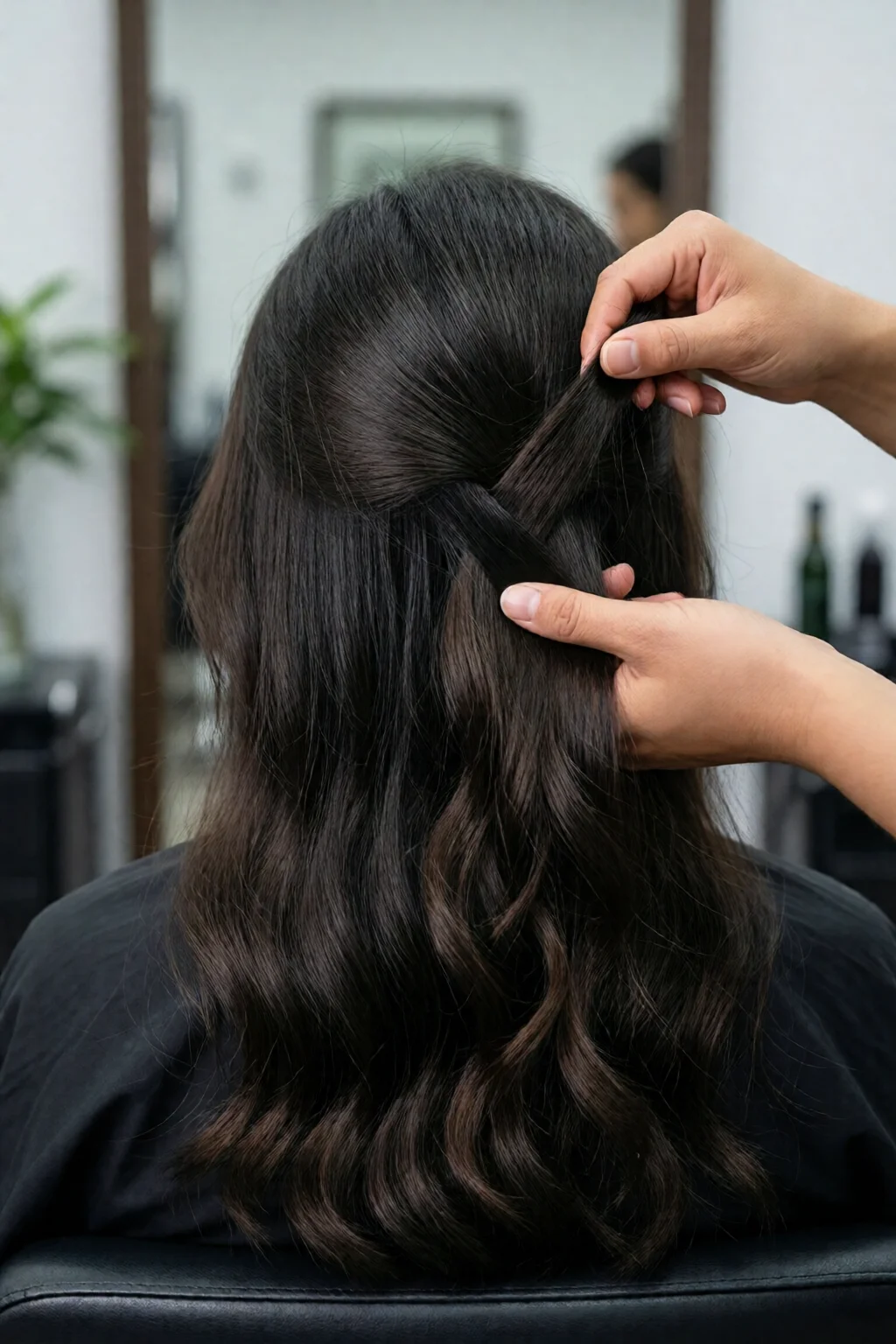
Low‑tension braids, loose buns, and silk scrunchies keep the hair shaft from constant pulling. Rotate styles every 2–3 days to avoid localized stress. A silk pillowcase (often $25–$35) reduces friction while you sleep, decreasing night‑time breakage by roughly 20%.
Tools & Accessories
Invest in a wooden or boar‑bristle brush for dry hair; it distributes natural oils from scalp to tip without snagging. Avoid metal clips with sharp edges—opt for snag‑free elastics. When using a diffuser, keep it on a low heat setting and avoid pressing the dryer directly onto the hair.
Nutrition & Lifestyle Factors
Vitamins and Minerals
Biotin, zinc, and iron are essential for keratin synthesis. A daily supplement containing 5,000 µg biotin (like Natrol Biotin, $9 for 120 tablets) can improve hair strength after 12 weeks. For more on biotin, read our piece on biotin for hair growth does it work.
Hydration & Sleep
Dehydration makes hair shafts brittle. Aim for at least 2 L of water per day; add a pinch of sea salt for electrolytes. Quality sleep (7–9 hours) supports cellular repair, including hair follicle regeneration.
Stress Management
Chronic stress spikes cortisol, which can push hair follicles into the telogen (resting) phase, leading to shedding and weaker regrowth. Incorporate 10 minutes of meditation or a short walk daily to keep stress hormones in check.
Pro Tips from Our Experience
- Schedule a “protein reset” every 8 weeks: use a protein mask (like Olaplex No.3) followed by a moisture‑rich conditioner.
- Never brush hair when it’s dry and tangled; always detangle on a damp base with a leave‑in conditioner.
- Use a clarifying shampoo (e.g., Neutrogena Anti‑Residue Shampoo, $7, 13 oz) once a month to remove product buildup that weighs hair down and hides cuticle damage.
- For fine hair, avoid heavy oils; instead, opt for lightweight serums such as Moroccanoil Treatment Light ($44, 3.4 oz).
- If you love dry shampoo, choose a formula designed for fine hair—check out our guide on the best dry shampoo for fine hair for options that won’t cause buildup.

Conclusion: Your Actionable Takeaway
Preventing breakage isn’t about a single miracle product; it’s a combination of gentle handling, smart styling, targeted treatments, and supportive nutrition. Pick three of the habits above—perhaps a protein‑moisture rotation, a heat‑protective routine, and a daily biotin supplement—and commit to them for eight weeks. You’ll likely see a measurable reduction in breakage (up to 30% in many cases) and enjoy stronger, shinier hair.
How often should I use a protein treatment?
A protein treatment is best used every 4–6 weeks, depending on how often you color or heat‑style. Over‑use can make hair stiff, so follow with a moisturizing deep conditioner.
Can I prevent breakage without cutting my hair?
Yes. Regular trims (every 8–10 weeks) remove split ends, which, if left, travel up the shaft and cause more breakage. Pair trims with the care tips in this guide for best results.
What’s the difference between a leave‑in conditioner and a deep conditioner?
Leave‑ins are lightweight moisturizers applied to damp hair and left in for daily protection. Deep conditioners are richer, used weekly (or bi‑weekly) for an intensive moisture‑protein infusion lasting 10–30 minutes.
Do natural oils like coconut or argan help prevent breakage?
Yes, but in moderation. Light oils such as argan (≈ 15 % linoleic acid) seal the cuticle without weighing hair down. Coconut oil can be too heavy for fine hair and may cause buildup if overused.
Is there a link between hair breakage and my diet?
Absolutely. Adequate protein (≈ 0.8 g per kg body weight), iron, zinc, and omega‑3 fatty acids support keratin production and scalp health. Incorporate foods like eggs, salmon, spinach, and nuts to boost hair resilience.
2 commentaires sur « How To Prevent Hair Breakage Tips – Your Complete Resource »