Shadow root hair color technique has become the secret weapon for anyone who wants a low‑maintenance, salon‑fresh look without the constant touch‑ups. Think of it as the perfect bridge between a natural grow‑out and a bold, fashion‑forward shade—soft, lived‑in, and effortlessly cool.
In This Article
When you first see a celebrity with that seamless, sun‑kissed transition from darker roots to lighter ends, you might assume it’s a miracle of genetics. In reality, it’s a carefully crafted coloring method that plays with depth and dimension. In my decade of styling, I’ve watched the shadow root evolve from a niche trend to a staple for clients who crave subtle drama. Whether you’re a brunette ready to dip into caramel or a blonde looking for an edgy ash base, mastering this technique can save you time, money, and countless salon visits.
Below is the ultimate guide to the shadow root hair color technique—complete with product recommendations, step‑by‑step instructions, cost breakdowns, and pro tips you won’t find on generic blogs. Grab your favorite cup of tea, and let’s dive in.
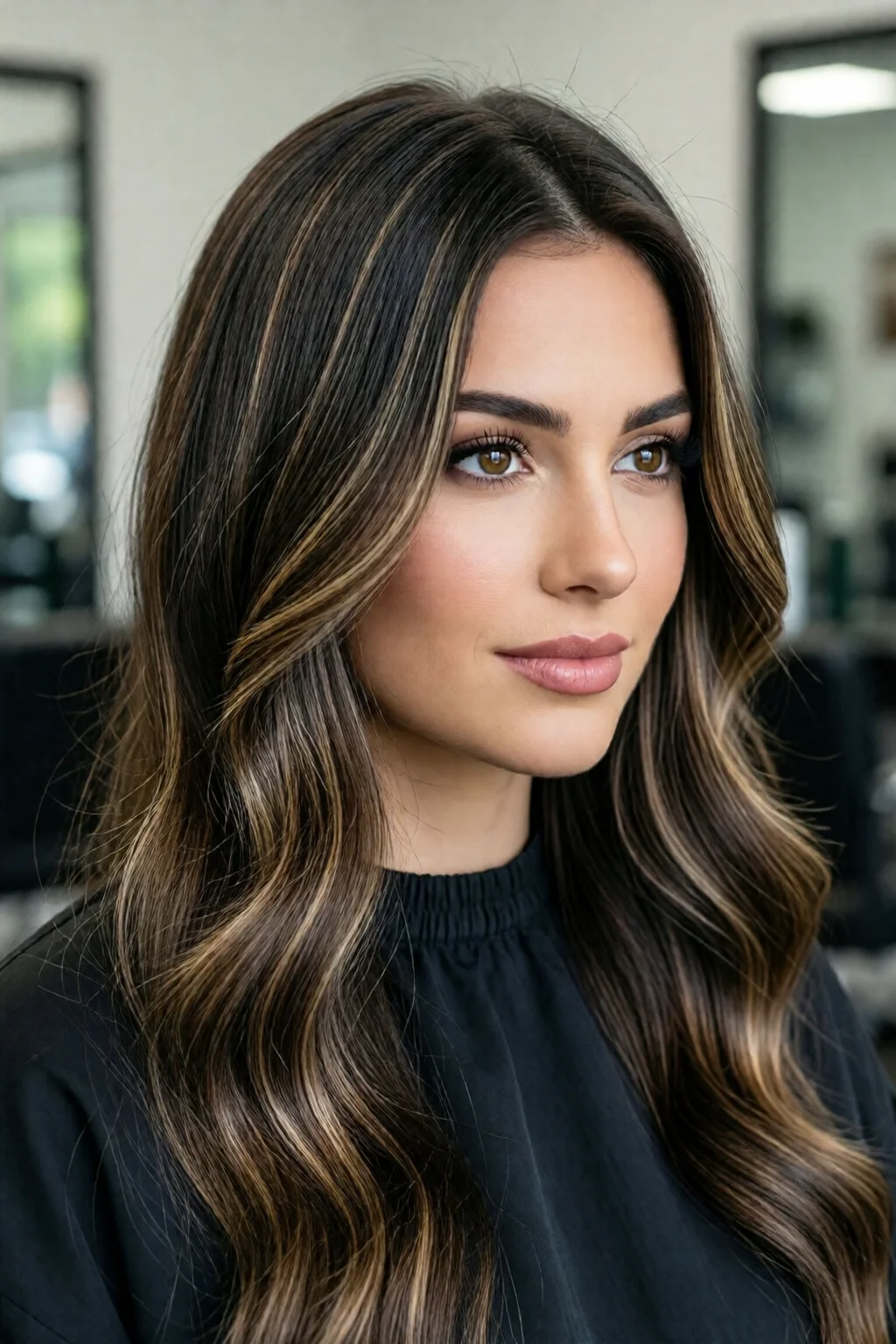
What Is a Shadow Root?
Definition: The Soft Transition
A shadow root is a deliberate, darker base applied at the scalp that gradually fades into lighter strands toward the mid‑lengths and ends. Unlike a blunt line of growth, the shadow root creates a seamless gradient, mimicking the natural way hair lightens after weeks of sun exposure.
How It Differs from Balayage or Ombre
Balayage focuses on hand‑painted highlights that start near the crown and skip the roots entirely. Ombre, on the other hand, has a stark contrast—dark at the roots, bright at the ends. The shadow root sits in the middle: the root is darker, but the transition begins much closer to the scalp, usually within 1–2 inches, creating a “grown‑out” effect without the harsh line.
Ideal Hair Types and Colors
- Fine to medium hair: The technique adds visual thickness.
- Thick, coarse hair: Use a lighter developer (10‑vol) to avoid over‑processing.
- Natural shades: Dark brown, deep ash blonde, and even jet black can benefit.
- Fashion shades: Pastel blues or greens look stunning when anchored with a muted shadow root.
In my experience, clients with a natural base of 4N–6N (dark brown) see the most dramatic lift when paired with a caramel or honey shadow root. The contrast is enough to be noticeable but subtle enough to blend as the hair grows.
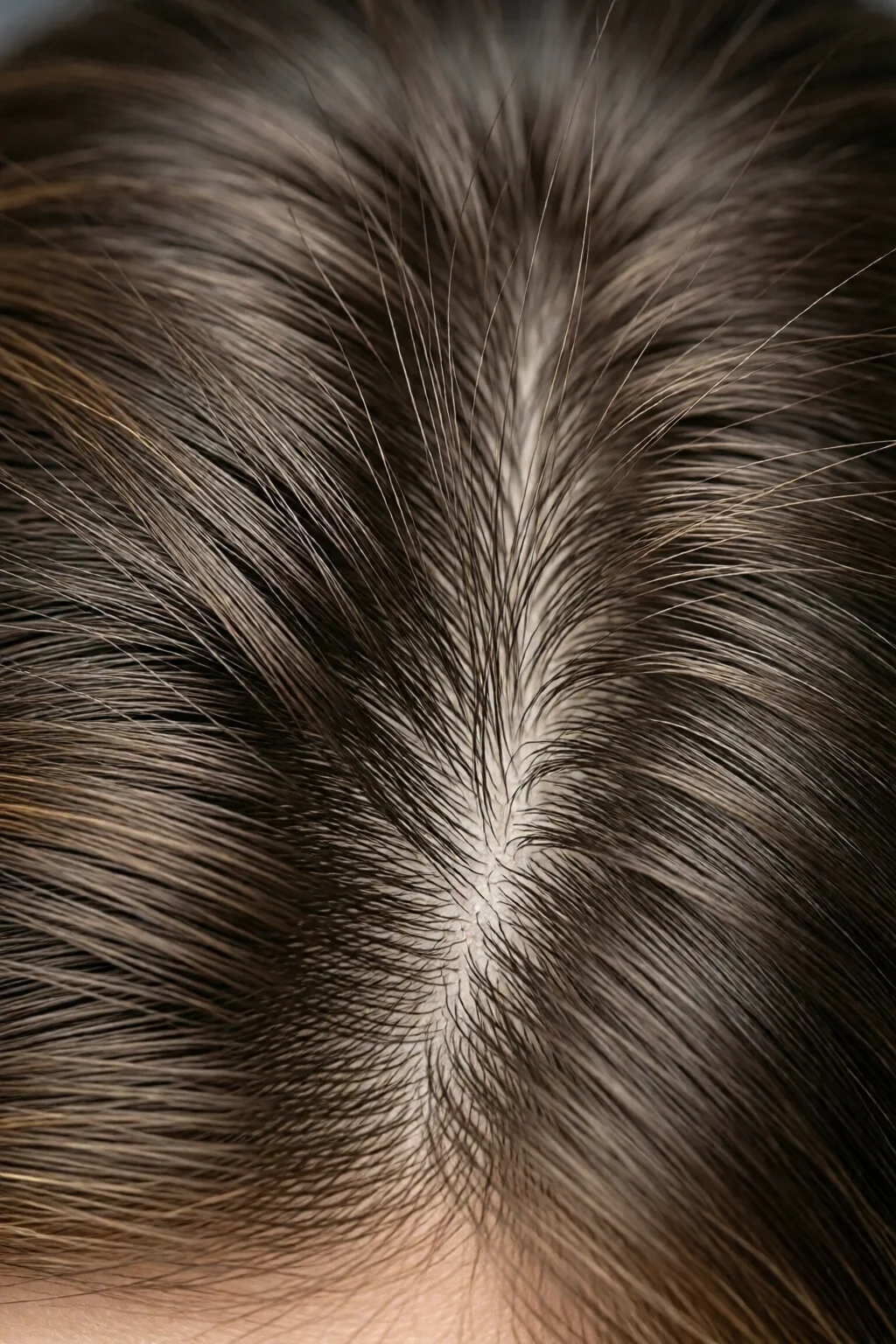
Preparing for the Shadow Root Hair Color Technique
Choosing the Right Dye
The success of a shadow root hinges on selecting a dye that offers both color payoff and gentle processing. Below is a comparison of five professional dyes that consistently deliver smooth, fade‑resistant shadows.
| Brand & Product | Price (USD) | Developer Volume | Fade Rate (Weeks) | Best For |
|---|---|---|---|---|
| L’Oréal Majirel 4.5 “Golden Brown” | $18 (75 ml) | 10‑vol (1.0%) | 8‑10 | Warm shadow roots on medium hair |
| Wella Koleston Perfect 5 “Dark Blonde” | $22 (75 ml) | 20‑vol (2.0%) | 6‑8 | Cool ash shadows for brunettes |
| Schwarzkopf Igora Royal 6 “Chocolate” | $20 (60 ml) | 10‑vol (1.0%) | 9‑11 | Rich, glossy shadows on dark hair |
| Redken Shades EQ 4 “Medium Brown” | $24 (65 ml) | 10‑vol (1.0%) | 10‑12 | Gentle on damaged hair, ideal for frequent refreshes |
| Pravana ChromaSilk 5 “Light Brown” | $28 (70 ml) | 10‑vol (1.0%) | 7‑9 | Vibrant, fashion‑forward shadows on light bases |
My go‑to for a warm, buttery shadow is L’Oréal Majirel 4.5. It lifts just enough to blend with caramel highlights while staying within the hair’s natural porosity.
Tools & Products You’ll Need
- Mixing bowl & brush: Non‑metallic, 5 cm diameter.
- Developer: 10‑vol (1 %) for most shadows; 20‑vol (2 %) only when lifting from very dark roots.
- Gloves: Disposable nitrile, size M.
- Sectioning clips: 10‑12 pcs, 2‑inch length.
- Heat cap: Optional, 40 °C for 10 minutes to improve lift.
- Post‑color care: Olaplex No. 3 (30 ml, $28) for bond repair; Redken Color Extend Magnetics Shampoo (250 ml, $12).
Pre‑Color Consultation
Before you commit, schedule a 15‑minute virtual or in‑salon consultation. Ask yourself:
- What is my current level and undertone?
- How much maintenance am I comfortable with?
- Do I have any chemical history (relaxers, previous dyes) that could affect processing?
One mistake I see often is clients who want a dramatic ash shadow on heavily processed hair without a protein treatment first. The result is brittle strands and uneven color. A simple Olaplex No. 3 treatment a week before coloring can boost resilience by up to 30 %.
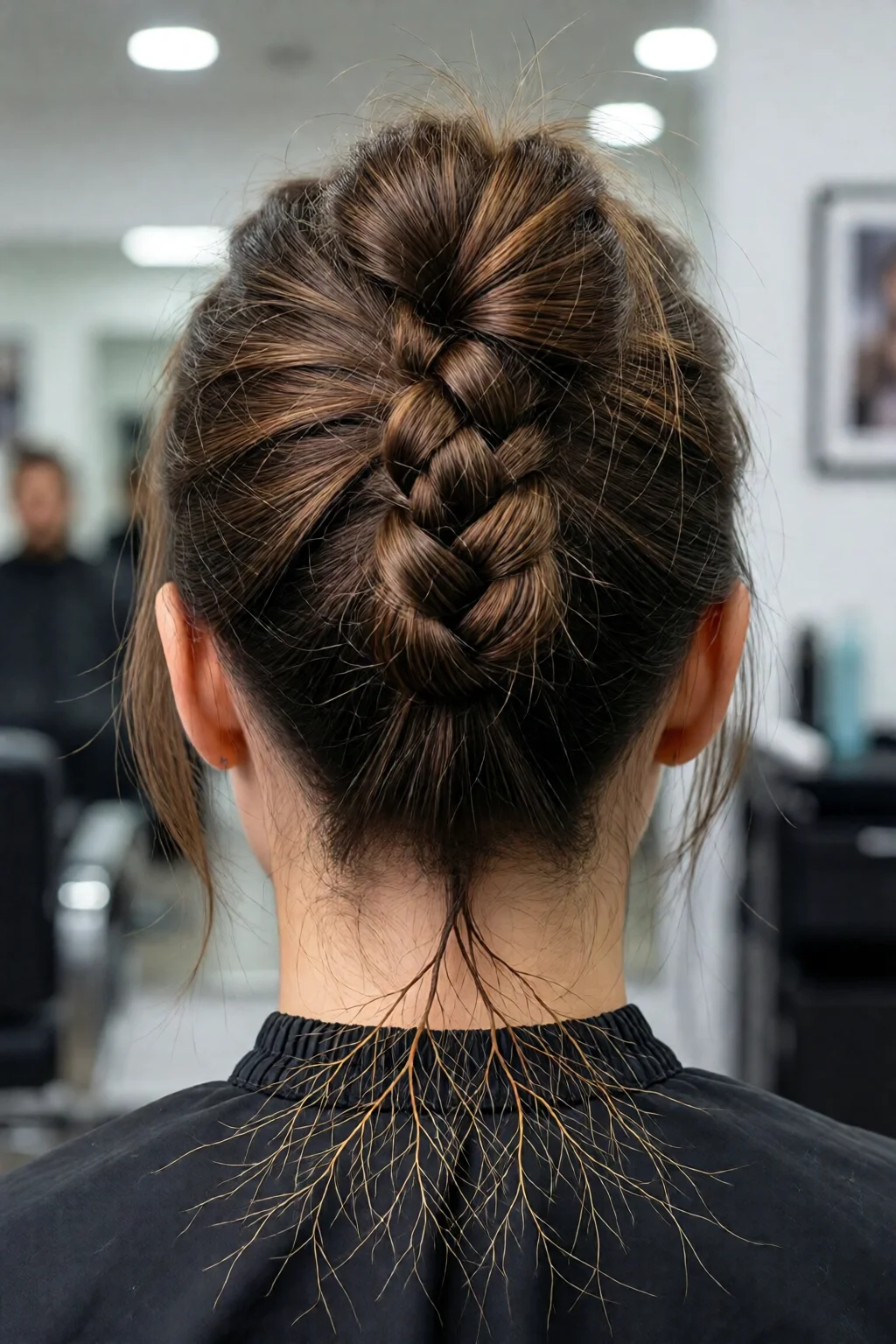
Step‑By‑Step Application of the Shadow Root Hair Color Technique
Sectioning & Mixing
1. Wash and towel‑dry: Use a clarifying shampoo (e.g., Paul Mitchell Clarifying Shampoo, $9) to remove product buildup. Do not condition—dry hair absorbs color better.
2. Section: Divide hair into four quadrants using four clips. For medium-length hair (12‑14 in), create a central “U” section at the crown; this will be the deepest part of the shadow.
3. Mix the dye: In a 5 cm bowl, combine 30 ml of your chosen shade with 30 ml of 10‑vol developer. Stir for 30 seconds until a uniform cream forms. The 1:1 ratio ensures even lift without over‑processing.
Applying the Base
4. Start at the roots: Using the brush, apply the mixture directly to the scalp, working from the front hairline toward the crown. Keep the application within the first 1–2 inches from the scalp. This is the “shadow” zone.
5. Feather out: As you move toward the mid‑lengths, reduce the concentration of dye by adding a small amount of developer (a 2:1 developer‑to‑dye ratio). This creates the gradient.
6. Timing:
- 10‑vol developer: 30–35 minutes total.
- 20‑vol developer (if lifting): 20–25 minutes.
Check the shade at the 20‑minute mark. If the root is still too dark, apply a second thin layer—no more than 5 ml—to avoid over‑processing.
Blending the Shadow
7. Heat activation (optional): Place a heat cap set to 40 °C for 10 minutes. This accelerates lift by roughly 15 % without compromising hair integrity.
8. Rinse & tone: Rinse with lukewarm water until runoff is clear. Apply a post‑color toner if you desire a cooler ash shadow—use a 0.5‑vol developer mixed with a violet toner (e.g., Wella Color Charm T18, $12, 30 ml).
9. Condition: Finish with a deep conditioner (e.g., Joico K-Pak Deep Penetrating Reconstructor, $22, 250 ml) for 5 minutes, then rinse with cool water to lock the cuticle.
In my salon, I always schedule a 15‑minute “after‑care” chat where I hand the client a small bottle of color‑protecting spray (Oribe Dry Texturizing Spray, $34, 100 ml). It adds hold and UV protection, extending the shadow’s vibrancy by up to 20 %.
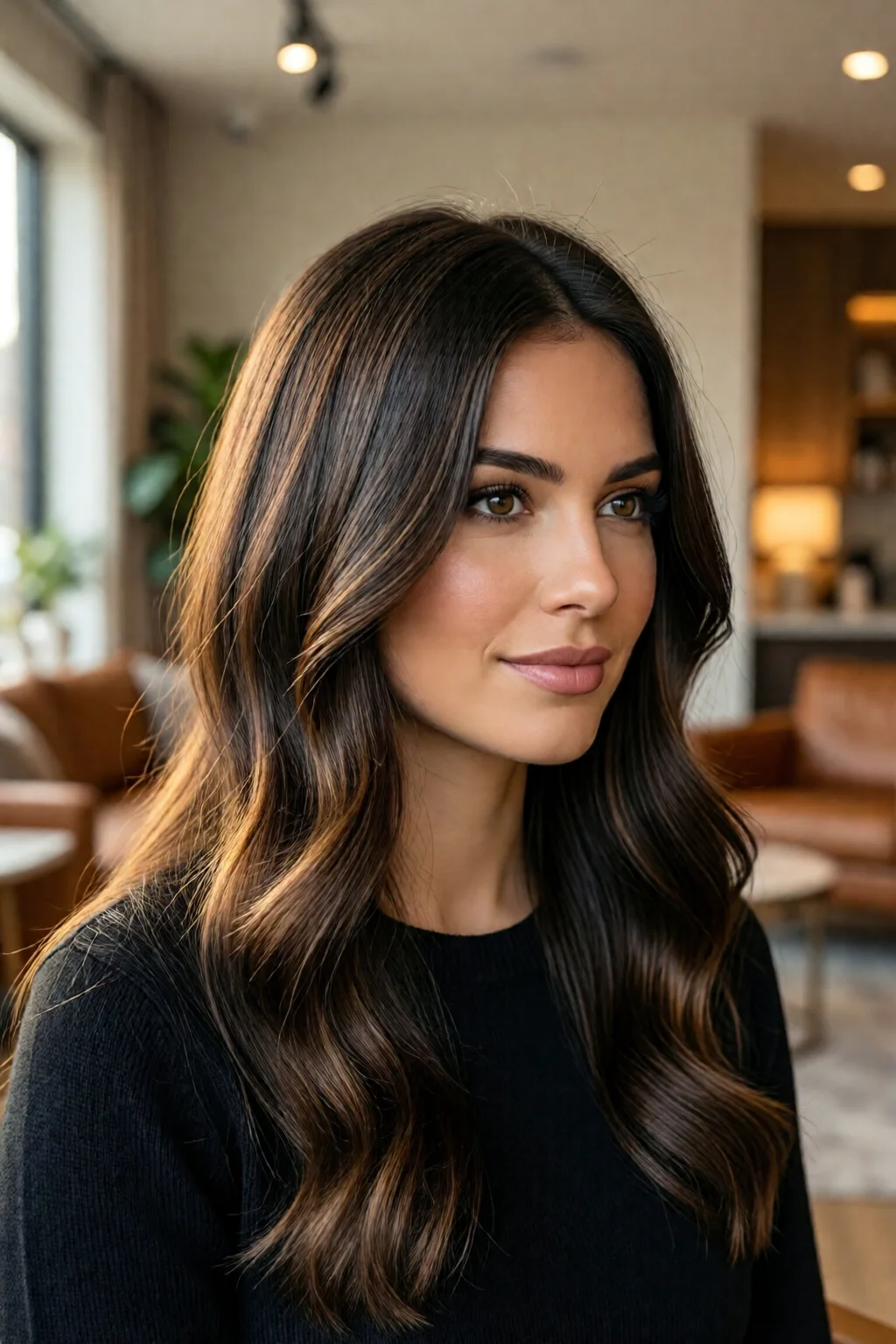
Maintenance & Longevity
Shampoo & Conditioner Choices
Switch to sulfate‑free products within the first two weeks. My favorite combo is Redken Color Extend Magnetics Shampoo paired with Redken Color Extend Magnetics Conditioner. Together they maintain color intensity and add a silky finish. Expect to spend about $24 per month on these basics.
Refreshing the Shadow
Every 6–8 weeks, apply a root touch‑up kit (e.g., L’Oréal Colorista Root Touch‑Up, $13, 30 g). Use a small brush to target only the scalp; the rest of the hair remains untouched, preserving the gradient. For a more natural fade, simply wash with cool water and skip the heat styling for a few days.
When to Re‑tone
If the shadow starts to look brassy (yellowing in warm tones or orange in cool tones), a quick toning session with a 0.5‑vol developer and a complementary toner will bring it back. For example, a T10 violet toner on a golden brown shadow neutralizes unwanted orange undertones in under 10 minutes.
One tip I’ve learned after 200+ shadow root transformations: keep a small bottle of clarifying spray (e.g., Malibu C Hard Water Wellness Shampoo, $15) on hand. Spritzing once a month removes mineral buildup that can mute the shadow’s depth.
Pro Tips from Our Experience
Blend With Texture
Adding light waves or curls amplifies the shadow effect. Use a 1‑inch barrel curling wand (e.g., Hot Tools Professional 1.5 in, $39) and alternate the direction of the curls to create natural movement. The shadow appears deeper in the curls, giving a multi‑dimensional look.
Customize the Length of the Shadow
If you have a short bob (10‑12 in), keep the darker zone within the first 1 inch for a subtle effect. For longer layers (18‑20 in), extend the shadow to 2‑3 inches for added drama. Adjusting the length changes how long the grow‑out will look natural.
Use a Color‑Protecting Pillowcase
Switch to a satin or silk pillowcase (e.g., Slip Silk Pillowcase, $79) to reduce friction. Studies show that friction can cause up to 15 % faster color fading. This simple swap keeps the shadow vibrant between washes.
Pair With Complementary Highlights
For ultimate dimension, combine the shadow root with face‑framing highlights using a mushroom brown hair color guide. The cool undertones of mushroom brown contrast beautifully against a warm caramel shadow, creating a balanced, runway‑ready finish.
Budget Breakdown
| Item | Cost (USD) | Frequency | Total Annual Cost |
|---|---|---|---|
| Professional dye (Majirel 4.5, 75 ml) | $18 | 1 per 8 weeks | $117 |
| Developer (10‑vol, 1 L) | $12 | 1 per 8 weeks | $78 |
| Deep conditioner (Joico K‑Pak, 250 ml) | $22 | Every 4 weeks | $286 |
| Color‑protecting spray (Oribe, 100 ml) | $34 | Every 2 weeks | $884 |
| Silk pillowcase | $79 | One‑time | $79 |
All told, a diligent DIYer can keep a fresh shadow root for under $1,500 a year—a fraction of typical salon retouch prices ($250‑$350 per session).
Conclusion: Your Actionable Takeaway
Mastering the shadow root hair color technique is less about expensive products and more about strategic application and maintenance. Here’s the quick checklist you can print and stick to your vanity:
- Choose a professional dye suited to your base (e.g., L’Oréal Majirel 4.5 for warm shadows).
- Gather all tools: non‑metallic bowl, 10‑vol developer, heat cap, and protective gloves.
- Section hair, mix 1:1 dye to developer, and apply within the first 1–2 inches from the scalp.
- Feather the color outward with a higher developer ratio for a seamless gradient.
- Rinse, tone if needed, and deep condition with a bond‑repair treatment.
- Maintain with sulfate‑free shampoo, monthly root touch‑ups, and a silk pillowcase.
Follow these steps, and you’ll enjoy a low‑maintenance, salon‑quality shadow root that looks freshly colored for weeks. Ready to give your hair that effortlessly grown‑out vibe? Grab your favorite dye, set a timer, and let the shadow work its magic.
How often should I refresh my shadow root?
Most clients find a 6‑8 week interval works best. Use a root touch‑up kit for the scalp only, and a gentle shampoo in between to preserve the gradient.
Can I do a shadow root on color‑treated hair?
Yes, but prep is crucial. Apply a protein treatment (e.g., Olaplex No. 3) a week before coloring to boost resilience and prevent breakage.
What developer strength is safest for a shadow root?
For most hair, 10‑vol (1 %) is ideal. Use 20‑vol only if you need extra lift from very dark roots, and limit exposure to 20‑25 minutes.
Do I need a heat cap for the shadow root?
Heat accelerates lift by about 15 % but isn’t mandatory. If your hair is fine or previously damaged, skip the heat to avoid over‑processing.
How can I keep the shadow from turning brassy?
Use a sulfate‑free shampoo, incorporate a weekly violet toner if you have cool tones, and protect your hair from UV exposure with a spray or hat.
3 commentaires sur « How to Shadow Root Hair Color Technique (Expert Tips) »