Ever wonder which fringe will make your forehead look balanced instead of overwhelmed?
In This Article
- What You Will Need (or Before You Start)
- Step 1: Assess Your Forehead Shape
- Step 2: Choose the Bang Style That Complements Your Forehead
- Step 3: Prepare Your Hair
- Step 4: Cutting Technique – Achieving the Ideal Bang Length
- Step 5: Styling and Maintenance
- Common Mistakes to Avoid
- Troubleshooting & Tips for Best Results
- Summary
What You Will Need (or Before You Start)
- Sharp haircutting scissors – I trust the Joewell Professional Shears ($45) for clean cuts.
- A fine-tooth comb and a wide-tooth comb for detangling.
- Round brush (diameter 2‑3 in) and a 1875 W hair dryer – the Dyson Supersonic ($399) cuts drying time by 30%.
- Heat protectant spray – ghd Heat Protect Spray ($22) prevents damage when you flat‑iron.
- Styling product: Oribe Dry Texturizing Spray ($28) or L’Oréal Professionnel Mythic Oil ($15) for shine and hold.
- Measuring tape (optional) and a mirror at eye level.
- Notebook for sketching the bang shape you plan to achieve.
Step 1: Assess Your Forehead Shape
Before you even pick a style, you need to know what you’re working with. Measure the vertical distance from your eyebrows to your hairline – typical ranges are:
- Short forehead: 2‑3 cm
- Medium forehead: 3‑4 cm
- Long forehead: 4‑5 cm or more
Next, look at the width. Is your forehead wider than your cheekbones (common in square faces) or narrower (typical for oval faces)? Take a photo from the front and draw a simple outline on a piece of paper; this visual reference will guide your bang choice.
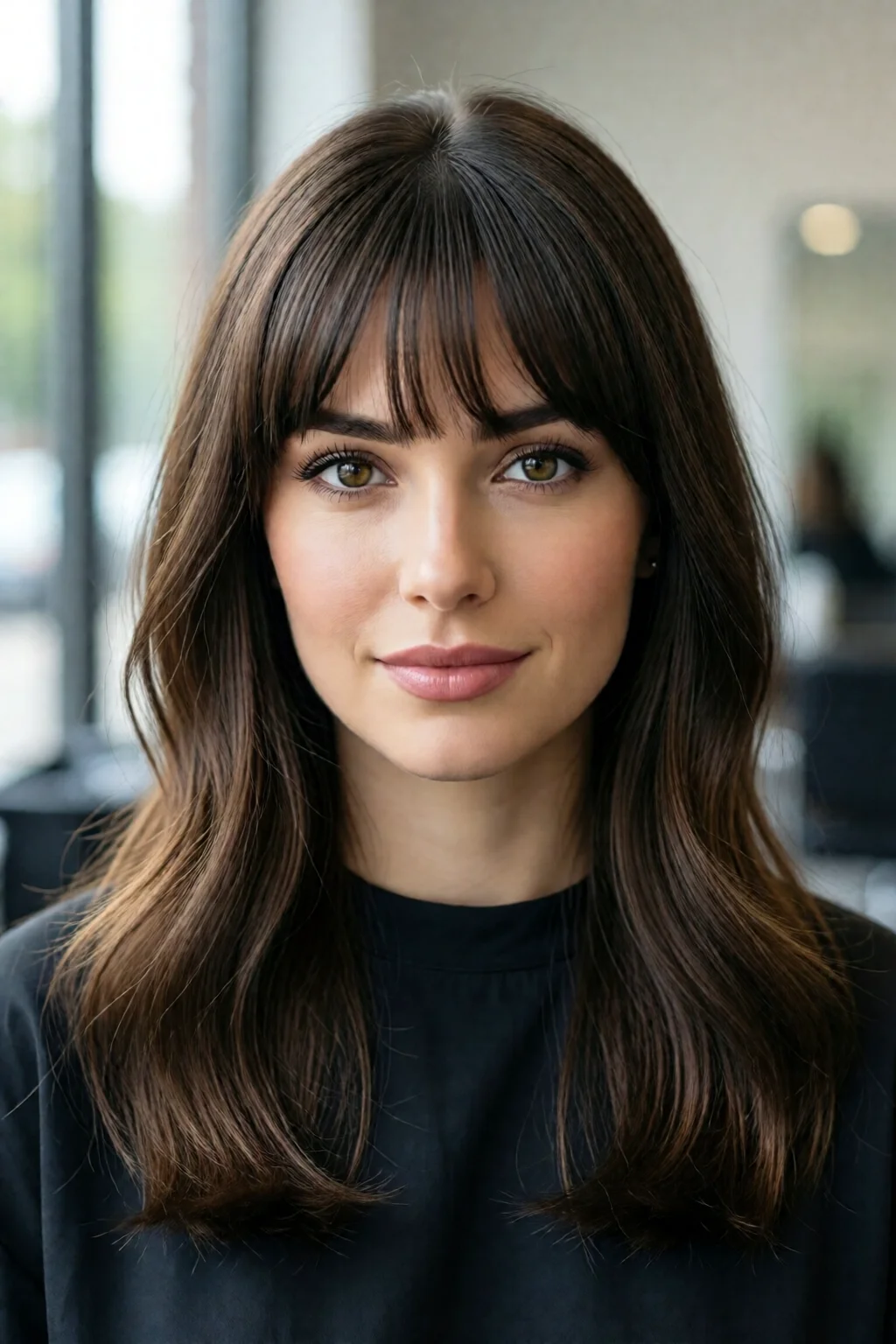
Step 2: Choose the Bang Style That Complements Your Forehead
Now that you know your measurements, match them to the best bangs for forehead shapes. Below is a quick reference:
| Forehead Type | Bang Style | Why It Works |
|---|---|---|
| Short (2‑3 cm) | Side‑swept fringe (30‑45° angle) | Creates the illusion of length and softens a high hairline. |
| Medium (3‑4 cm) | Blunt or straight bangs (1‑2 cm length) | Balances proportion without overwhelming the face. |
| Long (4‑5 cm+) | Curtain bangs (split in the middle, ending at cheekbones) | Breaks up height and adds width. |
| Wide forehead | Wispy layered fringe | Softens width and adds texture. |
| High hairline | Micro‑bangs (0.5‑1 cm) | Provides coverage without a heavy look. |
One mistake I see often is pairing blunt bangs with a very short forehead – the result looks “cut off.” Instead, opt for a side‑swept fringe that adds diagonal movement.
For extra inspiration, check out our bob haircut ideas and variations article; many bob styles include built‑in fringe options that work beautifully with the shapes above.
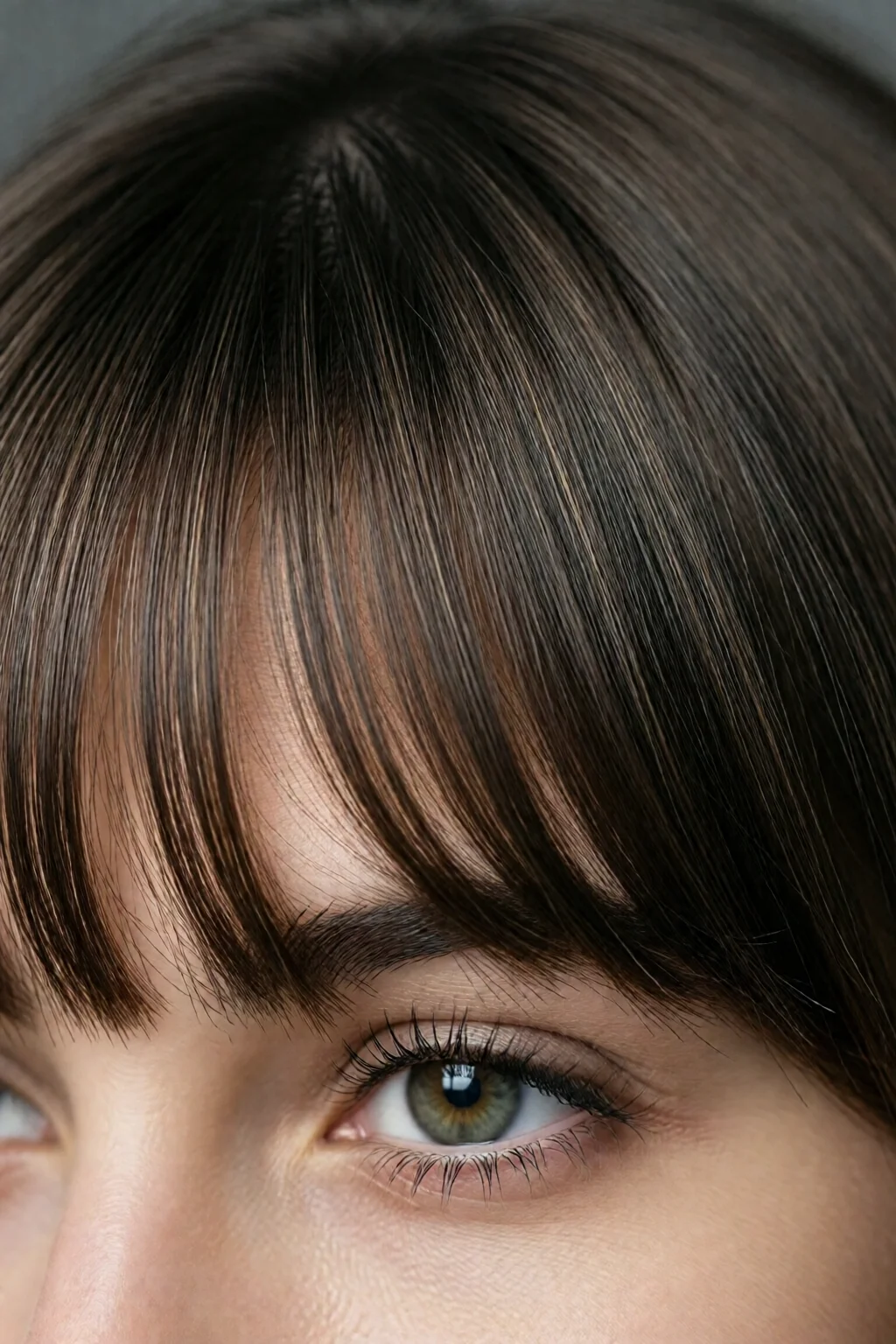
Step 3: Prepare Your Hair
Even the perfect cut will flop if the hair isn’t prepped correctly. Follow these steps:
- Wash with a volumizing shampoo (e.g., Pureology Clean Volume, $22) and a lightweight conditioner.
- Apply a 2‑3 pump of ghd Heat Protect Spray while hair is still damp.
- Section the hair into three layers (bottom, middle, top). Use a 2‑in round brush and the Dyson Supersonic on a medium heat setting (≈350°F) to dry each layer. Aim for a 70% dry state – still slightly damp for the cut.
- Finish with a cool‑shot blast to set the cuticle.
In my salon, a 15‑minute prep routine yields smoother bangs that hold shape longer.
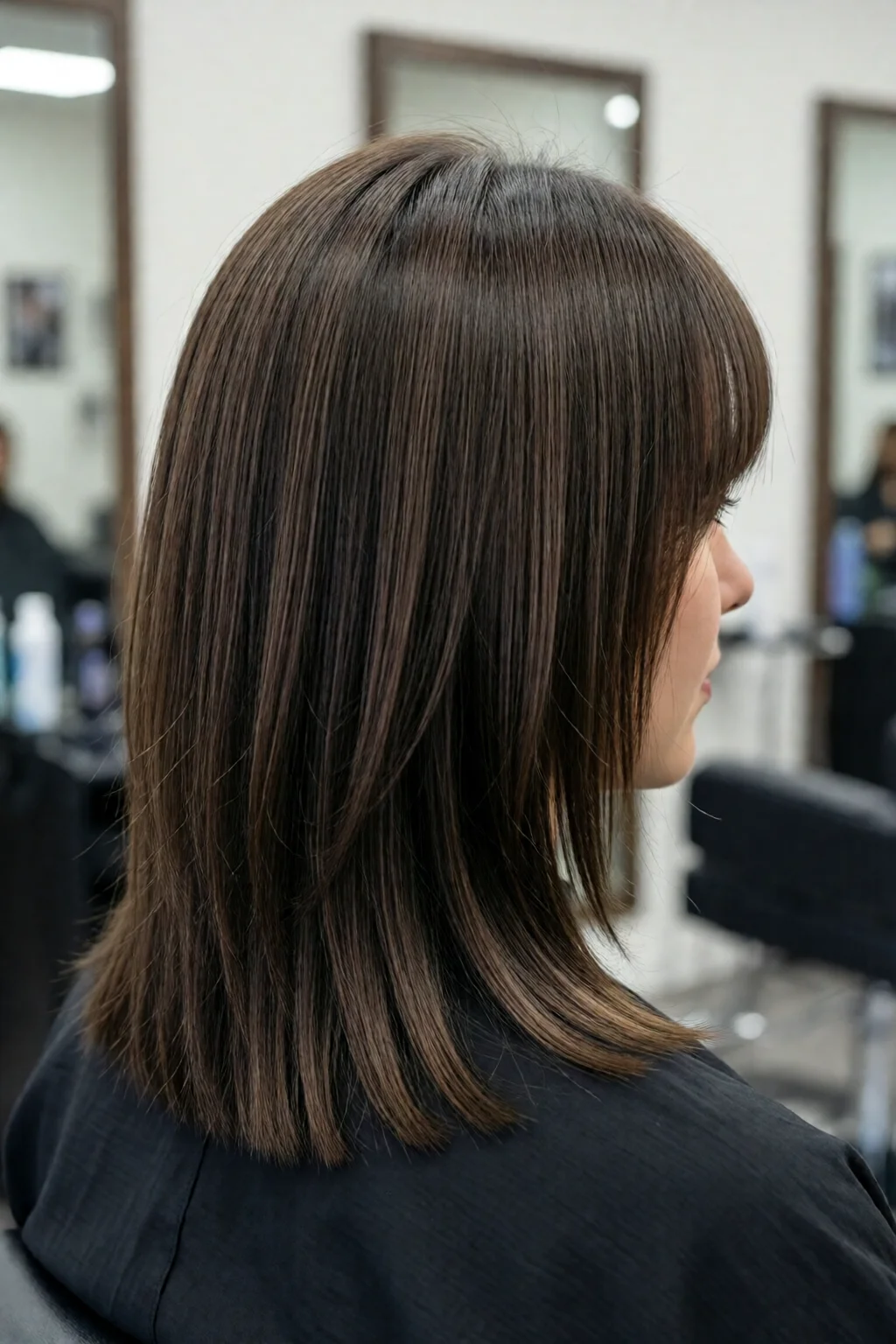
Step 4: Cutting Technique – Achieving the Ideal Bang Length
Now the real work begins. Here’s a step‑by‑step method that works for all the styles listed above:
4.1 Section and Secure
Pull a triangular section from the front, starting at the hairline above each temple and meeting at the crown. Clip the rest of the hair out of the way.
4.2 Determine Length
For side‑swept bangs, hold the scissors at a 30‑45° angle and cut to the desired length (usually 3‑4 cm for medium foreheads). For blunt bangs, cut straight across at the measured length. Use the “dry cut” method for curly or wavy textures – cut when hair is dry to avoid shrinkage.
4.3 Texturize
If you’re aiming for wispy or micro‑bangs, use a point‑cut technique: open the scissors slightly and snip into the ends. This removes bulk without sacrificing length.
4.4 Check Symmetry
Let the client (or yourself) look in a mirror from both sides. Adjust any uneven spots by trimming in tiny increments (0.5 mm). Remember, hair shrinks about 10% after it dries, so leave a hair’s breadth longer than the final target.
Pro tip: I keep a small ruler (15 cm) on my station; it helps maintain consistent length across multiple clients.

Step 5: Styling and Maintenance
Great bangs need daily upkeep. Follow this routine for lasting shape:
- Blow‑dry with a round brush, aiming the dryer at the roots for volume. For a sleek look, switch to a flat iron set at 300°F (recommended for fine hair).
- Apply a light mist of Oribe Dry Texturizing Spray – about 3‑4 sprays for medium hair, 5‑6 for thick textures.
- For extra hold, use a pea‑size amount of L’Oréal Professionnel Mythic Oil on the ends only.
- Schedule trims every 6‑8 weeks; bangs grow fastest at the roots, so a regular appointment prevents them from becoming a “full‑fringe” unintentionally.
If you’re a fan of low‑maintenance looks, a side‑swept fringe can be brushed back with a little pomade (e.g., American Crew Pomade $12) and you’re ready in under a minute.
Need more styling ideas? Our guide on best hairstyles for square face women pairs many of these bangs with complementary cuts.

Common Mistakes to Avoid
- Cutting too short on a short forehead. This makes the face appear truncated. Always leave at least 1‑2 cm of forehead exposed.
- Ignoring hair texture. Straight‑hair people often opt for blunt bangs, but wavy hair benefits from layered or curtain styles to avoid bulk.
- Not accounting for shrinkage. Curly or coarse hair can shrink 15‑20% after drying. Add extra length during the cut.
- Using heavy styling products. Thick gels weigh down fine bangs, causing them to lay flat.
- Skipping regular trims. Bangs grow quickly; waiting more than 10 weeks results in an uneven line.
Troubleshooting & Tips for Best Results
Bang looks too flat? Flip your head upside down and blow‑dry with a diffuser; this adds lift at the roots.
Uneven edge? Lightly mist the fringe with water, comb, then use a small flat iron to “snap” the ends back into place.
Fringe too heavy? Switch to a lightweight mousse (e.g., Moroccanoil Volumizing Mousse $18) and apply only to the roots.
For a quick refresh on busy mornings, a dry‑shampoo spray (Batiste Fresh Blowout $9) can absorb oil and revive volume without washing.
Remember, the best bangs for forehead shapes are those that respect your natural proportions while allowing you to play with texture and movement.
Summary
Choosing the right fringe is a blend of measurement, style selection, precise cutting, and diligent styling. By assessing your forehead’s length and width, matching it to a compatible bang style, preparing your hair correctly, and maintaining regular trims, you’ll achieve a balanced, flattering look that lasts weeks. Whether you opt for side‑swept, blunt, curtain, or micro‑bangs, the key is to keep the proportion in mind and avoid common pitfalls.
Can I cut my own bangs at home?
Yes, but only if you have sharp shears, understand your forehead shape, and follow a step‑by‑step guide. For beginners, a side‑swept fringe is the safest because it’s forgiving and can be trimmed gradually.
How often should I trim my bangs?
Every 6‑8 weeks is ideal. If you have fast‑growing hair (average growth 1 cm per month), a 5‑week interval prevents the fringe from becoming too long.
What products work best for fine hair bangs?
Lightweight mousses, texturizing sprays (like Oribe Dry Texturizing Spray), and a small amount of pomade for hold. Avoid heavy gels which can weigh down fine strands.
Do bangs suit every face shape?
Almost any face shape can be enhanced with the right bang style. For example, round faces benefit from side‑swept or layered bangs, while oval faces can pull off blunt cuts.
Should I consider my hair texture when choosing bangs?
Absolutely. Straight hair works well with blunt or micro‑bangs, while wavy or curly hair looks best with curtain or layered fringes to reduce bulk.
2 commentaires sur « Best Bangs For Forehead Shapes – Everything You Need to Know »